Microsoft Just Added AV1 GPU Encoding to Mesa via DX12 — and It's Built for WSL
Microsoft has been steadily deepening its investment in the Mesa graphics driver stack, and the latest patch — merged into Mesa 26.2 overnight — is one of the most technically interesting yet.
Phoronix spotted the commit: a Microsoft engineer contributed roughly 900 lines of code that add a prototype implementation of GPU-accelerated AV1 video encoding to Mesa, powered by DirectX 12 and Windows Media Foundation’s Hardware Media Foundation Transform (HMFT). The feature is still labeled experimental — it currently supports I-frame and P-frame encoding, with advanced encoding features still on the way — but the architecture is what makes it worth paying attention to.
Here’s the clever part. Instead of building a separate video encoding path for Linux, Microsoft hooked into its existing Windows multimedia pipeline. The HMFT layer handles the GPU vendor abstraction, so the same code works across different GPUs from different hardware vendors — as long as they support AV1 hardware encoding through Windows drivers.
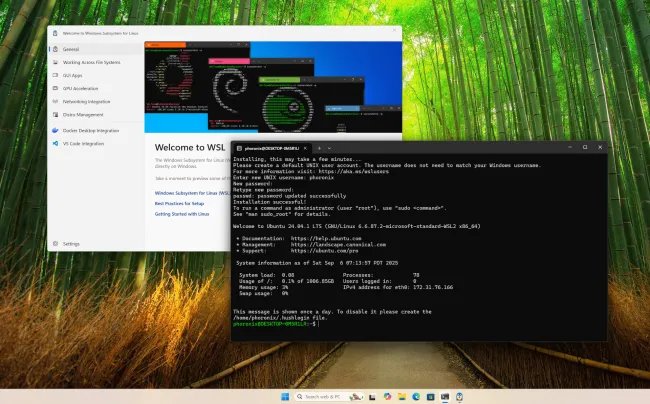
The primary target is obvious: Windows Subsystem for Linux (WSL). By making the Linux graphics stack capable of calling into Windows’ underlying multimedia framework, developers running Linux workloads inside WSL can now tap into hardware AV1 encoding without dual-booting or running a separate Linux machine. It’s a pragmatic, layered approach that leans on existing infrastructure rather than reinventing the wheel inside Mesa itself.
The code has already been merged upstream and will ship as part of Mesa 26.2. Developers curious about the implementation details can dig into the merge request on the Mesa project’s GitLab.
This isn’t Microsoft’s first Mesa contribution — the company has already contributed over 60,000 lines of code to the project, including a new Gallium3D frontend. But the AV1 encoding prototype is a particularly clear signal of where Microsoft is heading: making WSL a first-class development environment that doesn’t ask Linux users to give up hardware acceleration.