Microsoft tells sales team to trash-talk OpenAI, Google, and Anthropic in AI pitches
Microsoft held an internal strategy meeting on Tuesday at the start of its new fiscal year, and the message to the sales team was blunt: when pitching Microsoft’s AI products, don’t just sell the features — point out what the competition gets wrong.
The company is shifting its sales playbook to a more aggressive posture, according to a Bloomberg report. Salespeople are now expected to highlight the specific weaknesses of OpenAI, Google, and Anthropic products, with a particular focus on cost efficiency and runtime performance advantages of Microsoft’s in-house models.
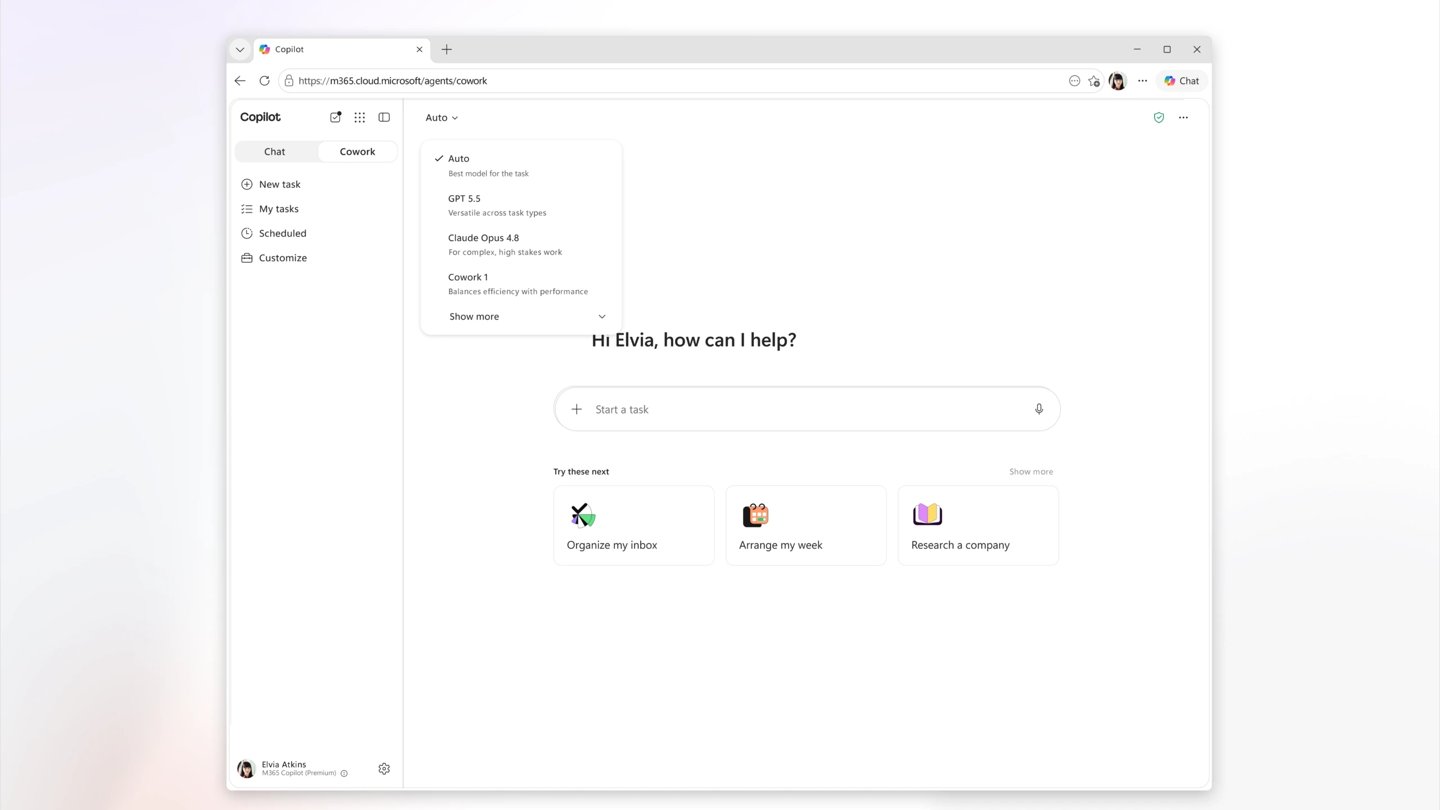
Jay Parikh, Microsoft’s executive vice president, told the assembled sales force that competitors are selling scattered components while Microsoft offers a complete end-to-end system. “By fiscal 2027, everyone needs to make the full-system story clear to the market,” he said.
Jacob Andreou, another Microsoft EVP, went a step further. In a presentation directly comparing Copilot with Anthropic’s Claude, Andreou argued that Claude runs slower inside Microsoft’s productivity apps, produces less accurate results, and lacks the security integrations that enterprise customers require.
Aggressive sales training is nothing new in enterprise tech. What makes this notable is who Microsoft is now targeting. OpenAI and Anthropic were once close partners — Microsoft has long relied on their models to power its own products. That relationship is fraying.
Earlier this month, IT-NEWS reported that Microsoft was quietly removing OpenAI and Anthropic models from flagship applications like Word and Excel, replacing them with its own in-house models. The stated reason: cost reduction.
The shift has been building for months. Microsoft and OpenAI struck a now-famous deal years ago where Microsoft provided funding and compute infrastructure in exchange for exclusive API access. But in April, the two companies rewrote that agreement, scrapping the exclusivity clause. OpenAI can now sell its models directly to Microsoft’s competitors — and it does.
Microsoft’s sales team now has to sell against a product the company itself helped build. The new playbook suggests they’re ready to do exactly that.