MiniMax Is Building a 2.7 Trillion Parameter AI Model
Chinese AI startup MiniMax is building a 2.7 trillion parameter model internally called M3 Pro, and it could ship as soon as this fall. The Information first reported the news.
The model is the follow-up to MiniMax M3, a 428-billion-parameter flagship that the company open-sourced on June 15. M3 Pro’s parameter count represents roughly a 6x jump — a scale that puts it in conversation with the largest AI models ever disclosed. For context, GPT-4 is reported to have around 1.7 trillion parameters under some configurations.
Sources told The Information that MiniMax plans to release and open-source M3 Pro as early as the third quarter of this year. The emphasis on open source matters: if the timeline holds, M3 Pro would be one of the largest openly available AI models on the market, giving developers and researchers access to capabilities that until recently were locked inside the walls of the biggest US labs.
MiniMax describes M3 Pro as being built specifically for complex reasoning and multi-step tasks. The company’s earlier model, M3, already showed strong results in coding and agent evaluation benchmarks, claiming “industry-leading” performance in tool calling, task decomposition, and multi-step inference. The company said the code M3 produces is meant to be shippable — not something that works in a demo but breaks in production.
Founded in early 2022, MiniMax operates out of Shanghai under the corporate name Xiyu Technology. The company says it has accumulated over 300 million individual users across more than 200 countries, as well as over 1 million enterprise customers and developers in over 100 countries. Its product portfolio spans multimodal models and native AI applications, including the popular chatbot Glow.
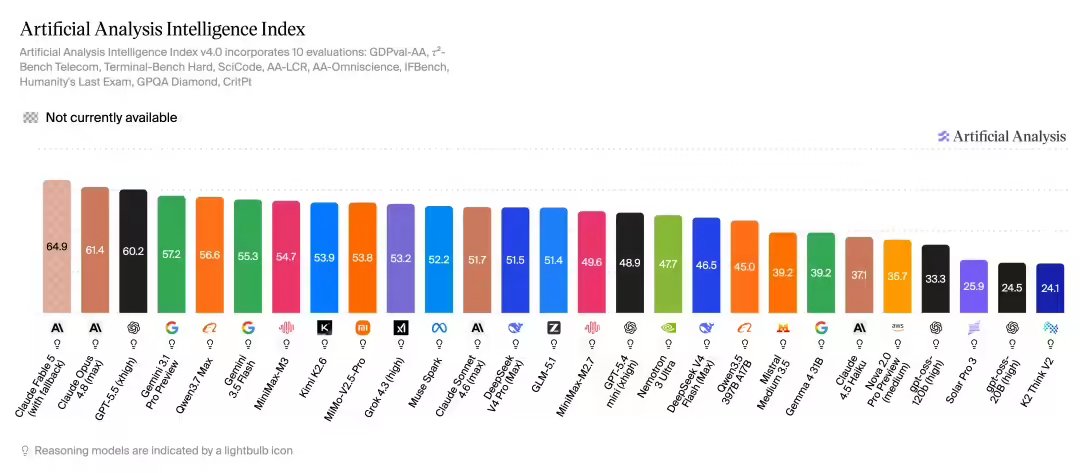
The jump from 428 billion to 2.7 trillion parameters reflects a broader arms race in China’s AI sector. As US export controls tighten access to advanced chips, Chinese labs have been forced to innovate on training efficiency and data quality rather than simply scaling GPU counts. MiniMax’s decision to open-source its largest model, rather than gate it behind an API, also suggests a strategy of building ecosystem share against well-funded rivals like Baidu and Alibaba.
The company’s M3 was notable for being the first Chinese foundation model to claim three capabilities simultaneously: million-token context windows, native multimodality, and open-source licensing. M3 Pro appears to be a bet that pushing parameter scale even further, without sacrificing accessibility, is the fastest path to wide developer adoption.
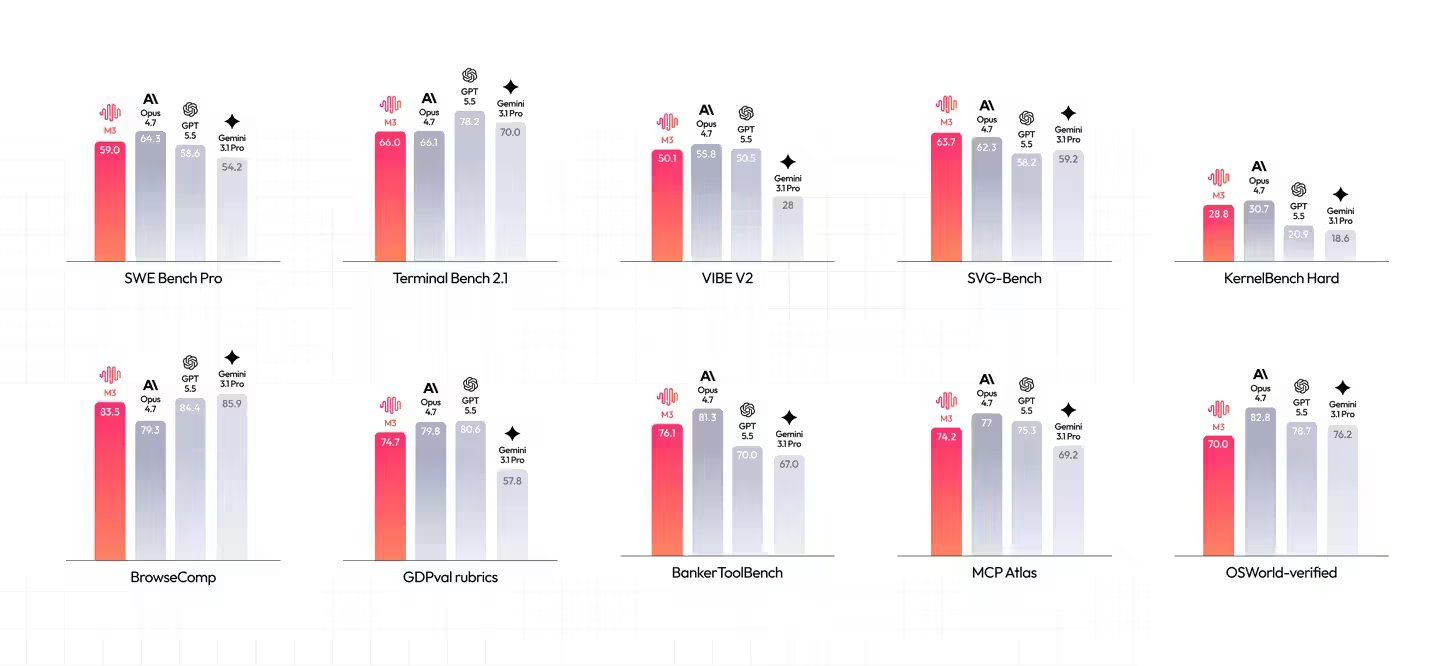
If M3 Pro ships in Q3 as expected, the open-source AI landscape will look very different by the end of the year. A 2.7 trillion parameter model that anyone can download and fine-tune would reset expectations for what open-source can do — and force the closed-source players to answer a harder question about what their API walls are really protecting.