Baidu's robotaxis are heading to Kazakhstan
There’s a quiet scramble underway to put autonomous vehicles on roads where no one’s driven them before. Baidu just claimed a first: Central Asia.
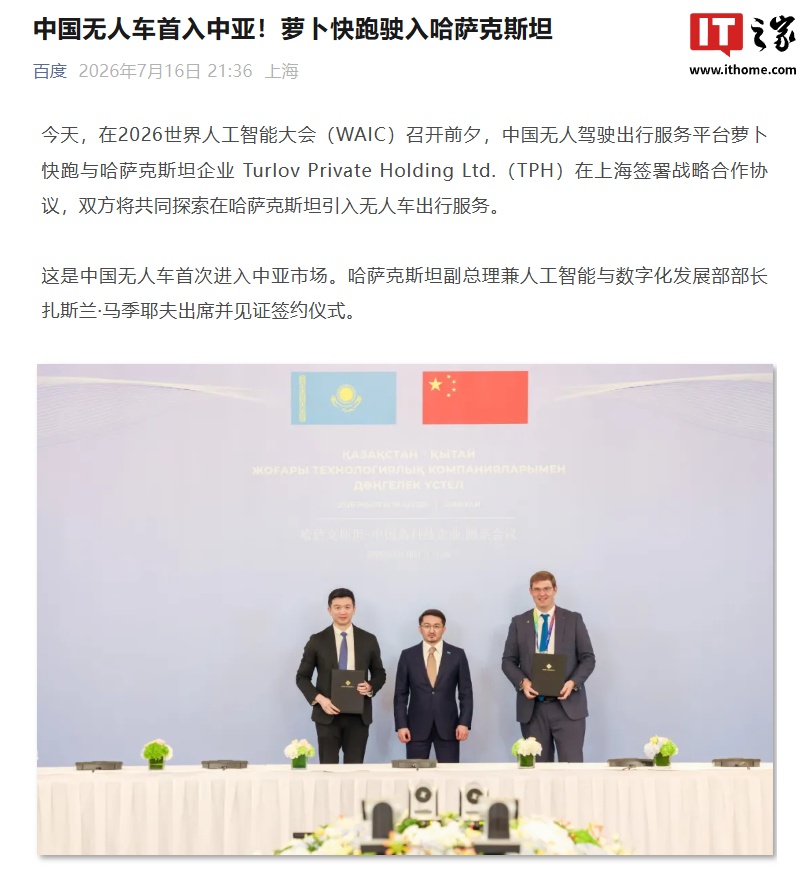
At the World Artificial Intelligence Conference in Shanghai on Thursday, the company’s robotaxi service — Luobo Kuaipao, also called Apollo Go — signed a strategic partnership with Kazakh mobility firm Turlov Private Holding Ltd. It’s the first time Chinese self-driving cars will operate commercially in the region.
Baidu has been building global reach quietly. As of May, its robotaxis run in 27 cities worldwide, from Dubai to Abu Dhabi to Switzerland. The fleet has logged over 22 million rides.
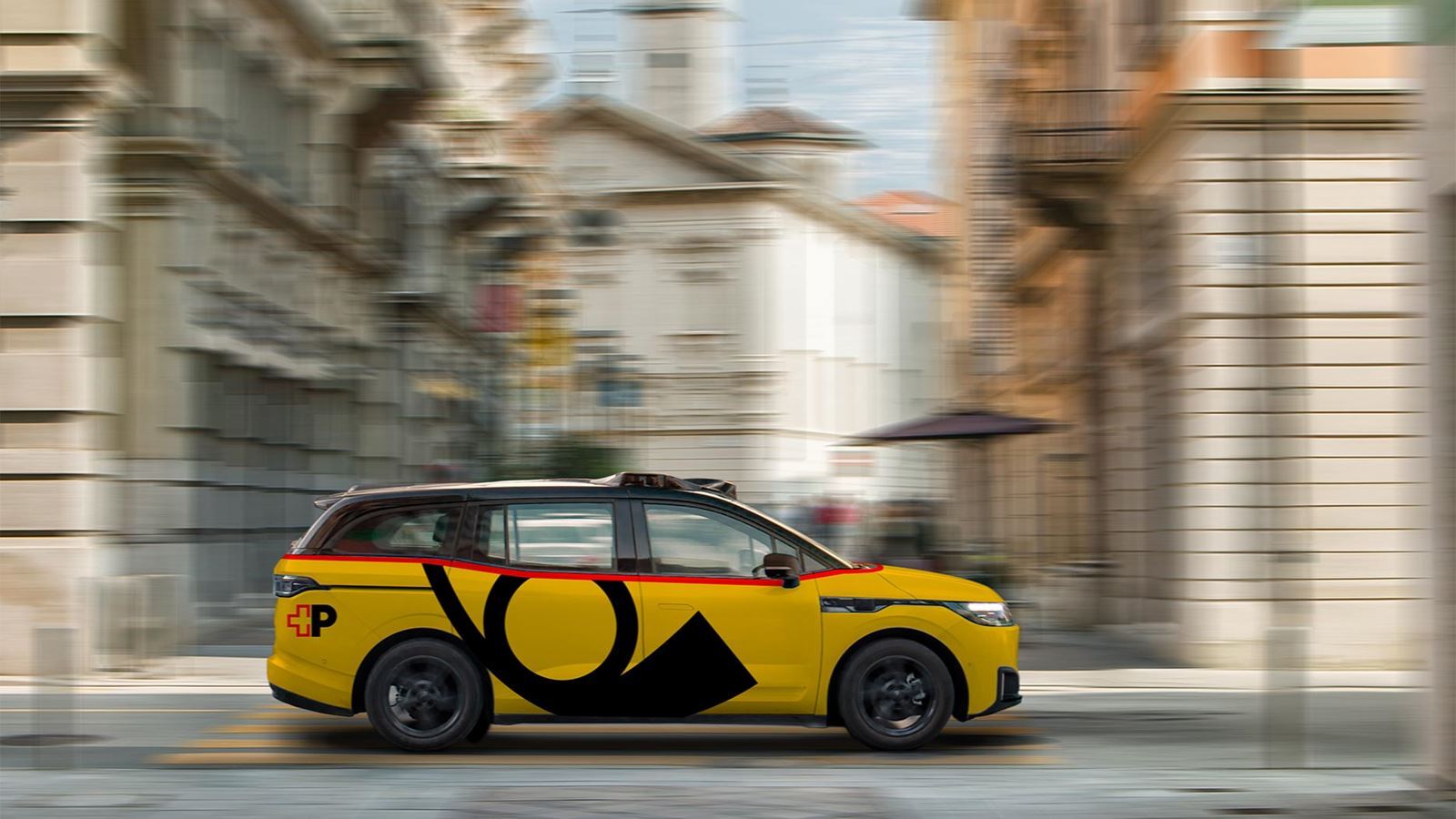
Switzerland came online just last month. Luobo Kuaipao received an L4 autonomous driving permit covering 80 square kilometers across three eastern cantons — St. Gallen, Appenzell Innerrhoden, and Appenzell Ausserrhoden. Test drives began June 1.
The vehicles are Baidu’s sixth-generation Apollo RT6, an all-electric model that seats three. It was first shown in 2022.
Kazakhstan fits into a bigger pattern. In July 2025, Baidu partnered with Uber to deploy robotaxis across Asia and the Middle East. Earlier that year, it signed with Dubai’s Roads and Transport Authority to place over 1,000 driverless cars in the city. In Abu Dhabi, it’s working with Autogo to build what could be the region’s largest robotaxi fleet.
For computing power, Baidu turned to Black Sesame Technologies. The chipmaker signed on in January 2026 to supply hardware for the robotaxi program’s R&D.