BYD and Masdar Sign the World's Largest Single Energy Storage Deal — 11.275 GWh for a UAE Solar Megaproject
BYD Energy Storage just landed one of the largest battery storage contracts on record. The company signed a deal Thursday with UAE energy giant Masdar to supply 11.275 GWh of storage systems for the "Round the Clock" solar project in Abu Dhabi — the world's first GW-scale renewable energy facility designed to run 24 hours a day.
The RTC project, located in the Abu Dhabi desert, pairs a 5.2 GW solar photovoltaic plant with a 19 GWh battery energy storage system spread across 90 square kilometers. First disclosed in January 2025 and officially broken ground in October of the same year, the facility is designed to deliver 1 GW of continuous baseload clean electricity. Commercial operation is expected in 2027.
Developed by Masdar in partnership with the Emirates Water and Electricity Company (EWEC), the project had originally listed CATL as the preferred battery supplier in early 2025. The final allocation shifted. BYD secured 11.275 GWh of the storage contract, while Chinese rival Sungrow Power Supply signed an agreement in May 2026 for the remaining 7.5 GWh of storage and 2.6 GW of PV inverters. Between the two Chinese companies, the full 19 GWh of storage capacity is now spoken for.
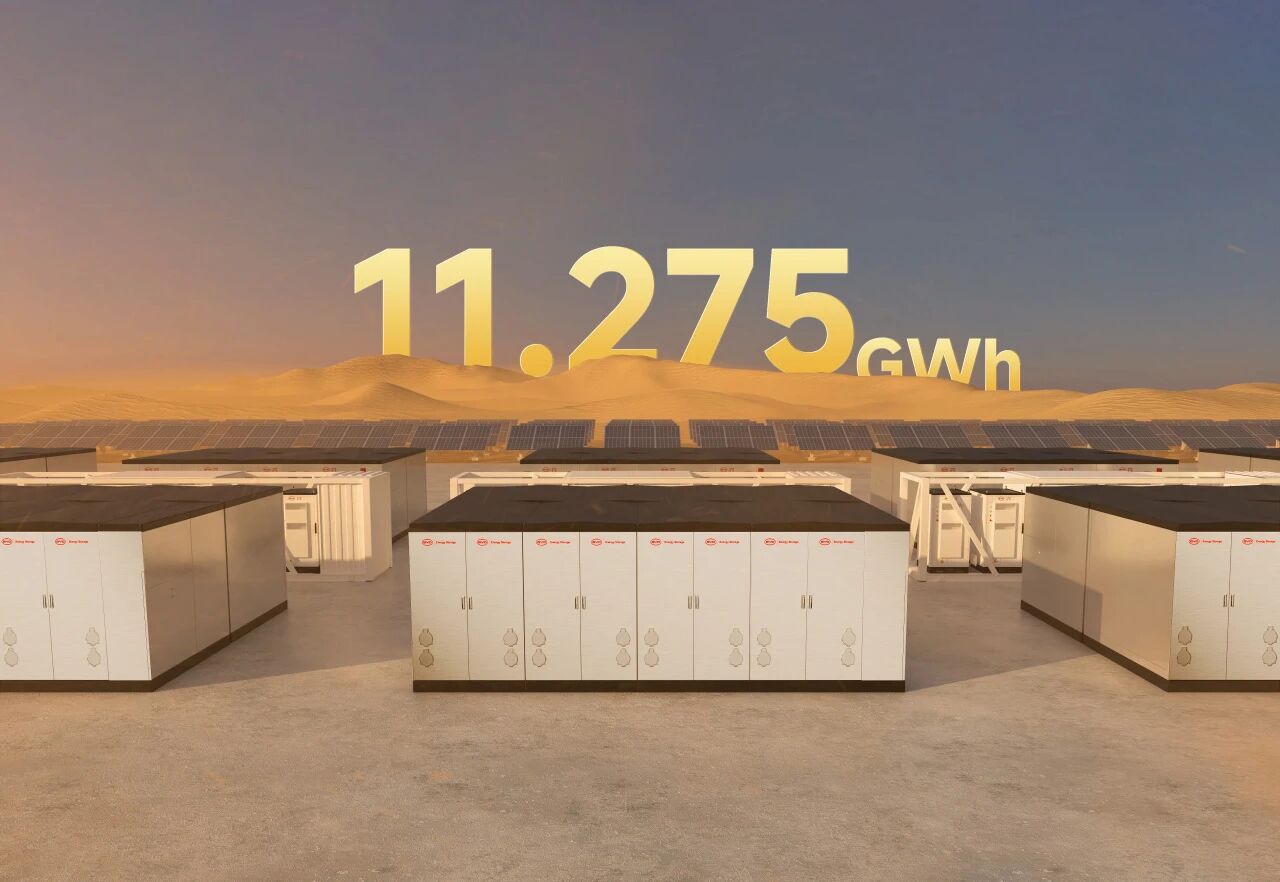
This is BYD's second massive energy storage win in the Middle East in quick succession. Earlier this year, the company landed a 12.5 GWh contract in Saudi Arabia — previously the world's largest grid-side energy storage project. The back-to-back deals put BYD in a commanding position in the utility-scale battery storage market, a segment that barely existed five years ago.
For the Abu Dhabi project, BYD is deploying its "Haohan" (浩瀚) energy storage system. The system is built around the company's proprietary 2,710 Ah blade battery cell — the largest in the industry, with more than three times the capacity of conventional energy storage cells. Fewer, larger cells reduce wiring and slash battery management system complexity by 70 to 80 percent.
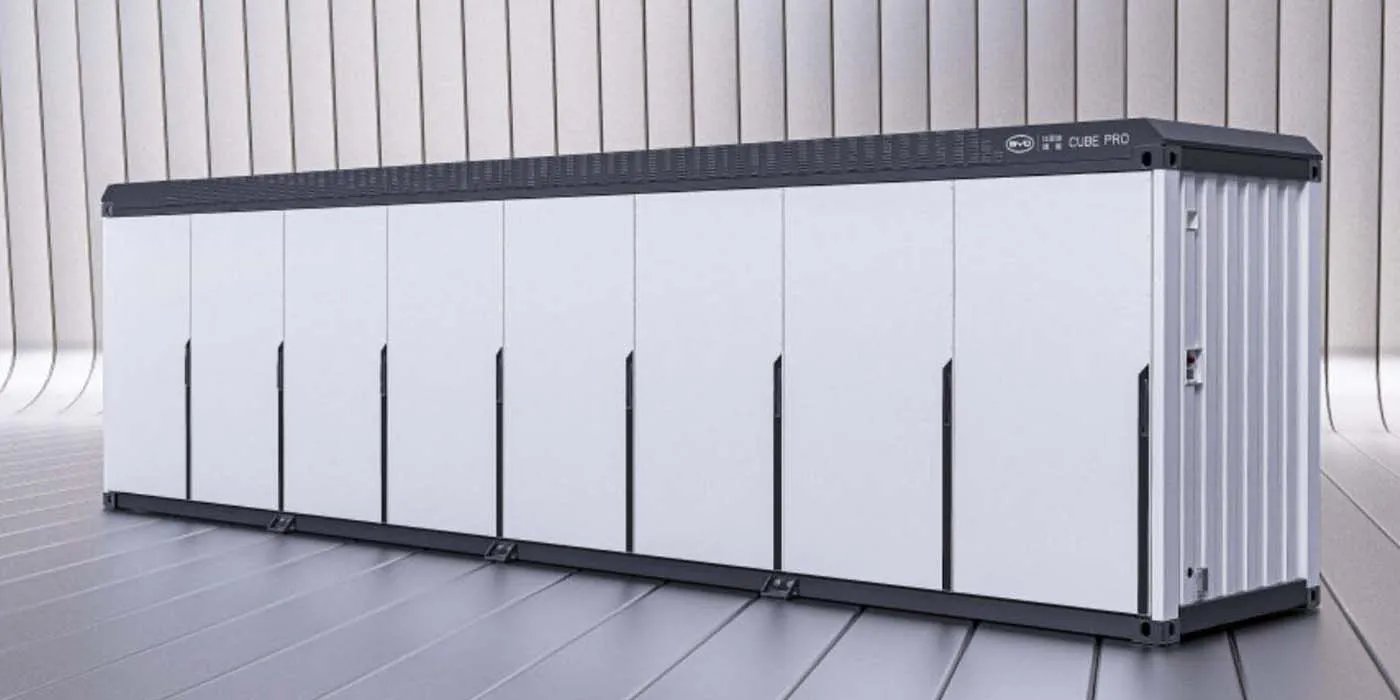
The Haohan system packs 14.5 MWh into its smallest unit configuration — the highest density on the market. In a standard 20-foot container footprint, it achieves 10 MWh of capacity. Given the desert environment, the system carries an IP66 dust and water ingress rating and operates reliably between -30°C and 55°C.
BYD is also supplying its self-developed GC Master energy management system, which can monitor and control millions of data points across the facility. The company says the platform can manage up to 15 GWh from a single station, with over 400 percent higher computing power than conventional systems.
The Abu Dhabi RTC project is part of a broader push by Gulf states to scale renewable energy production. If the 2027 timeline holds, it will be one of the first large-scale demonstrations that solar power paired with massive battery storage can replace fossil fuel baseload generation, not just supplement it during peak hours.