Component Costs Are Squeezing Budget Smartphones — Xiaomi's Redmi Note 17 Is the Test Case
Smartphones under $200 are caught in a bind. Component prices are climbing across the board — memory, displays, processors, even the glass on the front — and the brands that sell tens of millions of budget phones every year can’t just pass the bill to customers the way Apple or Samsung can with their flagships.
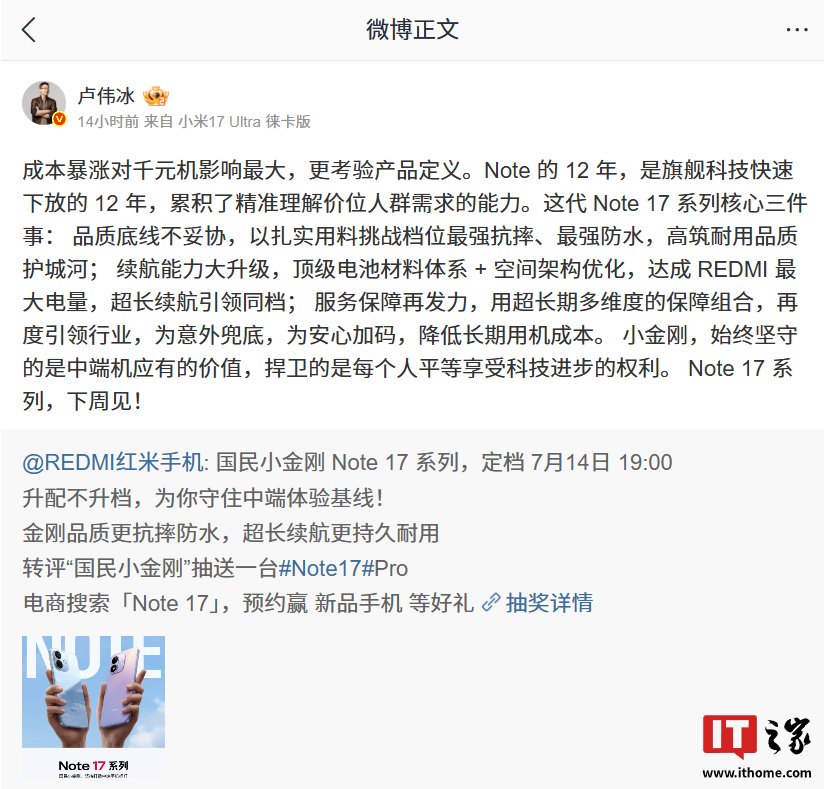
Xiaomi knows this better than anyone. Its Redmi sub-brand sells the Note series in volumes most phone makers can only dream of, and the margins are razor-thin. On Wednesday, Xiaomi Group president Lu Weibing laid it out plainly: cost inflation is hitting the budget segment hardest, and that’s forcing tougher decisions on what goes in and what gets left out.
“The phone industry is going through its toughest period in a decade,” Lu wrote earlier this month. “Runaway costs have swept across the entire phone market, and budget phones are getting hurt the most.” He pointed out that features once considered standard in the sub-$200 tier — OLED screens, proper waterproofing, strengthened front glass — are becoming increasingly rare as manufacturers scramble to keep prices down.
The Note 17 series, launching July 14 at 7 p.m. Beijing time, is Xiaomi’s answer to that pressure. Lu says the new lineup doubles down on three priorities: build quality, battery life, and after-sales service.

The headline feature is the battery. Xiaomi is claiming it will be the largest capacity ever fitted to a Redmi phone, achieved through a combination of advanced electrode materials and optimized internal packaging. Rumors point to a cell in the 9,000 mAh range — enough to comfortably last two days of heavy use.
Other leaked specs include a 1.5K flat display (a compromise between cost and sharpness that’s become popular in Chinese mid-rangers), full waterproof and drop-resistance ratings, and loud dual speakers. Under the hood, the Note 17 is expected to use a Snapdragon 6-series chip — not a powerhouse, but a low-power design built for exactly this kind of device.
The broader story here is bigger than one phone. Component cost inflation has been building for months: DRAM and NAND prices have risen steadily through 2025 and into 2026, Qualcomm and MediaTek have raised SoC pricing, and even passive components like capacitors have gotten more expensive. Budget phones, where every dollar of BOM cost matters, absorb those increases directly — or trade down to cheaper parts.
Lu’s argument is that product definition matters more than ever in this environment. A phone that tries to do everything at a low price will end up cutting corners everywhere. A phone that picks its battles — big battery, solid build, reasonable screen — has a better shot at actually being good. The Note 17 series will test whether that approach works at scale.
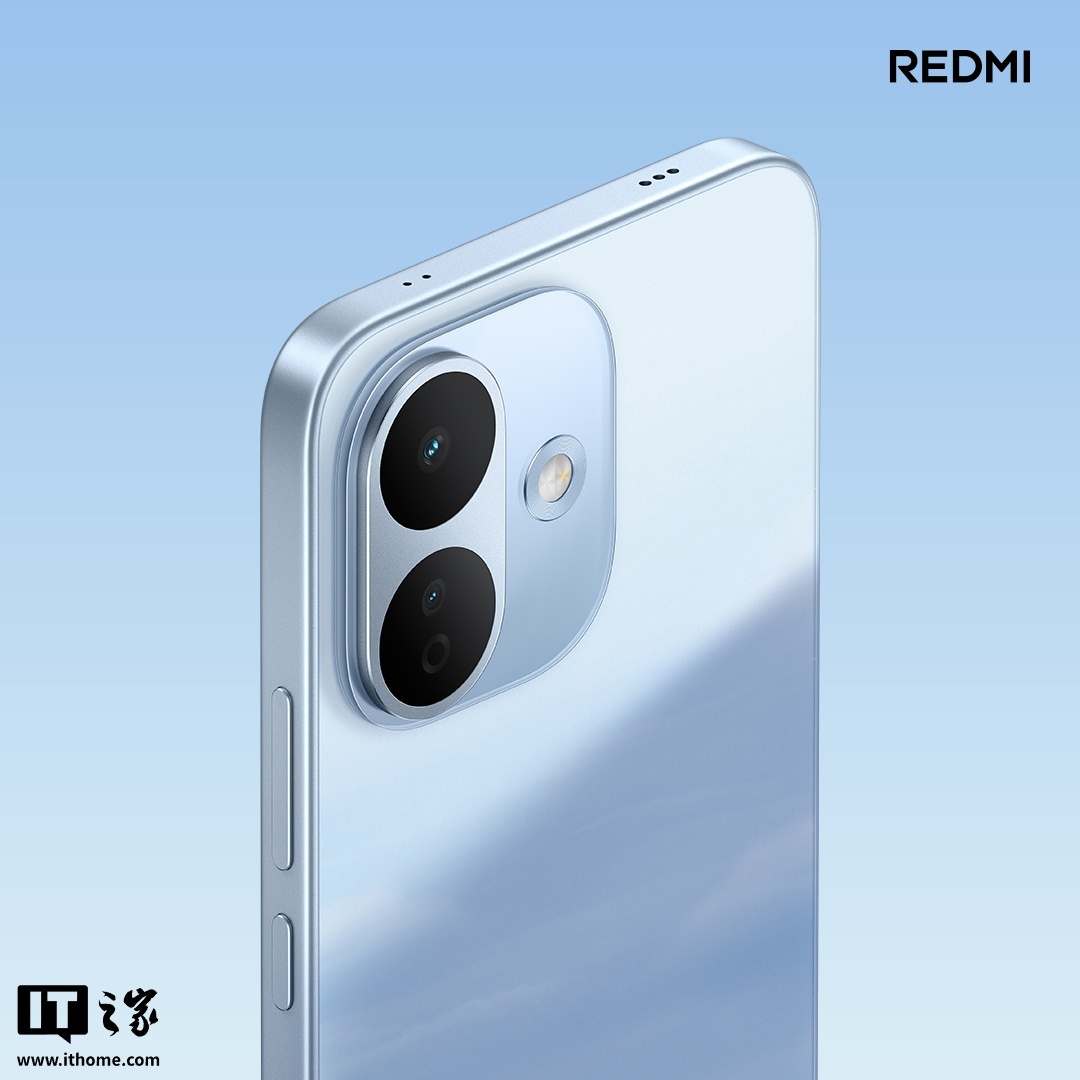
Xiaomi’s positioning is notably restrained compared to the bombastic launch cycles of previous years. No “flagship killer” claims. No benchmark bragging. Just a phone that promises to be dependable, long-lasting, and affordable — which, given the state of the market, might be exactly what millions of buyers are looking for.