Tesla's cars now inspect themselves on the factory floor — using their own microphones
There’s something quietly remarkable happening on Tesla’s factory floors. Cars have been driving themselves off the assembly line for over a year now, rolling straight to delivery lots without a human behind the wheel. But that was just the beginning.
What comes next is more interesting: those same cars are now inspecting their own quality before they leave the factory.
Lars Moravy, Tesla’s VP of Engineering, sat down with longtime Tesla enthusiast Herbert Ong for an interview that covered everything from factory automation to the company’s most ambitious production plans. The biggest reveal? Tesla’s Full Self-Driving system has taken over the final quality checkpoint — a bumpy test track where vehicles are checked for buzzes, squeaks, and rattles (BSR in industry jargon).
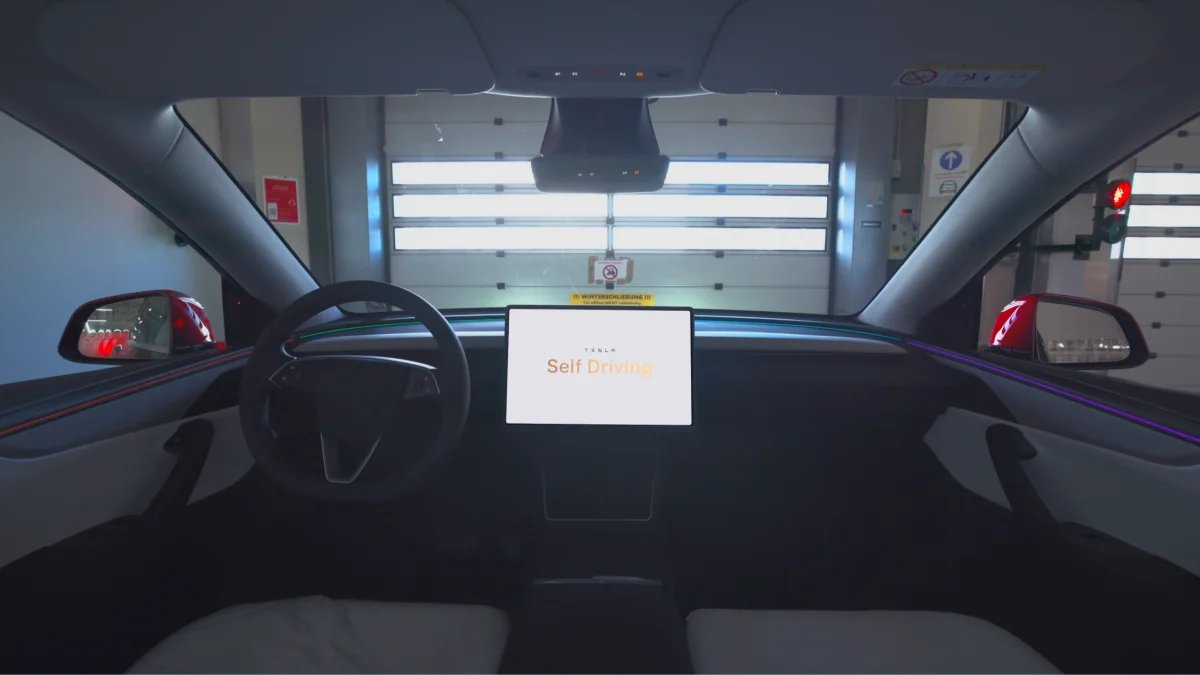
The process works like this: a new car drives itself onto the test track. As it hits bumps and uneven surfaces, the car’s built-in microphones pick up every sound — a loose panel, a rattling wire, an improperly seated trim piece. The audio feeds back to engineering teams in real time. No human technician needed in the loop.
Moravy said Tesla is also developing a dedicated AI system called the “Omnidirectional Auditory System” that can identify these subtle assembly defects automatically before a vehicle is delivered to a customer.
It’s one piece of a much larger push. Tesla has deployed AI agents across the entire factory operation — engineering R&D, supply chain, after-sales service, and production quality control — all running parallel to early-stage durability testing for new parts and manufacturing processes.
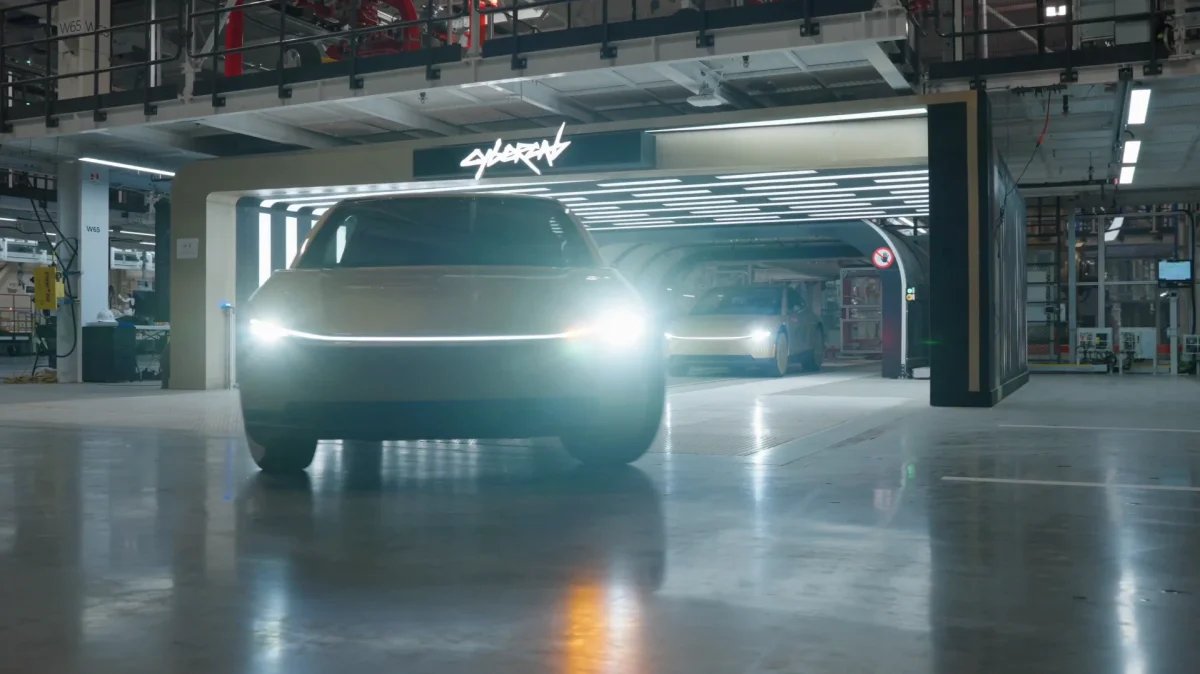
The interview was packed with other details. On Cybercab, Moravy was blunt: the production line is roughly 90% automated, and its final capacity will far exceed what Wall Street analysts are modeling. He suggested Cybercab could eventually out-produce every Tesla model in history. For context, the Model Y — Tesla’s current sales champion — has cumulative production approaching 4 million units.
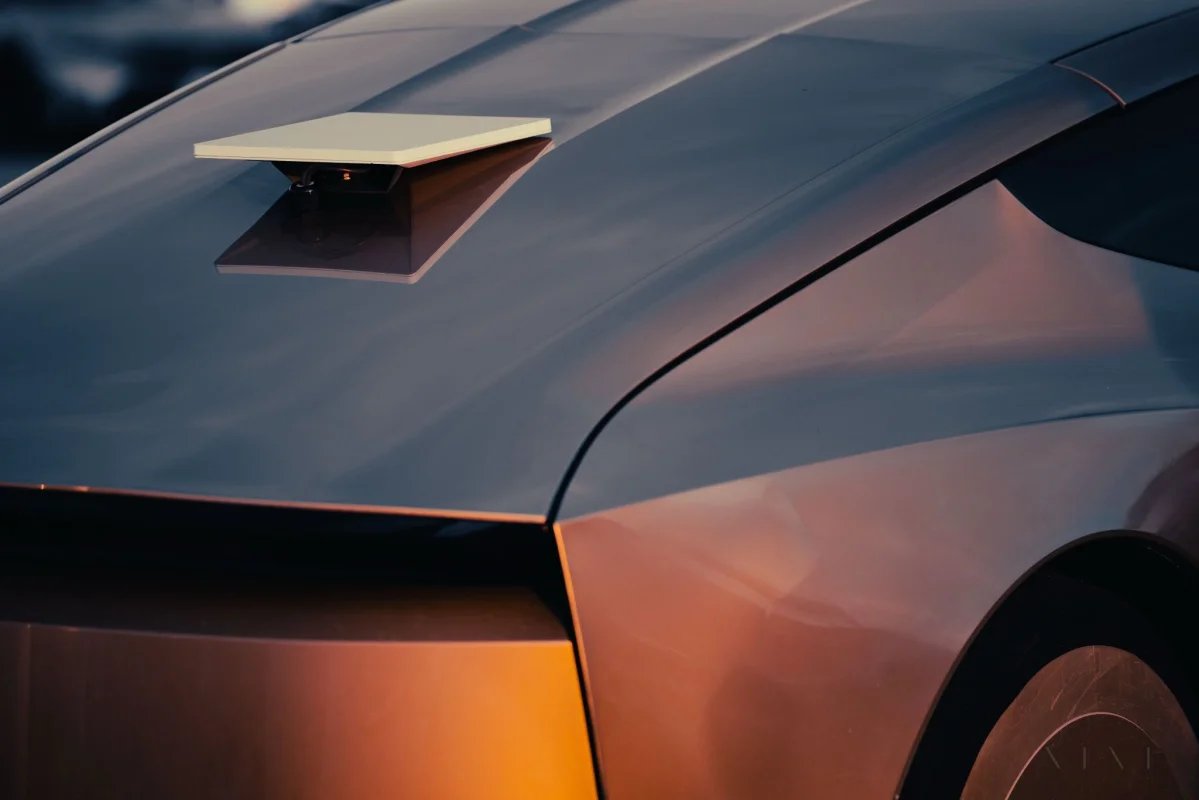
Starlink is coming to Cybercab too. The satellite internet system has long been rumored for Tesla vehicles, and the Cybercab will likely be the first to get it — ensuring full network coverage even in remote rural areas where the robotaxi needs to operate. Test vehicles with Starlink antennas on the roof have already been spotted on public roads.
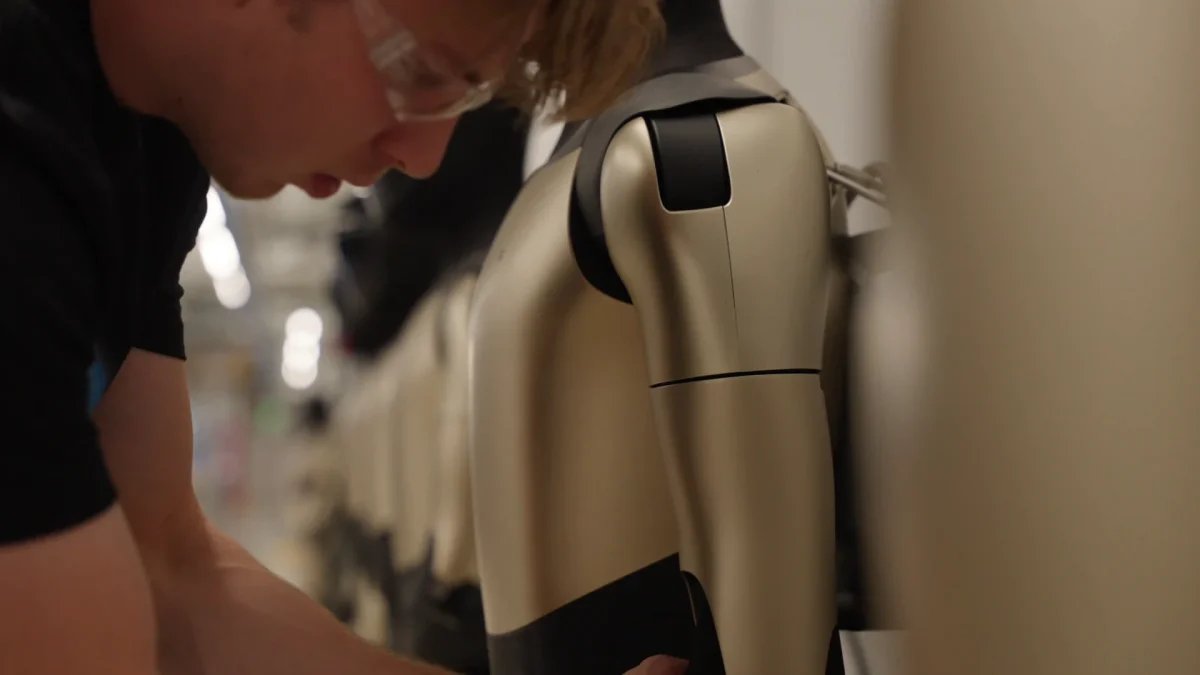
On Optimus, Tesla’s humanoid robot, Moravy confirmed that the first mass production line is being built at the Fremont factory. Construction crews are already setting up the floor. The line uses a fully modular design, allowing flexible reconfiguration as the robot’s hardware and manufacturing processes evolve. Engineers plan to expand to dozens of independent sub-assembly lines over time.
Initial robot production will happen in California, but the equipment is a different story. About 40 independent sub-production lines are currently being manufactured and validated in Germany before being shipped to Fremont. Moravy noted that the bill of materials for a single Tesla vehicle is theoretically higher than for one humanoid robot, though he didn’t give a timeline for full commercial-scale Optimus production. He described the robot’s manufacturing complexity as closer to a modern vehicle than a smartphone — the mechanical complexity and safety standards demand it.
Moravy closed the interview with a teaser: Tesla will announce a major Texas Gigafactory capacity expansion on Tuesday, July 7.