TSMC is pouring another $100 billion into its Arizona megafab
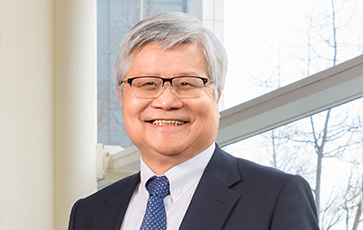
TSMC chairman and CEO C.C. Wei dropped a number on Thursday that’s hard to ignore — an extra $100 billion for the company’s US operations. Speaking during TSMC’s Q2 2026 earnings call, Wei said the fresh capital brings the chipmaker’s total American commitment to $265 billion.
That $265 billion isn’t a pledge on paper. Through its wholly-owned subsidiary TSMC Arizona, the company is already deep into building six fabrication plants, three advanced packaging facilities, and a major R&D center — a project that previously carried a $165 billion price tag. The new $100 billion injection means those plans are getting bigger, though TSMC hasn’t detailed exactly where the extra money will go.
The scale is worth pausing on. TSMC’s Arizona campus is shaping up to be one of the largest semiconductor manufacturing sites on the planet, period. Once fully operational, these fabs will produce the company’s most advanced nodes — the 2nm and future-generation processes that power AI training clusters, iPhone processors, and data center GPUs. Having that capacity on US soil, rather than concentrated in Taiwan, shifts the geography of global chip supply in a fundamental way.
Since the CHIPS Act passed in 2022, semiconductor companies have committed well over $400 billion to American fabs and facilities. TSMC’s $265 billion piece of that pie is the single largest corporate investment in US manufacturing history by a wide margin. To put it in perspective, TSMC alone is spending more on its Arizona campus than the entire global semiconductor industry spent on capital equipment — all chipmakers combined — in 2024.
The timing makes sense. TSMC’s Q2 earnings call painted a picture of a company running flat-out. AI-driven demand for advanced logic chips continues to outpace available supply, and every new fab that comes online helps close that gap. The Arizona facilities, once operational, will be a critical part of that equation.
For the US, the investment represents something beyond dollars and cents. Domestic chip production has been a strategic vulnerability since the pandemic exposed how dependent the country is on Asian foundries. TSMC’s $265 billion bet — backed by the company’s own balance sheet, not just government subsidies — is the most concrete signal yet that reshoring advanced semiconductor manufacturing is actually happening, not just being talked about.