Xiaomi confirms SkyNomad is its own lineup, not a sub-brand — 566 test cars, 4.28 million km
Xiaomi spent its first five years in the auto industry proving it could build a great electric sedan. The SU7 topped China’s 200,000+ yuan pure EV sales chart in 2025. The YU7 crossover was the country’s best-selling SUV from January to April this year. That’s not a bad track record for a company that made its name selling phones.
But the company has always wanted something more than just fast, good-looking sedans. On Friday, Xiaomi officially answered the question it’s been asked for months: What exactly is SkyNomad (Pengcheng)?
It’s not a sub-brand. That was the first clarification. Xiaomi’s latest Q&A session with the public — the 258th of its kind — spelled it out in plain language. SkyNomad is a product series under Xiaomi Auto, sitting alongside the SU7 and YU7 as a parallel lineup. The cars will carry the familiar MI badge on the grille.
The positioning is clear enough. SU7 and YU7 are the “driving series”; their job is making cars safer, smarter, and more responsive. SkyNomad is the “intelligent variable large-space SUV series.” Its mission is answering a different question: how do you make a car that people actually want to live inside?
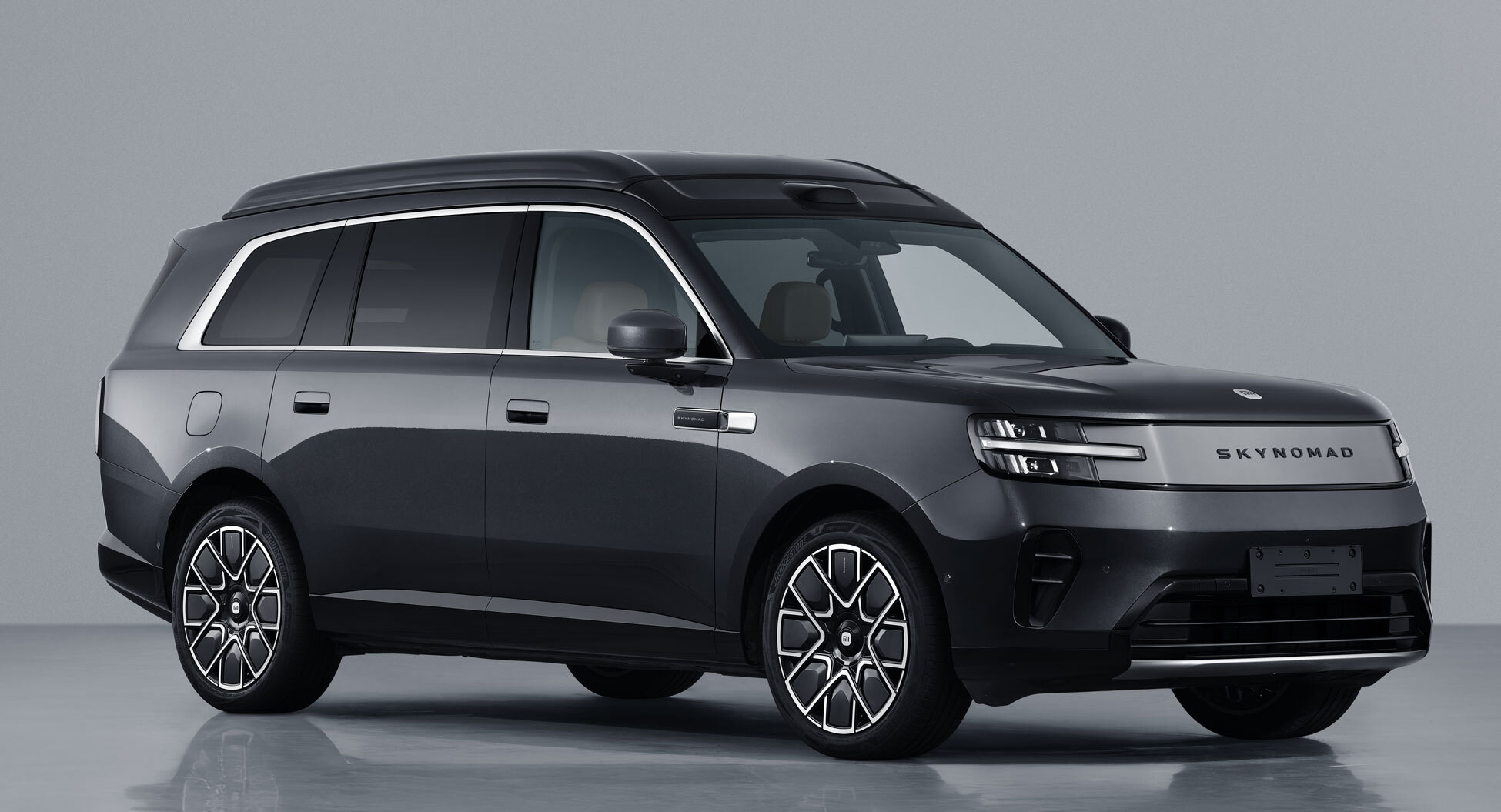
Xiaomi started thinking about this in early 2023, long before most people had even heard of its automotive ambitions. The company developed a new platform architecture internally called Kunlun, designed specifically around the concept of flexible interior space. The key engineering decisions — a completely flat floor, ultra-long rails for seat positioning, and a body structure that allows the interior to reconfigure — were baked in from the start.
“We didn’t start with a big SUV,” the company said. “Most people expected us to. But we started with the hardest thing — a pure-electric sedan — and worked our way from the ground up.”
Two variants are in the pipeline: a five-seat model and a seven-seat model, both using extended-range electric powertrains. Xiaomi is clear about why it chose EREV over pure battery for this series: not every user has reliable access to charging. The approach mirrors the formula that made Li Auto one of China’s most successful new energy automakers, but Xiaomi’s numbers are worth a closer look.
Under WLTC, the global testing standard, the SkyNomad series delivers up to 380 km of pure electric range. Under China’s CLTC standard, that number exceeds 500 km. When the battery runs out, fuel consumption drops to 5.7 liters per 100 km (WLTC). The company’s philosophy, as stated bluntly in its Q&A: “Use electricity as much as possible. When you occasionally need fuel, it should still be efficient. No anxiety on long trips.”
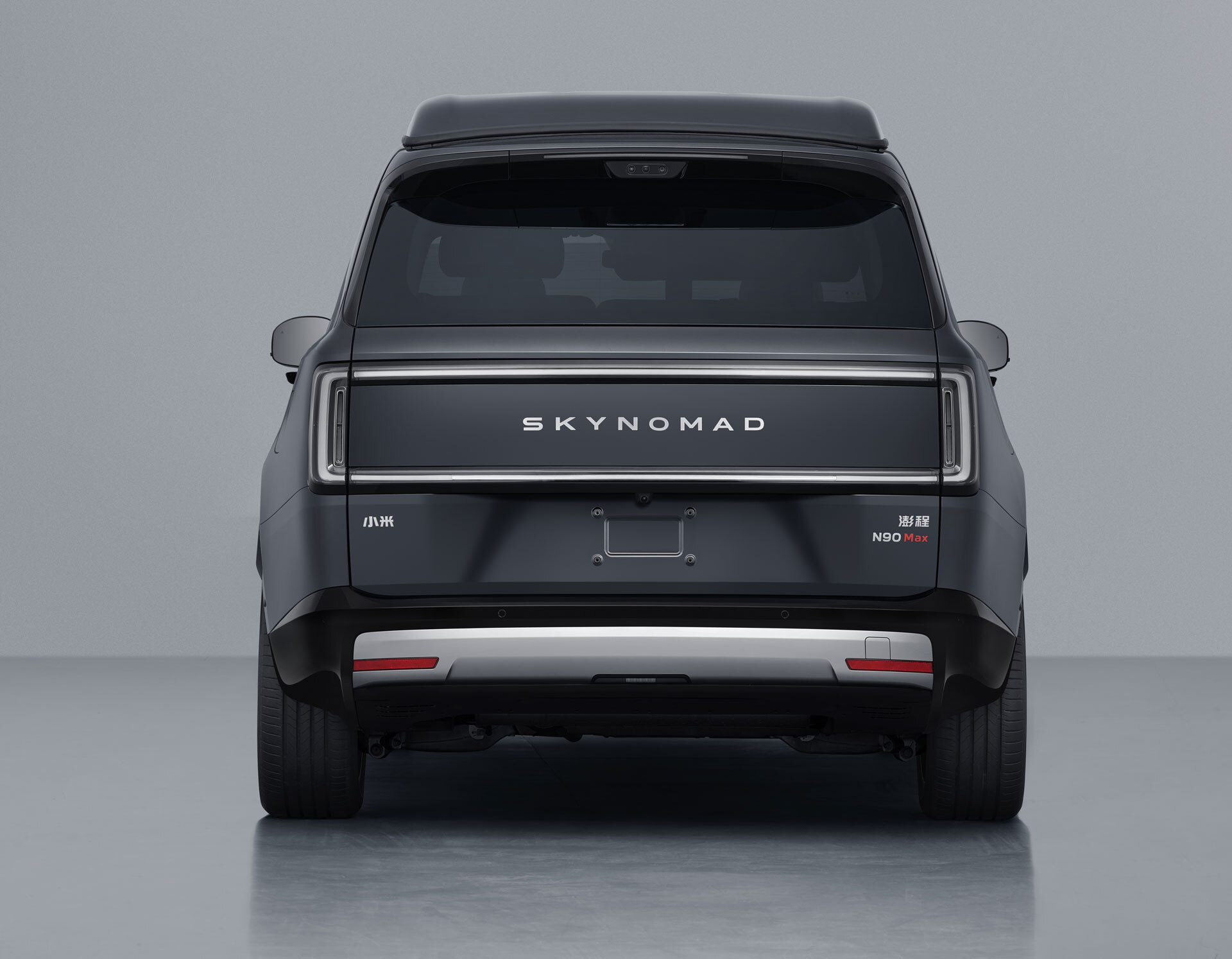
The testing program is unusually detailed for a vehicle that hasn’t launched yet. As of June 30, Xiaomi had deployed 566 SkyNomad test vehicles that collectively logged over 4.28 million kilometers across 300 Chinese cities. Ambient temperatures ranged from -41°C to 53°C. Altitude testing hit 5,380 meters in Ngari Prefecture, Tibet. The test fleet covered plains, mountains, plateaus, and climates ranging from extreme cold through temperate to tropical. Structural endurance, powertrain durability, and comprehensive long-haul tests were run at dedicated proving grounds.
“556 test cars and 4.28 million kilometers — that’s our answer,” Xiaomi said.
The company has cumulatively delivered more than 655,000 vehicles as of April 23, 2026, across its entire lineup. That’s real scale. The question now is whether SkyNomad can replicate the SU7 approach — clear positioning, obsessive engineering detail, and a product that people actually want to use — on a completely different kind of vehicle.
Xiaomi hasn’t announced a launch date yet. It says the timing is “being steadily advanced” and that more product, space, and technology details will follow. Given the company’s track record of working backwards from aggressive deadlines, it probably won’t make people wait too long.