AI Demand Is Squeezing Memory Supply — DRAM to Jump 20-30%, NAND 35-40% This Quarter
The memory market has a supply problem that’s about to get worse. ADATA Technology, one of the world’s largest memory module makers, warned Tuesday that DRAM and NAND flash prices will rise sharply in the third quarter of 2026 — DRAM contract prices by 20 to 30 percent, and NAND flash by as much as 35 to 40 percent.
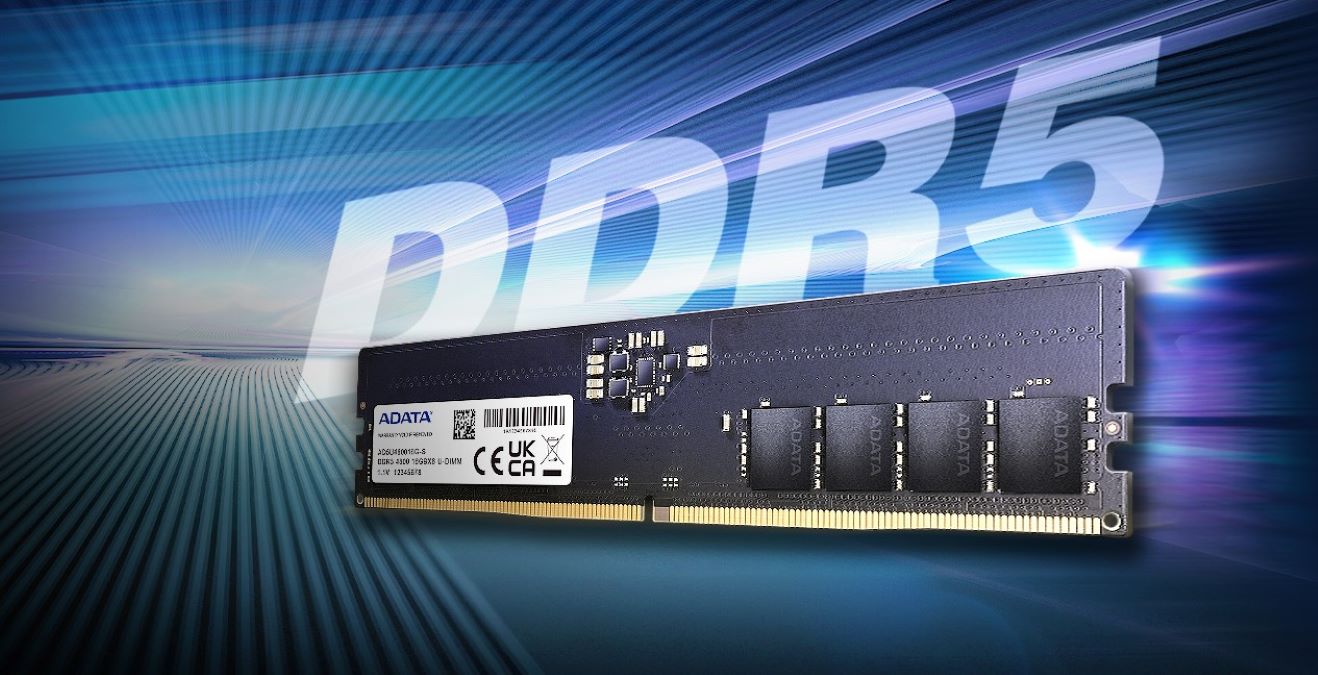
AMD, Lenovo, and Intel have all signaled the same thing: memory is getting more expensive, and quickly. The root cause is no secret. AI computing has exploded over the past year, and the chip fabs that once produced general-purpose DRAM and consumer SSD NAND are now busy making high-bandwidth memory and AI accelerators. That reallocation has created a supply gap that keeps widening.
ADATA’s own numbers tell the story. The company reported June revenue up 13.2 percent month-over-month and a staggering 212 percent year-over-year jump — a record high driven almost entirely by price increases and surging demand.
ADATA chairman Chen Li-Pai told local media that memory manufacturers have already notified customers of the Q3 price hikes. The 20-30 percent DRAM increase and the 35-40 percent NAND increase are contract prices, which means the retail prices consumers see on store shelves will climb even higher after distributor margins are factored in.
The company has locked in long-term supply agreements with SK Hynix, Micron, and Samsung — the three giants that control most of the world’s DRAM and NAND production. Those contracts guarantee ADATA gets chips, but they don’t lock in prices.
The market’s outlook isn’t getting any brighter. Analysts predict overall memory prices could rise as much as 50 percent in Q3, followed by another 40 percent in Q4. Some forecasts suggest the supply crunch could stretch into 2028. If AI chip demand keeps climbing — or if new fab construction projects fall behind schedule — the shortage will last even longer.