China's First Subdural Brain Implant Enters Trial — No Piercing, No Heating
A brain-computer interface that sits on the surface of the brain rather than piercing into it has entered clinical trials in China. NeuroXess, the company behind it, is targeting patients paralyzed from the neck down — the device aims to restore hand movement by reading neural signals from the cortex.
NeuroXess announced Tuesday that its fully implanted, fully wireless BCI system has started GCP registration trials at Huashan Hospital, affiliated with Fudan University in Shanghai. It’s the first subdural cortical-surface implantable BCI product in China to reach this stage, where Class III medical device registration is the goal.
The trial evaluates safety and efficacy for upper limb compensation in tetraplegic patients with cervical spinal cord injuries. If the data holds up, it goes straight to China’s National Medical Products Administration for final market approval.
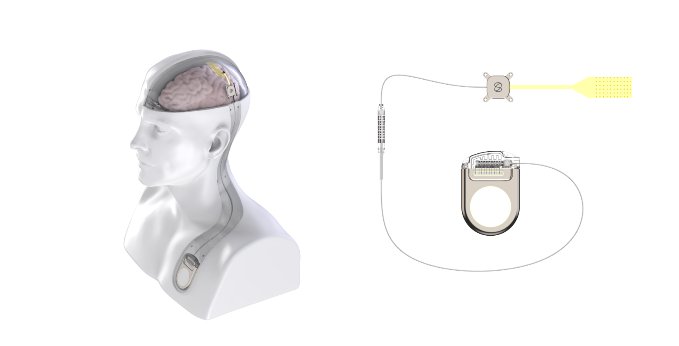
The technical design breaks from the more invasive approaches used by competitors like Neuralink. NeuroXess places flexible electrodes on the brain’s cortical surface — under the dura but not into brain tissue. The company claims this preserves signal quality without damaging neurons.
Heat management is handled through a split-body architecture: the battery and wireless charging hardware sit under the chest skin, well away from the brain. This avoids the thermal risks that come with packing power components near neural tissue.
The surgery follows the standard deep brain stimulation procedure already used in hundreds of Chinese hospitals. No custom robotics are needed. The system’s latency is under 50 milliseconds, and its cursor-decoding performance hits 5.2 bits per second.
On June 30, China’s NMPA issued two regulatory guidelines that formally classify invasive and implantable BCIs as Class III medical devices — the strictest category. That regulatory clarity arrived just days before NeuroXess began its trial.