Amazon's Recommended USB Drives: 20% Have Fake Capacity, Nikkei Investigation Finds
Buying a USB drive on Amazon has become a gamble. A new investigation by Nikkei found that roughly one in five USB flash drives recommended by Amazon’s search algorithm carry customer reviews accusing the product of having fake storage capacity. The problem is significantly worse on Amazon’s US site, where the figure approaches 40%.
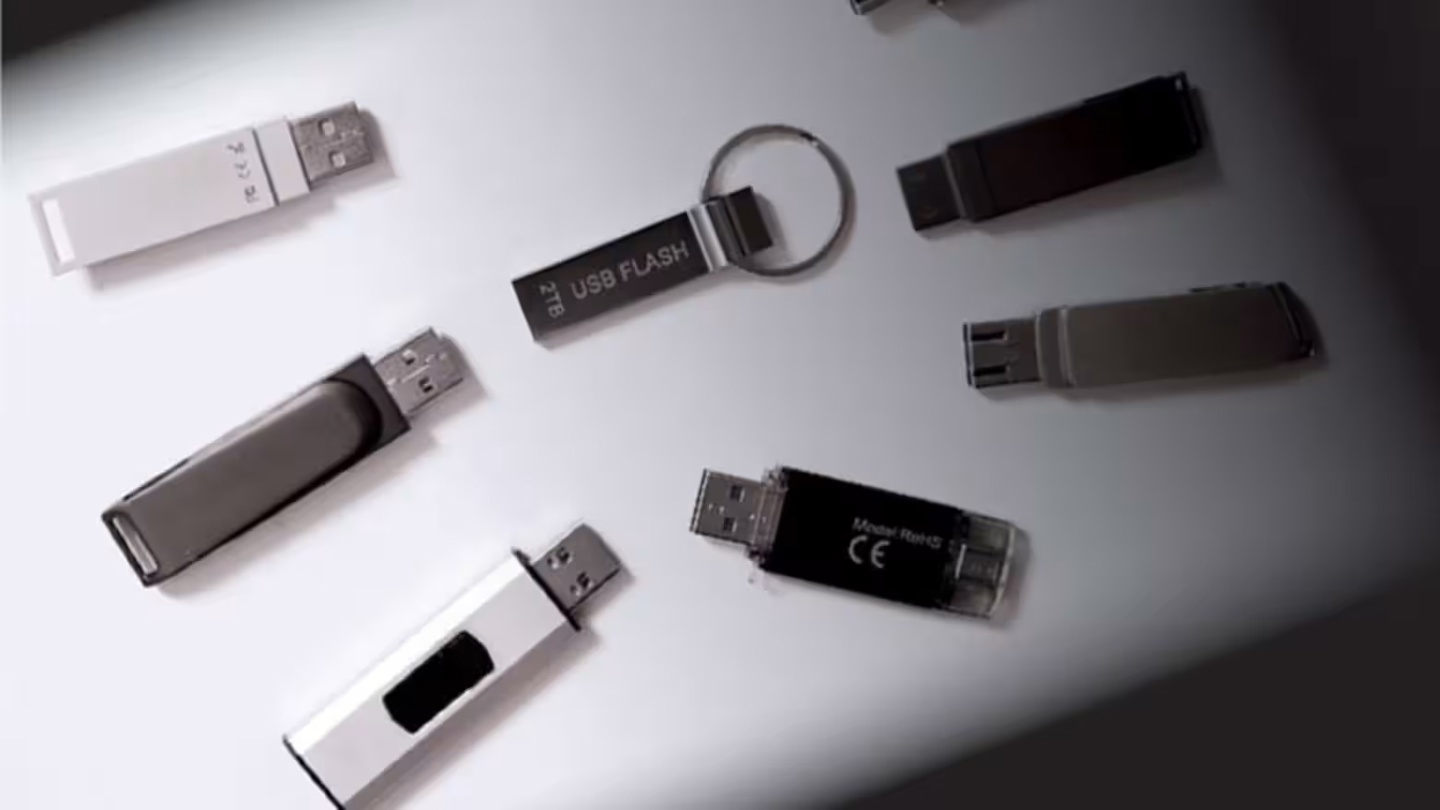
The risks go beyond just lost data. Some of these counterfeit drives come pre-loaded with malware, meaning even a successful refund doesn’t undo the damage of an infected computer.
Nikkei’s investigation, conducted in late June, analyzed 100 recommended products each from Amazon Japan and Amazon US when searching for “USB memory.” Across both markets, roughly 20% of products had multiple reviews questioning their actual storage capacity. The US site was the worse offender at nearly 40%; Japan’s rate was just under 10%.
To verify the claims, Nikkei bought five Chinese-brand USB drives priced at roughly half the market average and sent them to AI Data, a Japanese data recovery firm, for testing. Every single one had less real capacity than advertised.
The fake capacity complaints — 220 negative reviews in total — weren’t limited to obscure brands. Consumers reported receiving counterfeit products even on product pages for Kioxia drives and Amazon’s own Amazon Basics line. Kioxia acknowledged the issue, warning customers to stay alert.
At the heart of the problem is Amazon’s Marketplace system, which lets multiple sellers offer the same product on a single listing page. The lowest-priced seller usually gets the most prominent placement — an open invitation for counterfeiters to fulfill orders with fake goods. For the average shopper, there’s almost no way to tell where a product is actually coming from, short of squinting at the seller information in the sidebar.
“Some sellers continue to abuse this system, using the credibility built by genuine products to sell counterfeits,” said Takayuki Tsutsumi, secretary general of Union des Fabricants Tokyo, a Japanese intellectual property protection group.
Amazon Japan said in a statement that product safety and authenticity are its top priorities and that it is investigating the situation. But critics argue the company’s seller verification process — which relies on transaction records and video calls — simply can’t keep up with the sheer volume of third-party merchants on the platform.
Takaaki Someya, a Japanese consumer rights lawyer, called for tougher regulations. “Even products requiring brand authorization have had counterfeits sold through Amazon via legitimate product pages,” he said. “Regulators need to impose stricter rules requiring platforms to strengthen seller vetting.”
For now, the advice for shoppers is simple: if the price looks too good to be true, the drive almost certainly has less space than advertised.