A 3D-printed nuclear reactor module lasts 30 years without refueling — the first one is already built
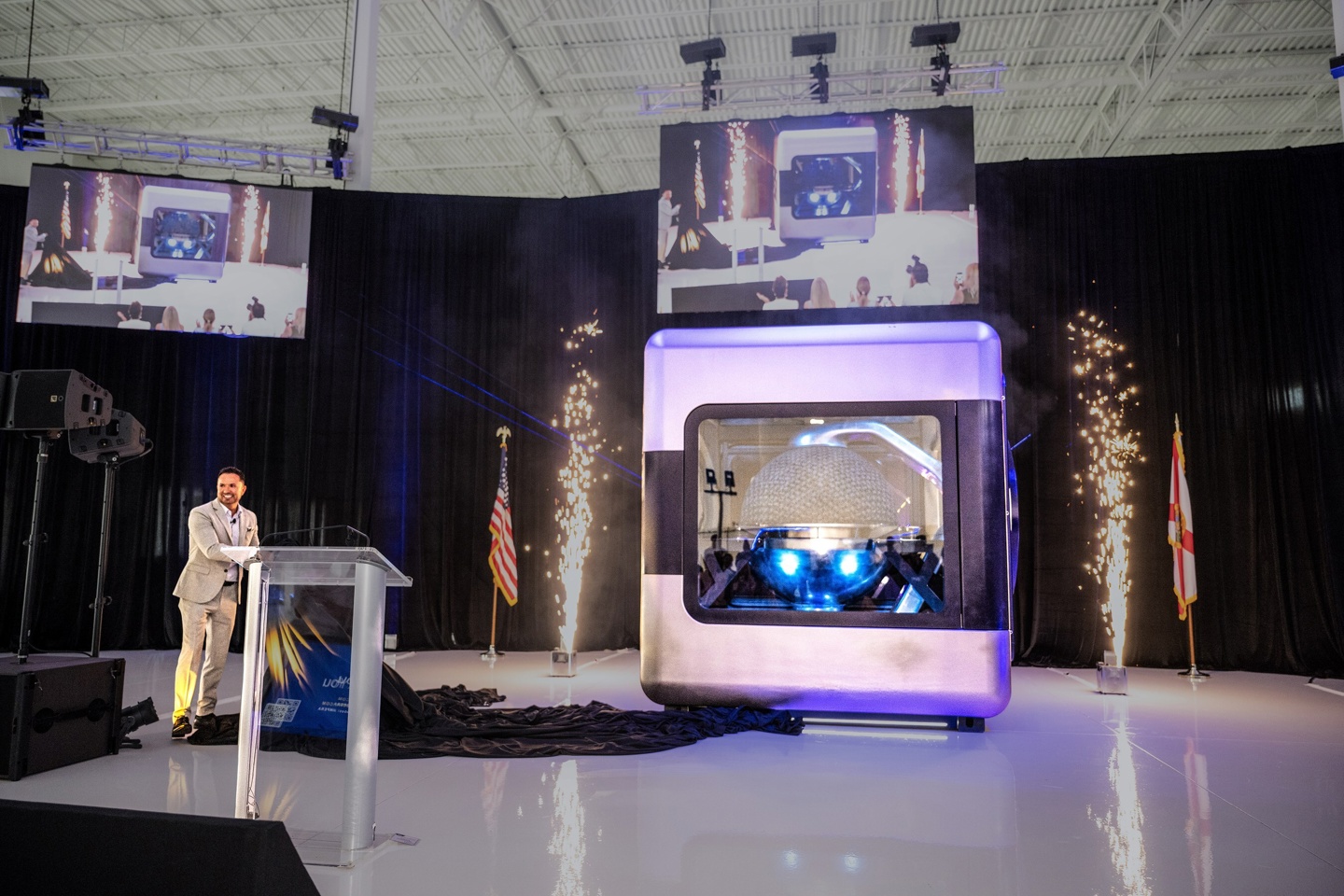
Energy technology company AMPERA announced this week that it has completed the world’s first full-size 3D-printed nuclear reactor module at its facility in Florida. The achievement moves the company one step closer to delivering factory-built thorium reactors that need no on-site refueling for decades.
The centerpiece of the module is a spherical integrated-rotor core made from silicon carbide (SiC). The company says this core is designed for a 30-year operational lifespan with zero fuel replenishment — no refueling outages, no spent fuel handling on site.
AMPERA is developing what it calls the world’s first subcritical, solid-state, factory-prefabricated thorium reactor. The system uses TRISO (tri-structural isotropic) thorium as its nuclear fuel, a particle-based fuel form that traps fission products within multiple ceramic layers, reducing the risk of release even under extreme conditions.
Each module delivers 30 MW of electricity. Because the reactor is subcritical — meaning it cannot sustain a chain reaction on its own — it avoids many of the safety concerns associated with conventional fission reactors.
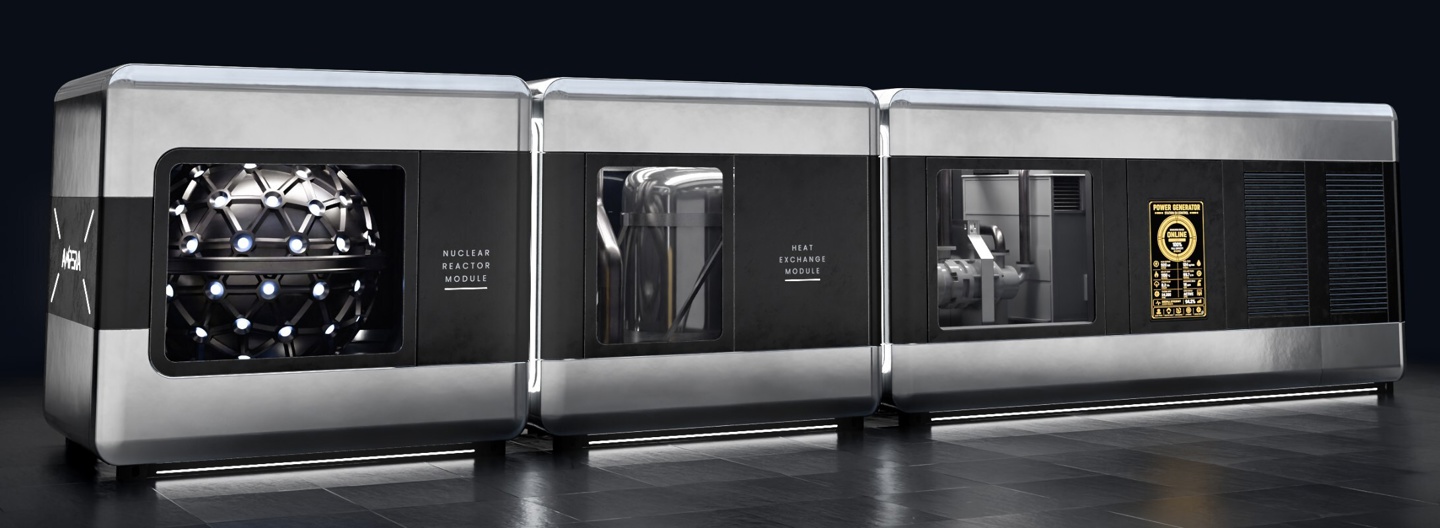
The factory-prefabricated design is a deliberate bet on manufacturability. Instead of building reactors on site over years-long construction timelines, AMPERA wants to print and assemble modules in a controlled factory environment, then ship them to where they’re needed. If the approach scales, it could cut both cost and deployment time dramatically.
There’s no word yet on when the first AMPERA reactor will enter commercial operation. But with a full-size module now physically built, the company has moved from concept to hardware — which is more than most next-generation nuclear startups can say.