Apple's First Foldable iPhone to Enter Mass Production in Late July, September Launch on Track
Apple’s first-ever foldable iPhone is set to enter mass production in late July, keeping the device on track for its highly anticipated September debut, according to a new report from Korean outlet The Elec. The timing quells recent speculation that hinge-related engineering challenges might push the launch into 2027.
Supply chain sources indicate that Apple has already locked in the key specifications for the foldable iPhone’s display, enclosure, and structural components, and the product has now moved into the mass-production preparation phase. Foxconn, Apple’s long-standing manufacturing partner, will handle the initial production batch. Apple reportedly completed its first trial production run back in April, paving the way for the late-July ramp-up.
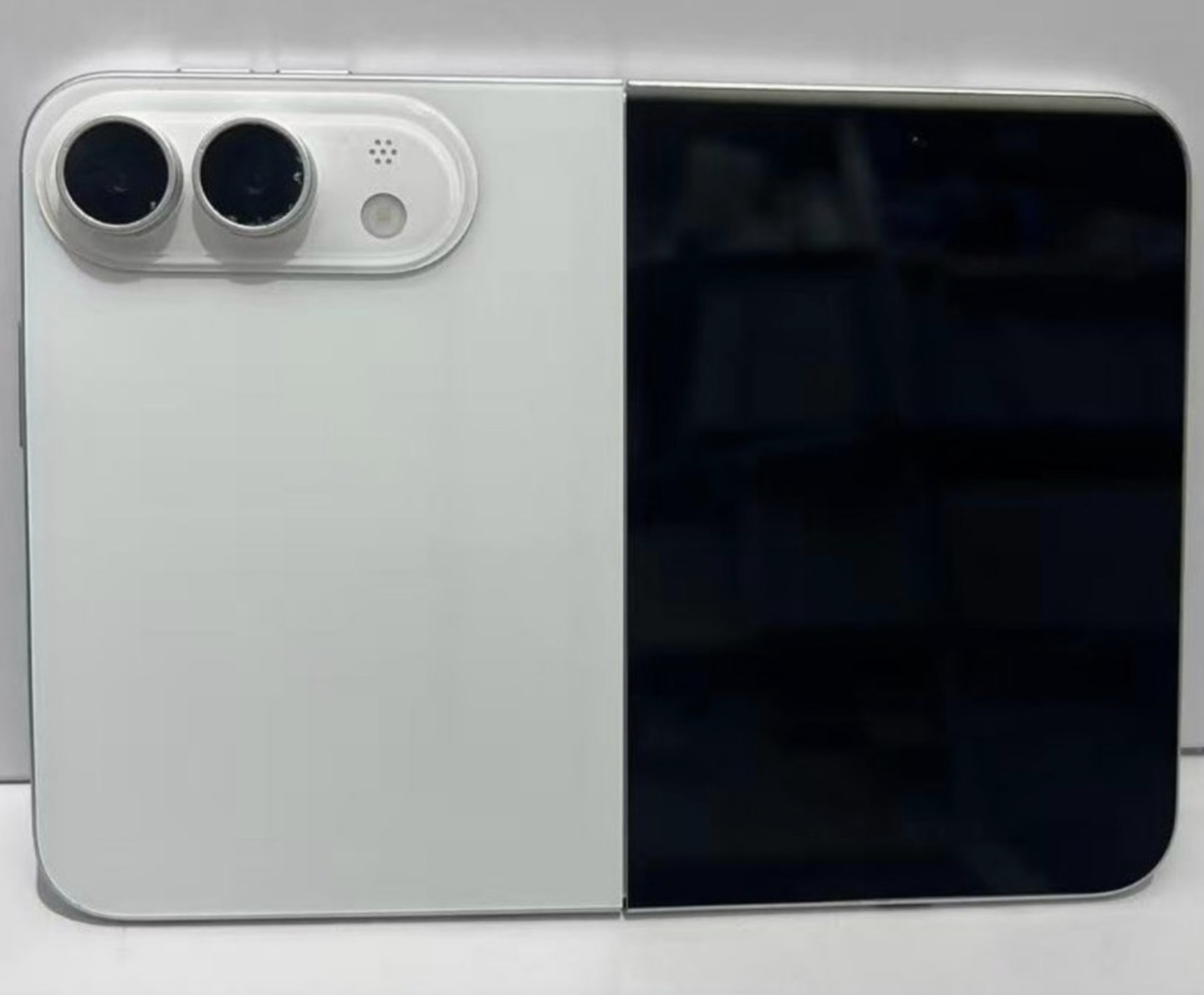
Samsung Display will supply the foldable OLED panels, with the first modules coming from the company’s Vietnam facility after recently securing Apple’s approval. The OLED module — which integrates the driver IC, flexible printed circuit board, and protective layers — is now fully ready for mass production at Samsung Display.
The hinge mechanism, arguably the most critical component in any foldable device, will be sourced from Jarllytec and Amphenol, with both suppliers employing 3D printing to manufacture the hinge modules. The hinge governs not only the tactile feel of opening and closing the device but also crease control and long-term durability — a part that simply does not exist on traditional slab phones, making it the determining factor for the overall polish of a foldable handset.
Industry insiders acknowledged that after millions of durability test cycles, the hinge produced slight audible noise, and assembly tolerances in certain areas were wider than expected, leading to elevated defect rates. However, most of these issues have now been resolved. Earlier reports had suggested the hinge problems could force a delay, and some analysts still caution that even if Apple announces the device in September, actual sales might not begin immediately — Apple may enforce stricter quality standards before full-scale shipments for its debut foldable.
The arrival of a foldable model is also expected to reshape Apple’s iPhone release cadence. According to one Apple supply chain source, this year’s September event will center on the Pro, Pro Max, and Ultra (foldable) models, while the standard iPhone could be pushed to a separate launch window — possibly as late as spring 2027. It’s a pragmatic shift that reflects the sheer engineering complexity of bringing a foldable iPhone to market alongside refreshed iterations of the established lineup.