Apple quietly lobbies US government for access to Chinese DRAM chips
Apple has been quietly lobbying the White House for permission to buy memory chips from ChangXin Memory Technologies (CXMT), China’s largest DRAM manufacturer, according to the Financial Times. The company first approached the US Commerce Department more than a month ago and has since reached out to other Washington officials, people familiar with the matter told the paper.
Apple’s goal is straightforward: secure an exemption to buy CXMT’s DRAM chips and ease the financial pressure from rising memory prices. The AI boom has triggered a data center construction frenzy, pushing up global DRAM costs across the board. Apple raised prices on its Mac and iPad lines just three days ago, citing precisely this pressure.
The problem is that CXMT sits on the US Entity List, imposed by the Commerce Department last year. The Pentagon has also labeled it a “military-industrial company.” Under current rules, any American company that wants to buy goods, software, or technology from an Entity List firm needs a government license, and those licenses are rarely granted.
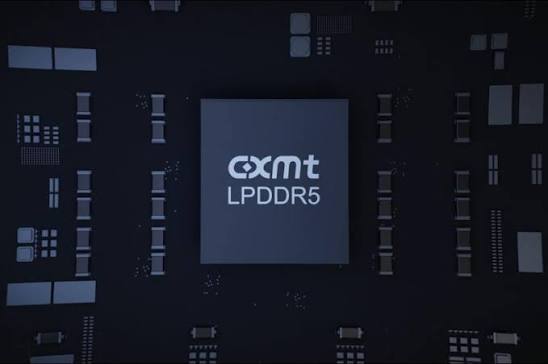
That puts Apple in an awkward spot. The company needs cheaper memory to keep its product margins healthy, but the main source of affordable DRAM in Asia is now effectively off-limits. CXMT is one of the few DRAM makers outside the Samsung-SK Hynix-Micron oligopoly, and its chips are widely used in Chinese electronics. For Apple, getting access would mean a direct hedge against the pricing power of the Big Three memory suppliers.
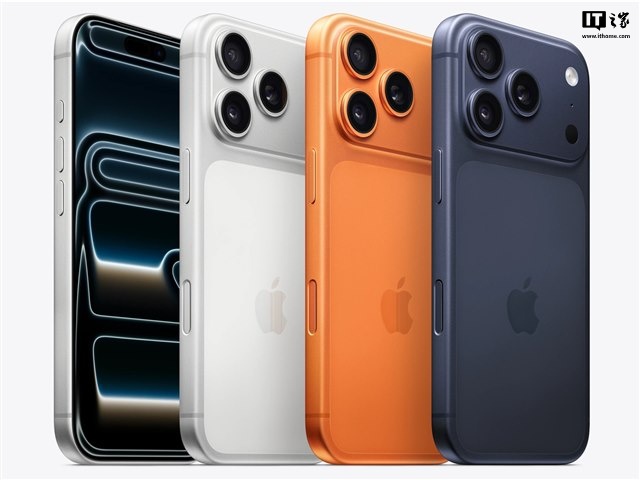
The lobbying campaign reflects a deeper dilemma for American tech giants. Washington wants to choke off Chinese semiconductor advances on national security grounds. But those same sanctions ripple back into supply chains that US companies depend on. The result is a growing tension between corporate cost pressures and government export controls — and Apple’s CXMT bid is just the latest flashpoint.
The Financial Times notes that Apple’s efforts also signal a broader shift: as AI infrastructure gobbles up more of the global memory supply, even the world’s most valuable company has to get creative about where it sources components.
Apple, the White House, and CXMT all declined to comment when reached by the Financial Times.