There's a new 4.7-inch mini phone, and it runs Android 16
It’s been years since a major phone maker took the “small phone” crowd seriously. Apple’s iPhone mini line is dead. Asus stopped making the Zenfone compact. Samsung’s Galaxy S25 is still over 6 inches. So who’s filling the gap? A Chinese manufacturer called BLUEFOX, which just announced that its 4.7-inch mini phone — previously known under the codename “β” — is now officially named Aura A1, and it’s entering final mass production validation.
The Aura A1 measures 117 x 54.6mm, which makes it shorter and narrower than pretty much every current flagship. It’s about the same footprint as an iPhone 13 mini but with a taller aspect ratio. Up front sits a 4.7-inch 1600 x 720 Tianma LCD panel with a 90Hz refresh rate and 600 nits peak brightness, paired with a 16MP selfie camera tucked into the top bezel.
Around back, the phone uses AG matte glass and a 64MP OV64B40 main sensor — a solid mid-range shooter that’s been well-characterized in other devices.
Under the hood, BLUEFOX chose the MediaTek G100 chipset, a capable mid-range SoC built for everyday tasks. It’s paired with LPDDR4X RAM and UFS 2.2 storage. The phone includes NFC, an infrared emitter, and a linear vibration motor — small luxuries that compact phones often sacrifice.
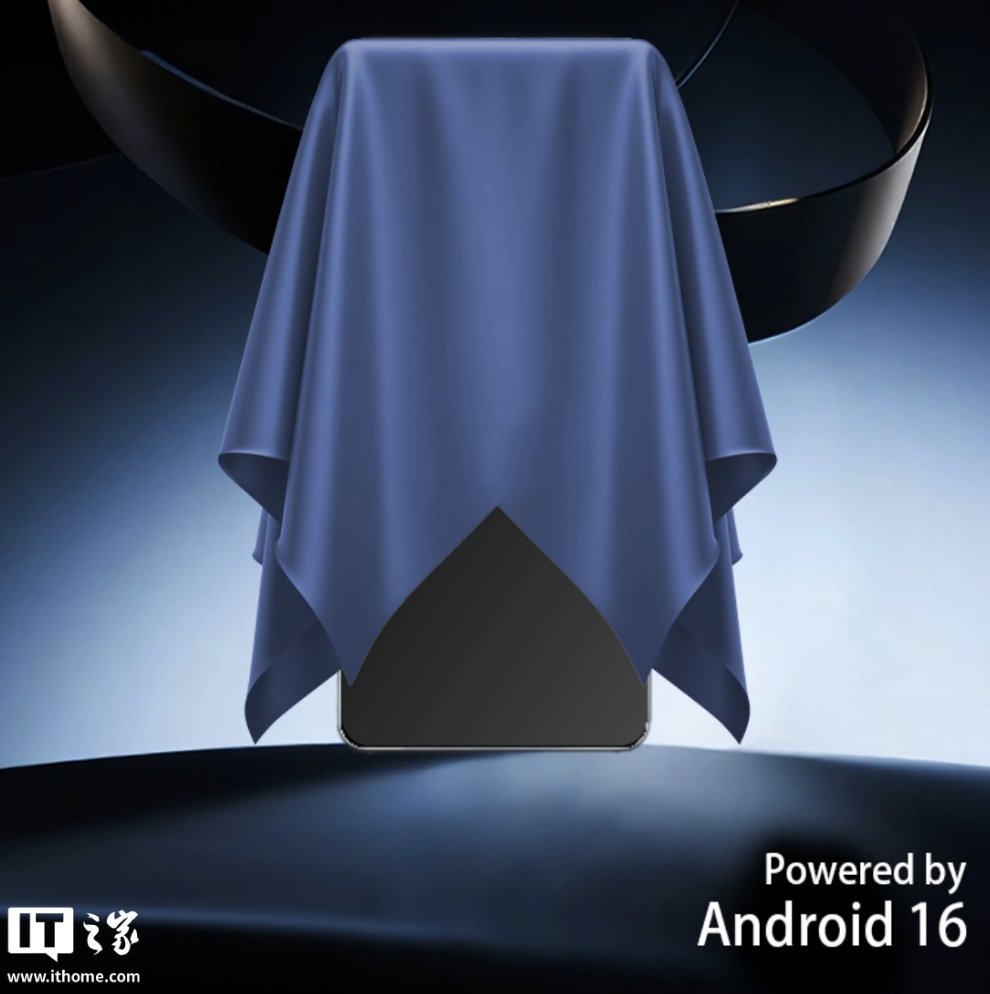
The battery is 3,500mAh with 18W charging. That won’t win any speed records, but given the small screen and efficient chipset, it should comfortably get through a day. The phone runs Android 16 out of the box.
Images from BLUEFOX show a flat display with minimal bezels and a side-mounted fingerprint reader integrated into the metal frame. The overall look is clean and deliberately unfussy — no camera bumps the size of a coaster, no gimmicky textures.
The Aura A1 is now in the final production confirmation (PVT) stage, meaning the design is locked and the assembly line is being tuned for volume manufacturing. BLUEFOX says it will launch “soon,” though it hasn’t set a specific date or price yet.
For anyone who’s been holding onto an aging iPhone SE or a dying Palm phone, this might be the most interesting compact Android option in years.