Claude Code's System Prompt Got 80% Shorter — And It Works Better
There’s a surprising finding coming out of Anthropic’s engineering team: the more instructions you give Claude Code, the worse it performs — at least with the latest generation of models.
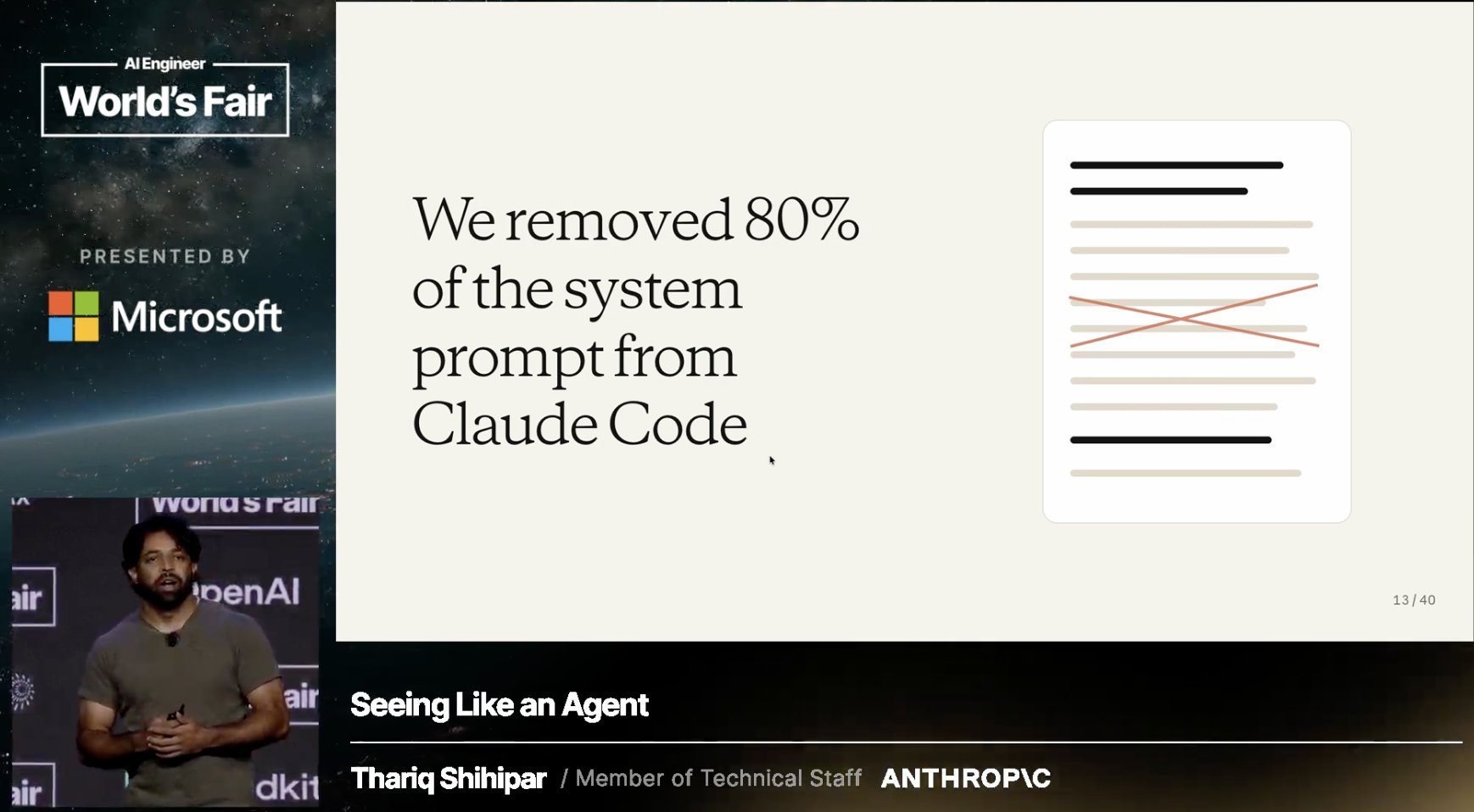
Anthropic has slashed Claude Code’s system prompt by 80%, dropping from what was roughly 700 lines to just around 140 lines. The change targets Claude Fable 5, the company’s newest model. Tariq Shihipar, an Anthropic engineer working on the tool, said the team has realized that verbose prompts packed with examples actually constrain how well the model can do its job.
“Newer models, including Fable 5, need shorter system prompts,” Shihipar said. “The examples people provide often limit their performance — these models already have more imaginative examples than what a user would supply.”
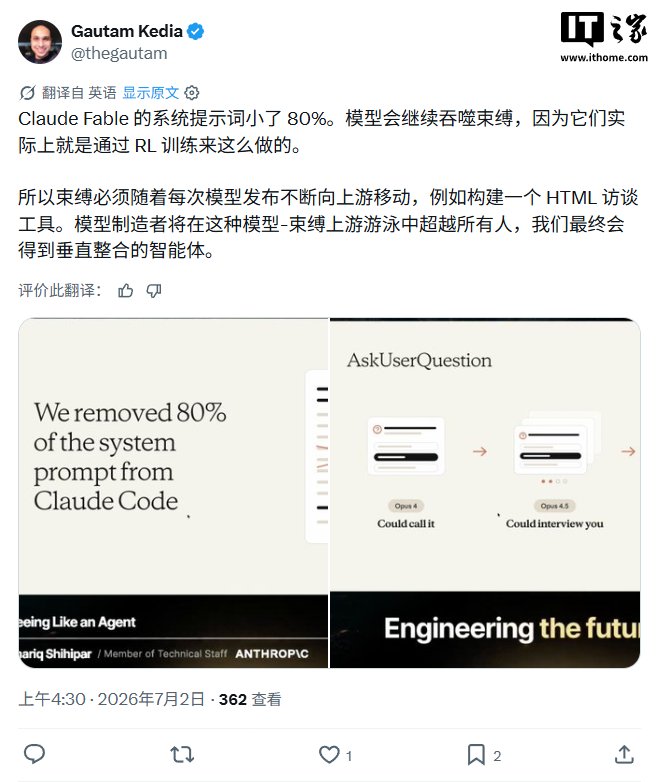
The shift represents a broader evolution in how developers interact with AI. Early language models needed short, simple prompts followed by lots of examples and hard-coded rules. As models got smarter, prompts ballooned — engineers crammed in more edge cases, more constraints, more don’t-do-this instructions. Now, with models like Fable 5, the pendulum is swinging back.
Anthropic is moving away from rigid rules like “never do X” and instead using context to steer the model naturally. Shihipar described it as a “short-long-short” cycle for prompts — AI interaction is looping back toward brevity, but for entirely different reasons than before.
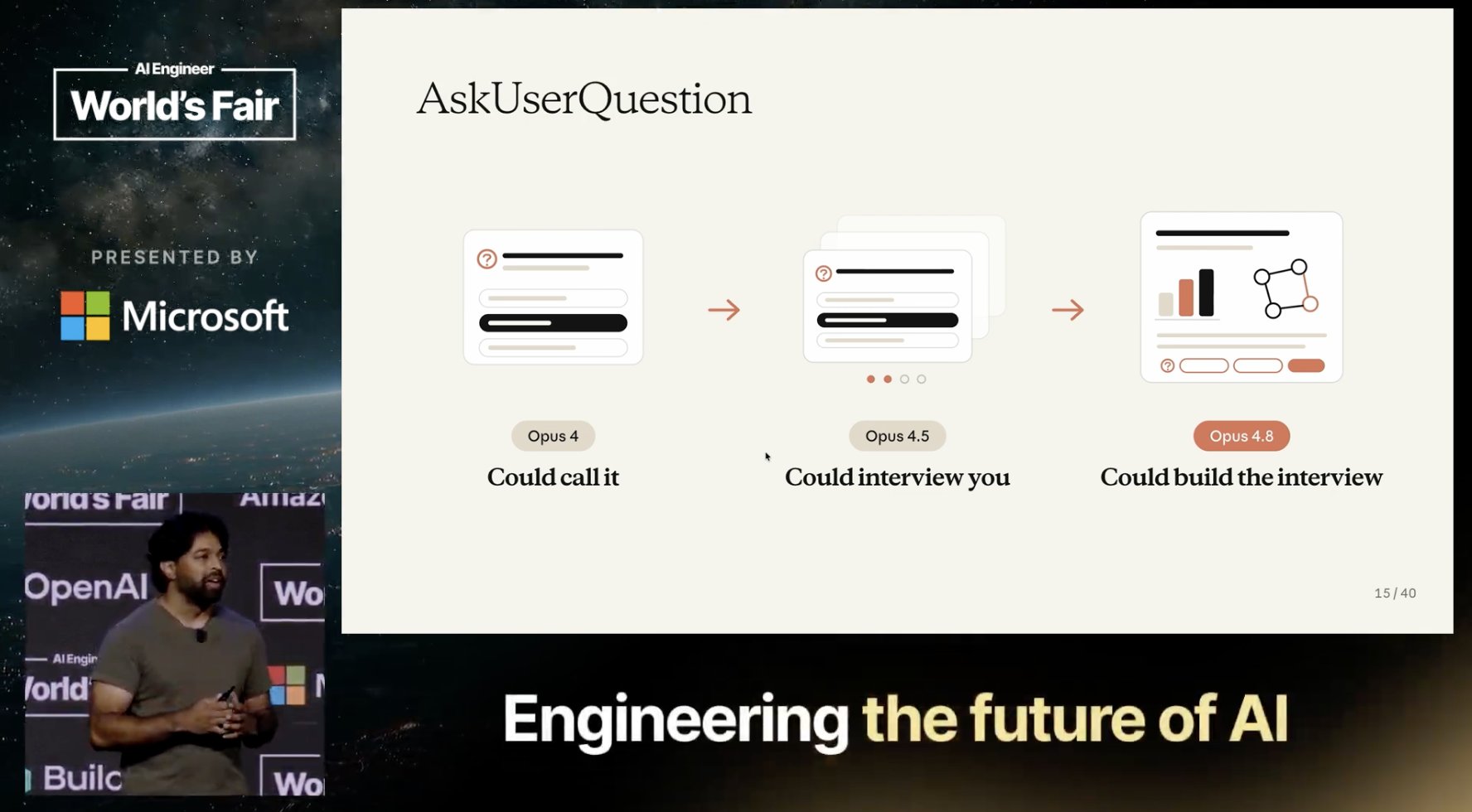
Claude Code, Anthropic’s AI-powered coding assistant, can scan an entire codebase and work across multiple files and tools to complete development tasks. A trimmer system prompt means the model has more room to think, rather than wading through layers of instructions telling it how to think.