Ferrari and BMW ditch copper wiring for aluminum — lighter, cheaper, and increasingly inevitable
Copper has been the default material for electrical wiring since Alessandro Volta stacked his first battery two centuries ago. Now, Ferrari and BMW are pulling it out of their cars and replacing it with aluminum.
The two automakers are following Tesla and several Chinese EV startups, who made the switch earlier. JPMorgan estimates that aluminum will displace roughly 2% of global copper demand this year alone.
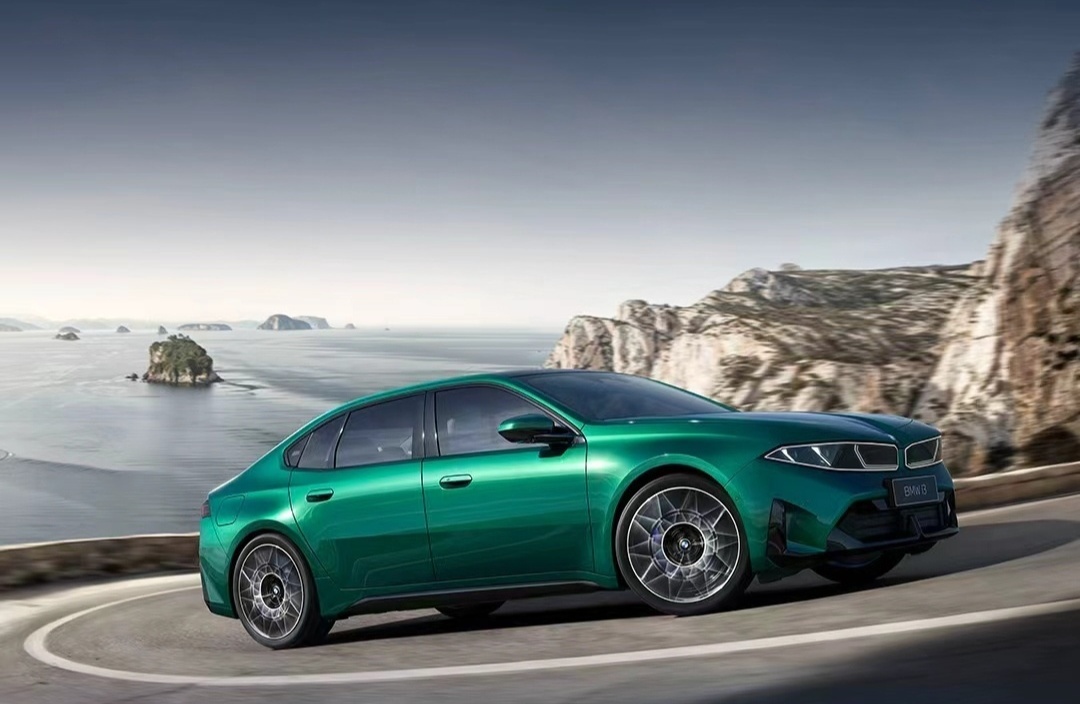
The timing is no coincidence. Copper supply has been tightening for years, while demand from green energy and data centers keeps climbing. In January, copper prices hit an all-time high near $15,000 per ton, making alternatives suddenly look a lot more attractive. Today, aluminum costs about $3,100 per ton — roughly a quarter of copper’s price.
Reuters interviewed 18 automakers, cable and air-conditioning manufacturers, metal producers, and consultants for a report on the trend. The findings were consistent: aluminum is cheap enough, and performs well enough, to replace copper in a growing range of applications.
Ferrari has been using aluminum extensively in body panels, engines, and chassis for years. Last year, the company switched the power cables in its 296 hybrid sports car to aluminum, then extended the change to other models — including the Luce, its first pure EV that launched last month. Ferrari’s head of communications, Dario Esposito, said aluminum wiring can reduce the total weight of a wire harness by up to 20%.
“We chose aluminum not because it’s cheaper, but because the material performs better,” Esposito said.
BMW goes back even further. The company first used aluminum conductors in its 1 Series back in 2011 and has gradually expanded their use across hybrid and electric platforms. The latest eDrive electric drivetrain, introduced last year, uses aluminum in both high-voltage and low-voltage systems. A source told Reuters that Stellantis has also started replacing copper wiring with aluminum.
The shift is especially valuable for EV makers. Aluminum’s lighter weight helps offset battery mass and extends range, while lower material costs improve margins — a critical advantage in China’s brutal EV price war. Avatr, XPeng, and Xiaomi have already adopted aluminum wiring, according to the report.
But the transition is not frictionless. Aluminum is less conductive than copper, so moving the same amount of current requires more material. Aluminum production is also energy-intensive and carries a higher carbon footprint. US tariffs add another layer of complexity for companies with cross-border supply chains.
Still, the momentum is clear. JPMorgan projects that under one plausible scenario, aluminum could displace around 6% of global annual copper demand by 2030.