18 of the top 20 pharma companies already use NVIDIA's BioNeMo. Now it connects to Claude Science.
NVIDIA’s BioNeMo AI toolkit now plugs directly into Anthropic’s Claude Science workbench, the company announced Tuesday. The integration lets life science researchers describe tasks in natural language — analyze a genome sequence, predict a protein structure, design a potential drug candidate — and have AI agents route the work to NVIDIA’s accelerated computing stack.
18 of the top 20 pharmaceutical companies are already using BioNeMo for drug discovery, genomics, medical imaging, molecular design, and protein engineering.
Claude Science, Anthropic’s research-focused AI workbench, handles the high-level orchestration. A researcher types out a request in plain English. Claude Science dispatches it to domain-specific agents that manage the underlying tools: genomics analysis, proteomics, single-cell studies, cheminformatics, clinical research support. Those agents then call on NVIDIA’s BioNeMo Agent Toolkit, a collection of pre-built skills that connect to accelerated models, microservices, and scientific computing capabilities.
The speed gains are substantial. NVIDIA’s Parabricks compresses genome analysis pipelines from hours to minutes. RAPIDS-singlecell, developed jointly with scverse, processes 1.3 million cells through preprocessing and clustering in 25 seconds — down from 52 minutes. And nvMolKit accelerates similarity searches and conformer generation by up to 3,000x.
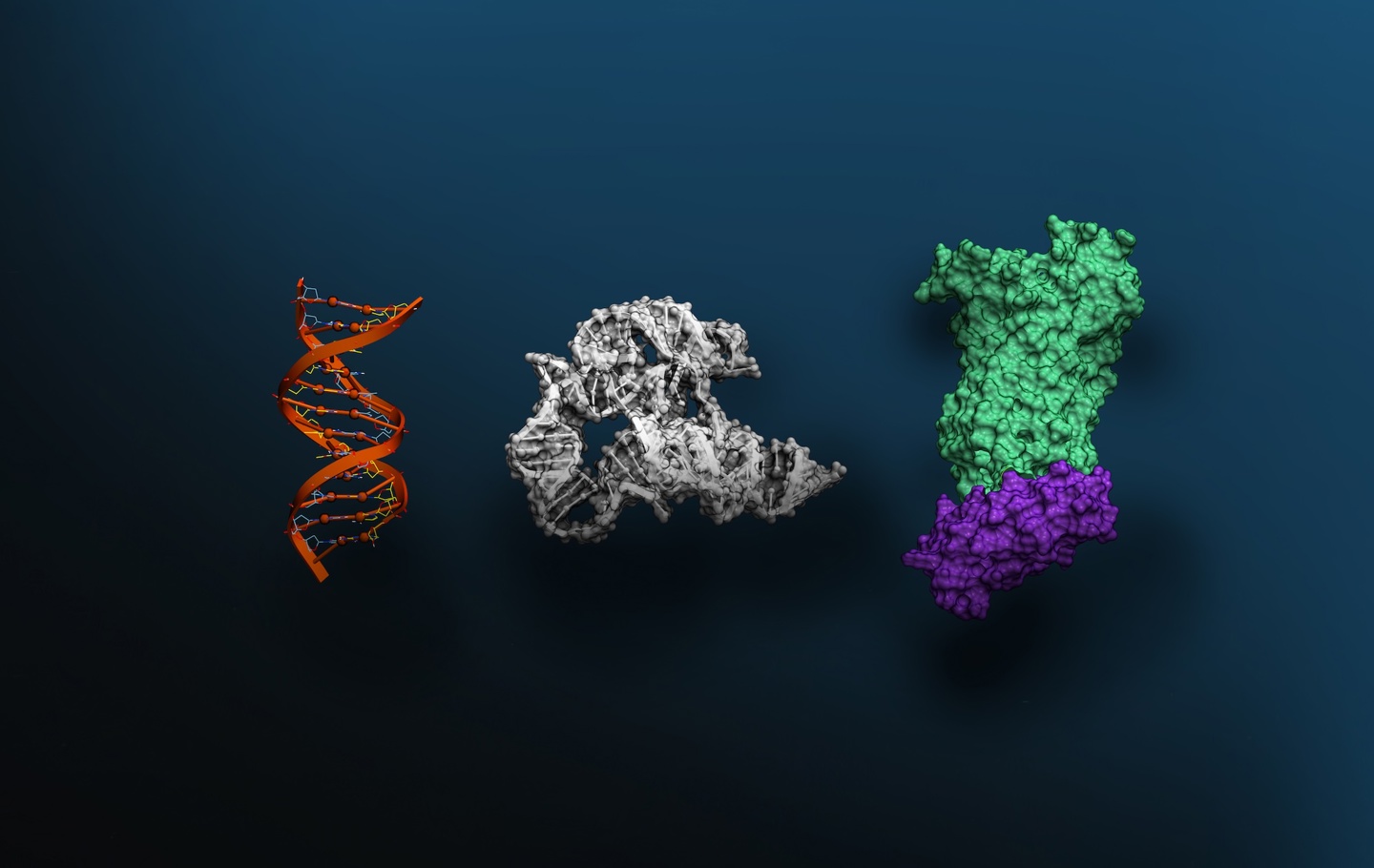
BioNeMo also ships with open models accelerated by NVIDIA’s libraries, so agents have purpose-built scientific models at every step of a workflow — not generic LLMs forced into a biology-shaped hole.
The toolkit is available now through NVIDIA’s developer portal and on GitHub.