Huawei's Next Laptop Ditches Bluetooth for China's Faster NearLink Wireless
There’s a quiet war happening in wireless connectivity, and the latest battlefield is a Huawei laptop you haven’t seen yet.
A Huawei notebook bearing the model number SLM-W32 has passed certification from the NearLink Alliance (formerly known as the StarFlash Alliance), according to listings on the alliance’s official website. The certification covers SLE RF conformance, basic service layer protocol conformance, and HID protocol conformance tests — meaning this laptop will ship ready to connect with NearLink keyboards, mice, and game controllers out of the box.
NearLink is China’s homegrown alternative to Bluetooth and Wi-Fi. An alliance of more than 1,200 domestic companies and research institutions has been developing it since 2020, and the technology received national standard approval in 2025 — a formal endorsement that signals Beijing sees it as a foundational piece of the country’s IoT plans.
The performance numbers are the part that actually matters. NearLink claims six times the throughput of Bluetooth at just 60 percent of the power draw. Latency drops to 125 microseconds — roughly 1/30th of what traditional short-range wireless can manage — and the standard offers significantly better interference handling and concurrent device support.
Those specs translate into real differences for consumers. A NearLink mouse can hit a polling rate of 8,000 Hz — eight times what a typical 2.4 GHz wireless mouse delivers. For esports players, that kind of input lag reduction is the difference between a hit and a miss.
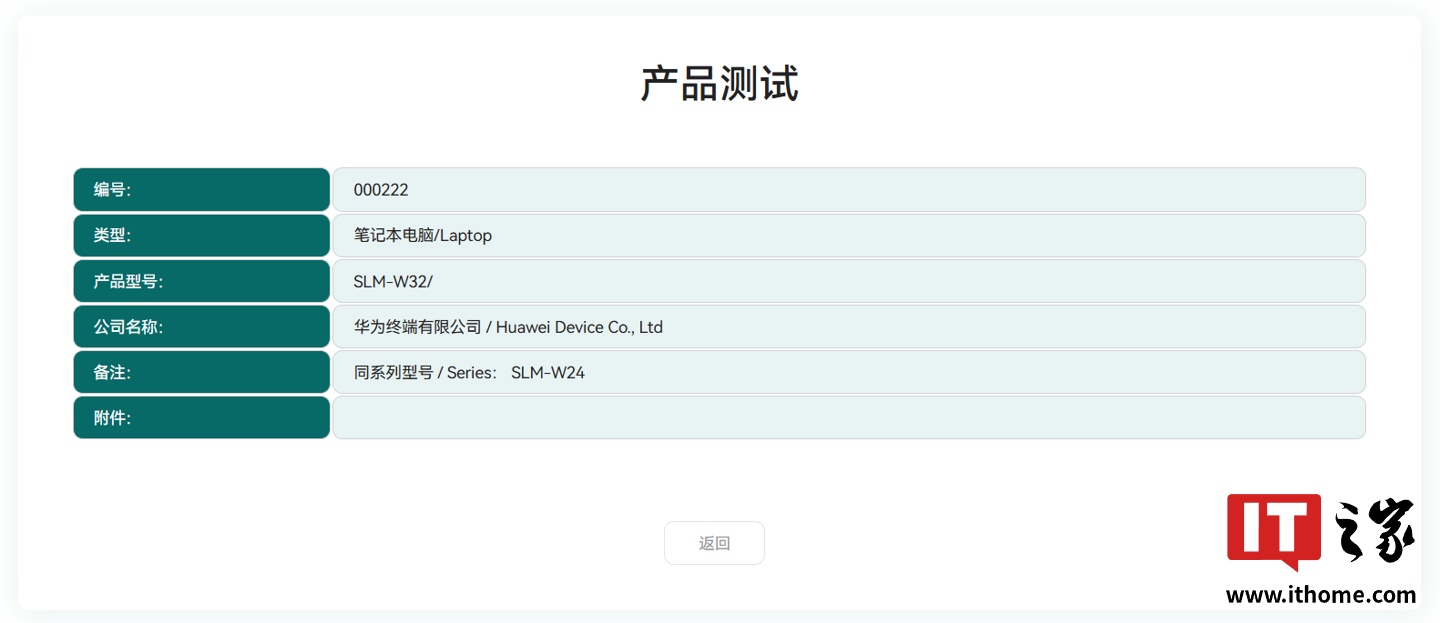
Huawei hasn’t announced a launch date for the SLM-W32 yet. For context, the company’s current HarmonyOS laptop lineup includes three models: the MateBook 14 HarmonyOS Edition (powered by the Kirin X90 processor, with up to 32 GB of RAM and 1 TB of storage, starting at ¥6,599), the MateBook Fold, and the MateBook Pro. There’s also the MatePad Edge, a HarmonyOS-powered 2-in-1 tablet. Where the SLM-W32 fits in — or whether it’s a new product tier altogether — remains unclear.
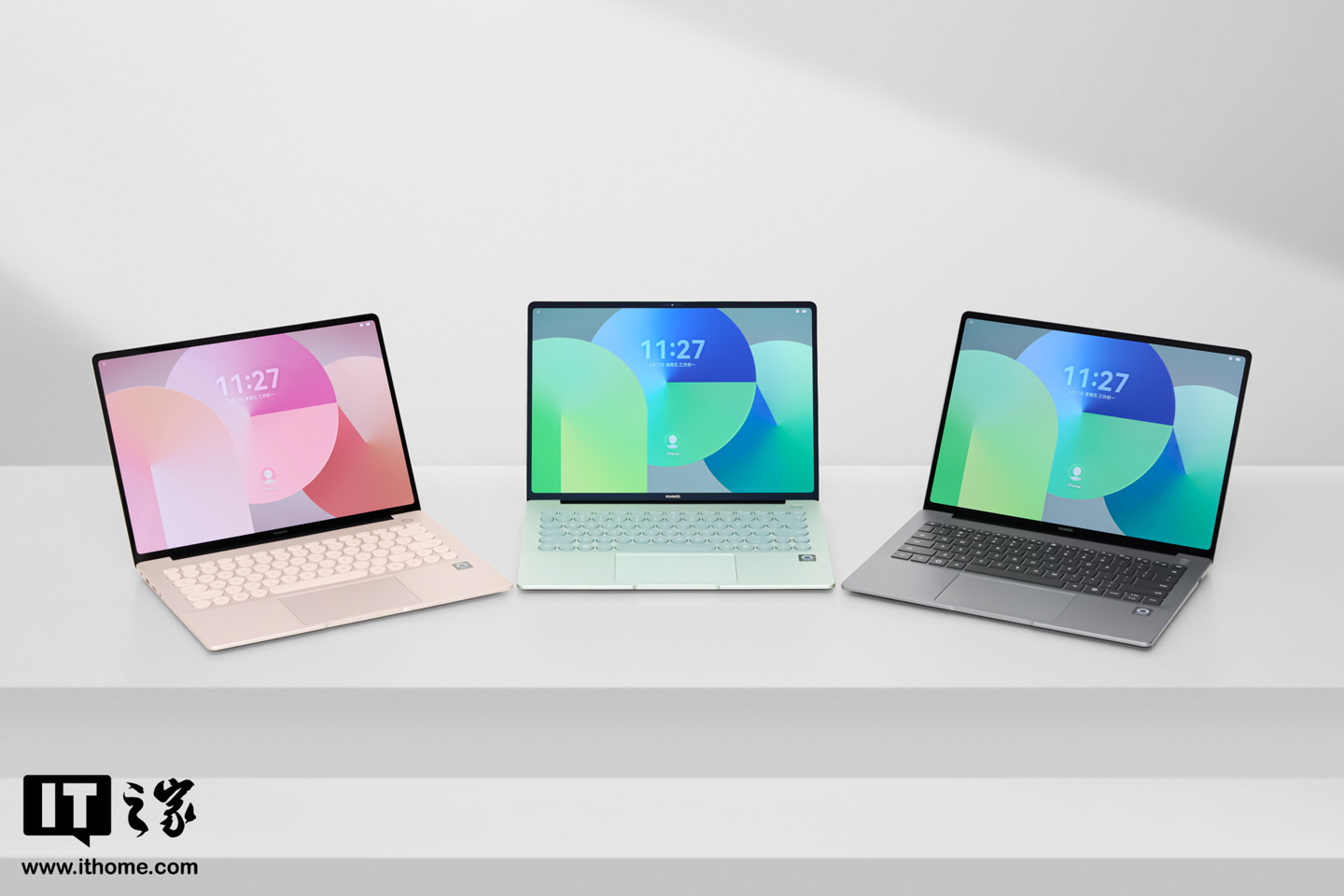
NearLink HID peripherals — mice, keyboards, controllers — are already the standard’s first real beachhead in consumer electronics, and certification like this one matters because it signals that device makers are building the receiver-side hardware into their products. Without laptops and tablets that speak NearLink natively, the ecosystem never gets off the ground.
The broader story here isn’t about one laptop model. It’s about the steady decoupling of China’s consumer electronics supply chain from Western-owned standards. NearLink doesn’t need Bluetooth SIG certification. It doesn’t pay royalties to the Wi-Fi Alliance. And with more than 1,200 organizations behind it, the standard has the critical mass to compete globally anywhere Chinese-brand hardware ships.