China's heat-resistant material can handle 1000°C — and you can hold it bare-handed
Heat management is the silent killer of reusable rockets. Burn up on reentry, or carry so much shielding the payload vanishes — either way, the economics fall apart. Chinese engineers say they’ve cracked a big piece of that puzzle.
Hao Xiaodong, an academician at the Chinese Academy of Engineering, demonstrated the material on state broadcaster CCTV this weekend. A sample was placed inside a furnace at over 1000°C, pulled out fully intact — and then picked up bare-handed.
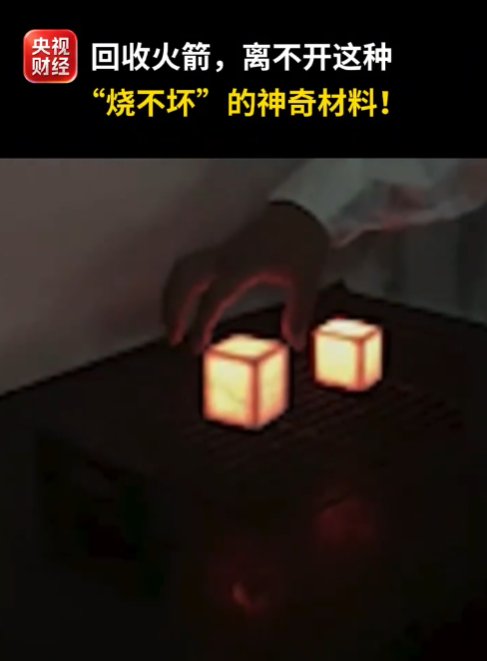
“You can’t let it burn through. It has to fly again and again, and the demands of reuse are far tougher than single-use materials,” Hao said. “When we took it out, the heat couldn’t conduct through. The edges had blackened, meaning the heat had already dissipated. The insulation performance is excellent.”
The material’s ability to shed heat instantly rather than store it is what makes the trick work. Most high-temperature ceramics hold heat and would burn a hand on contact; this one appears to radiate thermal energy fast enough to be safe within seconds.
Hao confirmed that China’s thermal insulation technology is now at the world’s top tier — a quiet but important data point as the country accelerates its reusable launch vehicle program.
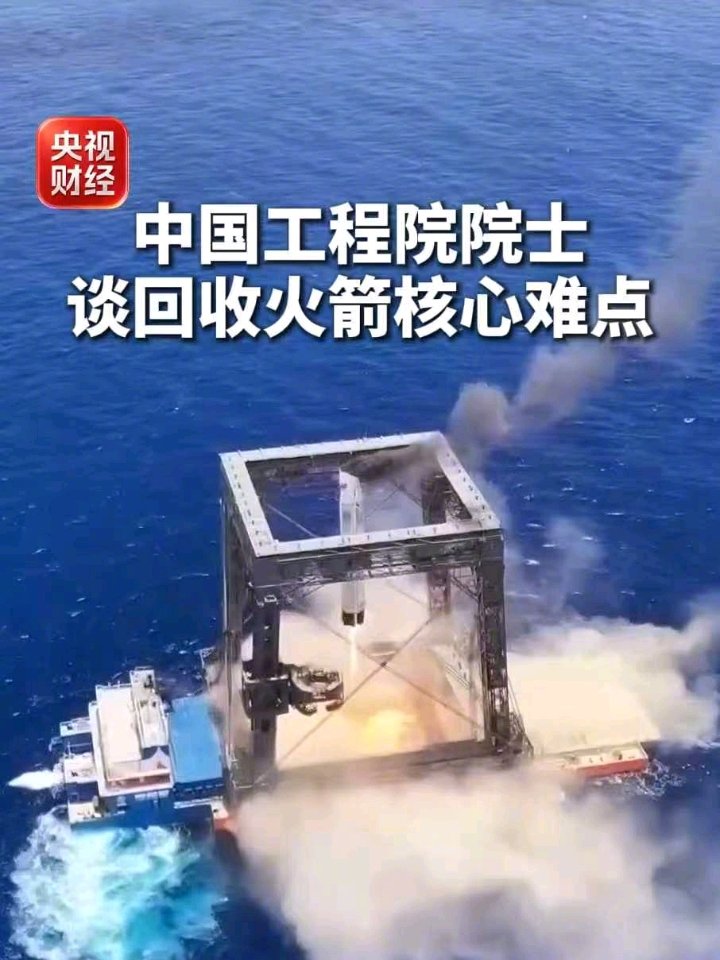
The timing is anything but accidental. On July 10, China’s Long March 10B lifted off from the Hainan Commercial Space Launch Center. About six minutes after stage separation, the first stage executed a controlled vertical descent and landed on an offshore recovery platform. It was China’s first successful controlled recovery of a rocket first stage — and globally, the first time a net-capture system was used for the job.
Reusable rockets demand materials that can survive multiple thermal cycles without degradation. A single-use heat shield can char, crack, or ablate; a reusable one has to hold its shape and properties across dozens of flights. The economics of reusability fall apart if you have to replace the insulation every time.
China’s space program has been working toward full rocket reusability for years, with the Long March 10B serving as the testbed. The vehicle is designed eventually to carry crew and cargo to China’s space station, and the recovery success in July was a critical milestone on that roadmap.
Hao did not disclose the material’s exact composition or whether it has already been integrated into operational rockets. But the demonstration — a 1000°C block you can hold in your hand — makes the claim hard to ignore.