Intel Confirms CPU Price Hikes — Xeon Server Chips Up 7–12%
The memory price rally that has pushed up DRAM and NAND flash costs over the past few months now has a new passenger. Intel confirmed Monday that it is raising prices on a portion of its processor lineup, making CPUs the latest core component to join what has become a broad industry-wide cost escalation.
The news first surfaced through Chinese financial media Yicai, and Intel confirmed the adjustment in response to inquiries. The company described the move as a routine response to market dynamics, saying price changes are based on “continuous monitoring of supply chain and related costs.” That is corporate-speak for what the market already knows — component costs across the board have been climbing, and Intel is passing some of that along.
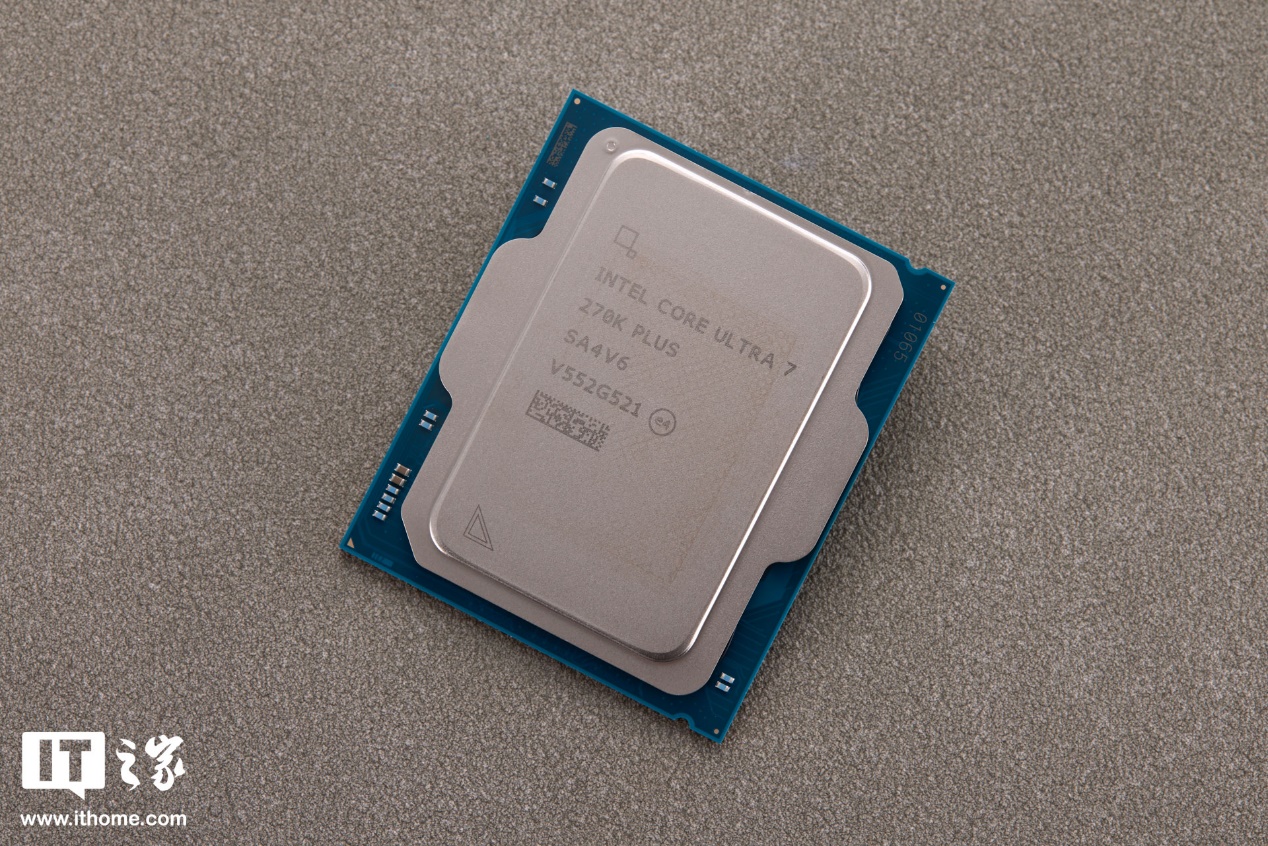
The hikes are not across the board. On the server side, high-end Xeon processors are taking the largest hit with increases of 7 to 12 percent. Entry-level Xeon chips are essentially unchanged. For consumers, the price adjustments focus on specific SKUs in the Core Ultra lineup — the Ultra 7 270K Plus and Ultra 5 250K Plus among them. Anyone buying a mainstream Core i5 or i3 desktop chip is unlikely to see a difference at checkout.
The timing is notable. Memory makers like Samsung, SK Hynix, and Micron have been raising prices for quarters now, driven by HBM demand and a tighter supply-demand balance in conventional DRAM and NAND. That has already pushed up PC and server build costs. Intel’s confirmation that CPU pricing is following the same trajectory means system builders — and eventually buyers — face pressure from two sides at once.
There is a strange counter-current here, though. Reports from board partners and channel sources indicate Intel is also restarting production of its 13th and 14th Gen Raptor Lake processors, after earlier winding them down in favor of newer architectures. The move would increase overall supply of older-gen chips — especially 10th, 12th, 13th, and 14th Gen models — potentially flooding the Chinese market in particular with more affordable options. That suggests Intel is trying to have it both ways: raise prices on its current-gen lineup while using older silicon to hold the low end.
The price pressure extends beyond Intel’s own moves. At Computex 2026 in Taipei, multiple motherboard and memory module makers told Tom’s Hardware that the industry is reconsidering DDR4 as a cost-saving measure, pushed by memory shortages and rising DDR5 pricing. If DDR4 starts creeping back into mid-range builds, it would mark a reversal of the transition the industry has been pushing for years.
For now, the headline is simple: Intel CPUs are getting more expensive. The real question is whether the rest of the PC supply chain follows — and whether the parallel ramp-up in older-gen production is enough to keep the budget segment alive.