Japan's RV-X Reusable Rocket Just Completed Its First Flight Test
On Saturday, Japan took a small but meaningful step toward reusable rocket technology. The Japan Aerospace Exploration Agency (JAXA) successfully launched and recovered the RV-X test vehicle at its Noshiro Test Center in northeastern Japan, with officials describing the flight as “completely normal.”
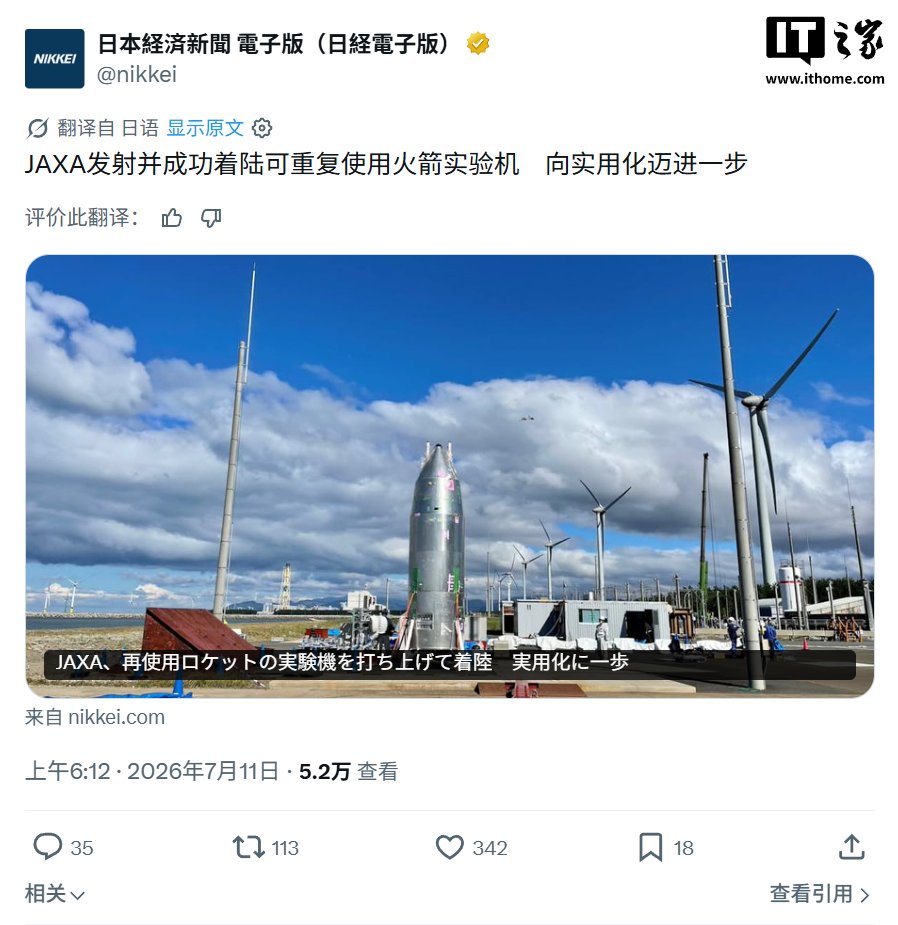
The RV-X is a simulated first-stage rocket body measuring 7.3 meters tall and 1.8 meters in diameter, powered by a liquid oxygen and liquid hydrogen engine. During its 40-second flight, the vehicle rose 11 meters, hovered in a stable upright position, then moved laterally 16 meters before touching down safely.
The test focused on flight control — the kind of precision maneuvering that’s essential for reusable rockets. Unlike expendable rockets that fall away after launch, reusable boosters need to steer themselves back to a landing pad, which requires the vehicle to manage its attitude, throttle, and trajectory simultaneously.
Japan’s push for reusable rocket technology is driven by cost. Launching payloads into orbit remains expensive, and SpaceX’s Falcon 9 has already demonstrated that reusing first-stage boosters can dramatically cut per-launch costs. Japan hopes to bring similar economics to its next-generation launch vehicles, particularly as it plans successors to the H3 rocket — currently the country’s main large-scale launch vehicle.
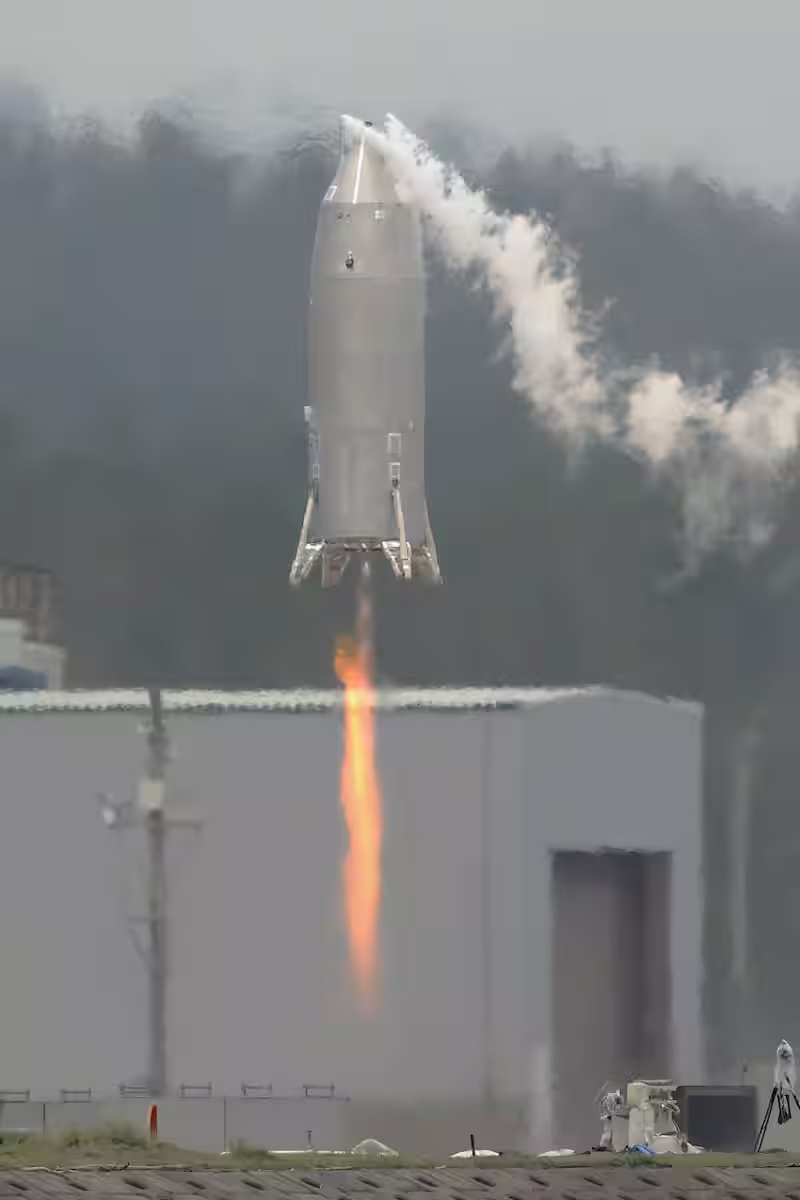
JAXA research and development manager Takashi Ito said the agency will analyze flight data before formally declaring the test a success. “What we can confirm right now is that it was a normal flight,” Ito said. The team will inspect the test vehicle’s condition and decide whether to use the same unit for a second experiment.
Japan’s space program has been steadily expanding its capabilities. While the country has not yet fielded an operational reusable rocket, tests like this one signal that JAXA and its industrial partners are building the technical foundation. The RV-X prototype, modest as its first flight may seem, is part of a long-term effort to keep Japan competitive in an increasingly crowded launch market.