How Japan's Biggest Toilet Maker Became a 1-Nanometer Semiconductor Powerhouse
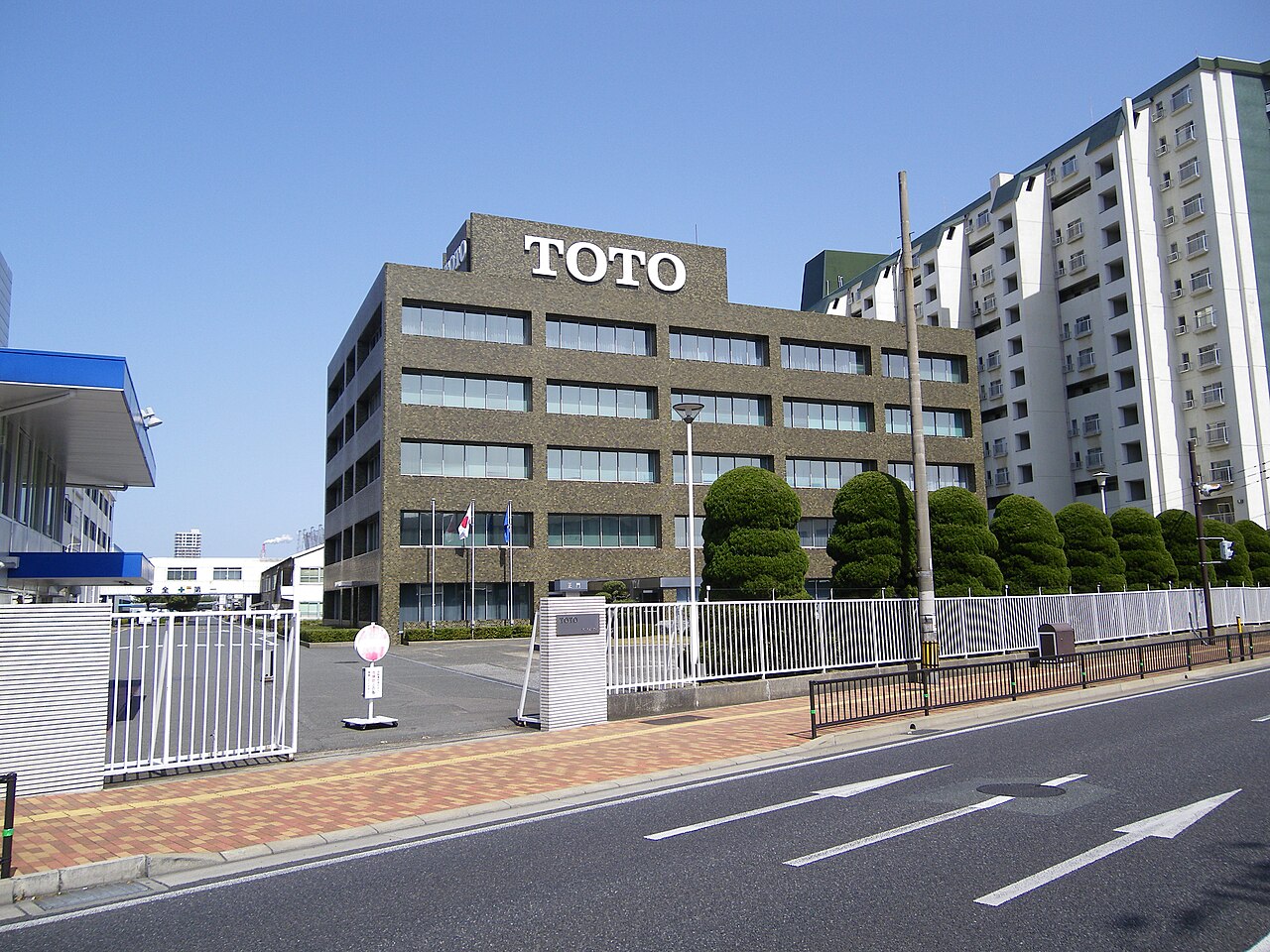
There’s a quiet irony in one of Japan’s most recognizable brand names becoming indispensable to the very apex of computing. TOTO, the company whose heated toilet seats and sleek ceramic basins have graced bathrooms across the world, now earns more profit from holding silicon wafers still during chip fabrication than from everything it sells to consumers. And it’s doubling down.
TOTO plans to invest ¥800 billion — roughly $5.5 billion — over the next five years to expand its semiconductor materials business, targeting the 1-nanometer process node that represents the next frontier in chip manufacturing, IT-NEWS has learned from a Nikkei Asia report. The company’s semiconductor division, which accounts for just a tenth of total revenue, already delivers more than half of the group’s profit, having overtaken the residential equipment business that includes its famed ceramic sanitary ware.
The pivot, decades in the making, traces back to the 1980s, when TOTO began applying its expertise in high-purity ceramic firing to the semiconductor supply chain. Its flagship product is the electrostatic chuck — a precision ceramic component that uses electrical charge to hold semiconductor wafers absolutely still during lithography and etching. The material demands are ferocious: any contamination or thermal inconsistency can ruin chips worth tens of thousands of dollars. TOTO’s ceramics, born from a century of perfecting glazes and kilns, turned out to be a surprisingly natural fit.
At factories near Tokyo in Kanagawa Prefecture, the company is now focused on developing materials compatible with 1-nanometer class circuitry, a target considered several generations ahead of current mainstream technology. For context, TSMC — the world’s largest contract chipmaker — has only recently achieved volume production of 2-nanometer logic chips. The narrower the circuit line, the more unforgiving the manufacturing environment becomes, and the more valuable TOTO’s contribution.
The numbers tell a stark story. In the fiscal year ending March 2026, TOTO’s New Domain business — the unit housing semiconductor materials — reported revenue of ¥67.4 billion ($460 million), up 34 percent year on year. Operating profit surged 42 percent to ¥28.9 billion ($197 million), a margin most software companies would envy. The division now comfortably out-earns the lavatories and bathroom fixtures that made the company a household name.
TOTO is racing to keep up. Its existing plants in Oita and Fukuoka, on the southwestern island of Kyushu, are already running at full capacity. A new firing facility in Fukuoka is expected to come online in January 2027, and the company has signaled it will build entirely new factories if demand continues to outstrip supply after the current investment cycle.
The transformation mirrors a broader shift rippling through Japanese industry. The artificial intelligence boom has created insatiable demand for advanced packaging materials, specialty chemicals, and precision components that sit upstream of the headline-grabbing chip designers. Companies that once sold to construction firms and home improvement stores are finding their kilns and reactors repurposed for the world’s most exacting industrial process. TOTO, for its part, seems to have seen the future decades before anyone else noticed it was already here.