Mitsubishi Admits It Can't Afford to Develop Electric Vehicles Independently
Mitsubishi, once a pioneer in the electric vehicle market, has now found itself unable to fund the development of its own EV platform. CEO Takao Kato made the candid admission at a shareholder meeting on June 18, explaining that building a standalone electric model requires “massive investment” — and that a sales flop could create serious financial trouble for the automaker.
The company’s latest EV offering, the Eclipse Sportback, tells the story plainly: it is not a ground-up Mitsubishi design, but a rebadged Nissan Leaf. The badge-engineering strategy has become Mitsubishi’s go-to approach as it navigates an increasingly expensive EV transition without the balance sheet to match.
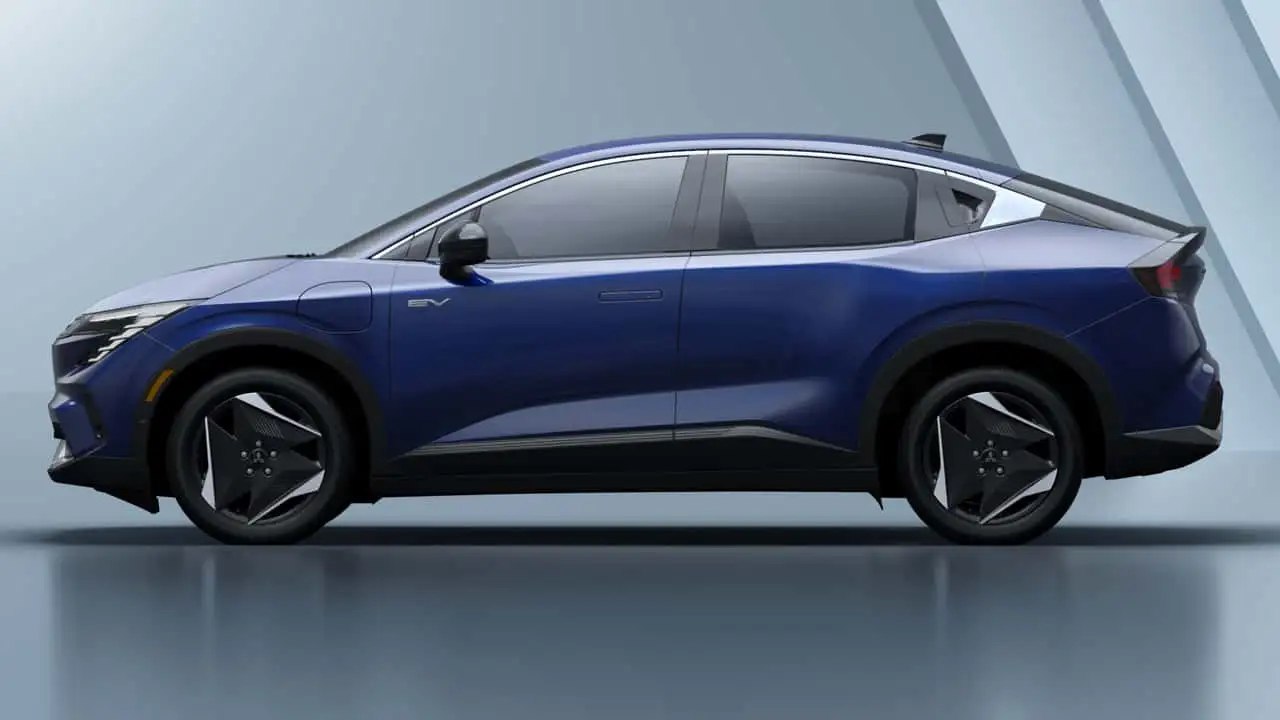
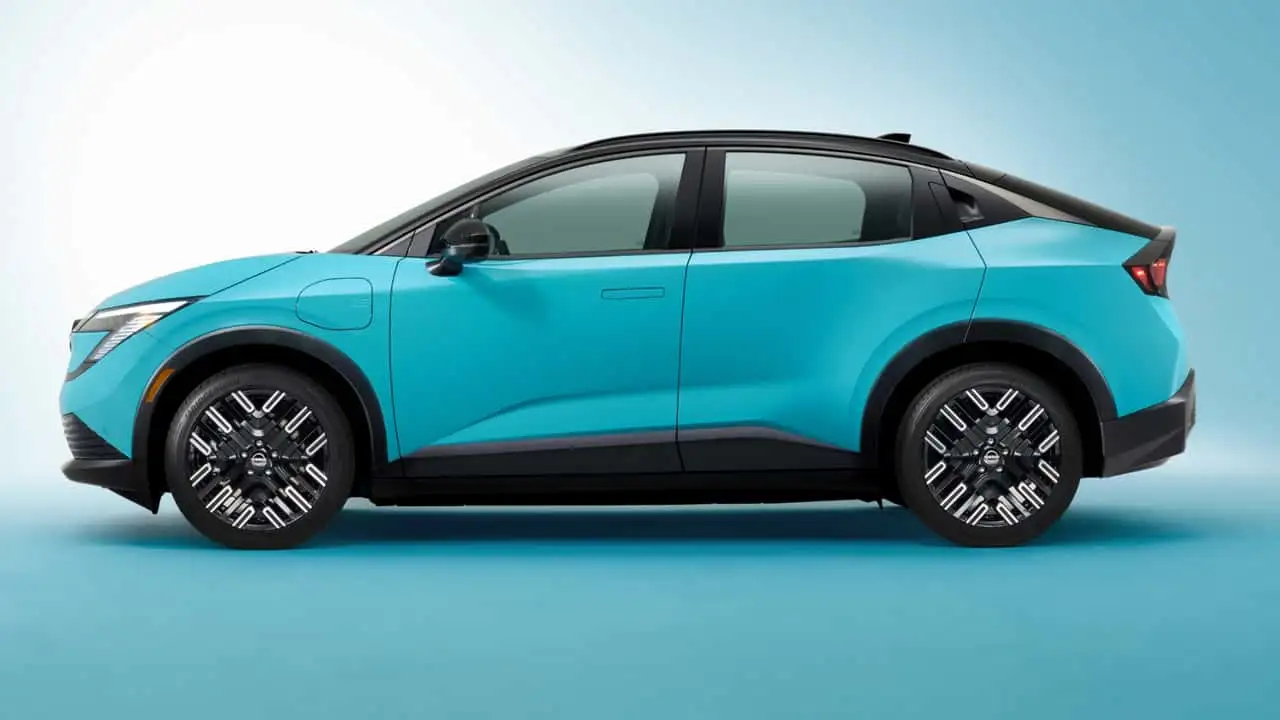
“The reality is that the global pure EV market growth has slowed, and at this stage we will respond through partnerships,” Kato told shareholders. The caution is warranted. Honda recently scrapped its 0 Series models on the eve of launch, taking a restructuring charge of nearly $16 billion. Mitsubishi is far smaller — it sold roughly 884,000 vehicles globally in 2025, compared to Honda’s 3.396 million — meaning a comparable misstep could prove existential.
The irony is sharp. Mitsubishi launched the i-MiEV in 2009, making it one of the first automakers to enter the modern EV era. Yet that early lead never translated into a second generation. A handful of electric kei cars sold in Japan never made it to the US market, and the company has since leaned heavily on its alliance partners.
Later this year, Mitsubishi will unveil another EV, this one manufactured by Foxconn in Taiwan and aimed primarily at Japan and Australia — the US market appears off the table. The current Eclipse Cross EV, meanwhile, rides on a platform borrowed from the Renault Scenic E-Tech.
The partnership dynamic has even reversed in some cases. Mitsubishi’s Outlander PHEV, built on a Nissan Rogue platform, has been so successful that Nissan recently began rebadging it as the Rogue PHEV — a rare case of the junior partner’s product flowing back upstream.
For now, Mitsubishi’s EV strategy is one of survival through cooperation. Whether that proves sustainable as competitors pour billions into dedicated electric platforms remains an open question.