Nubia unveils NaviX Ultra at WAIC — a phone built around an on-device AI agent
Nubia took the wraps off the NaviX Ultra at WAIC in Shanghai on Sunday, positioning it as the first smartphone built entirely around a locally-run AI agent. The device ships with ByteDance’s Doubao assistant baked in and a dedicated orange button on the side to call it up.
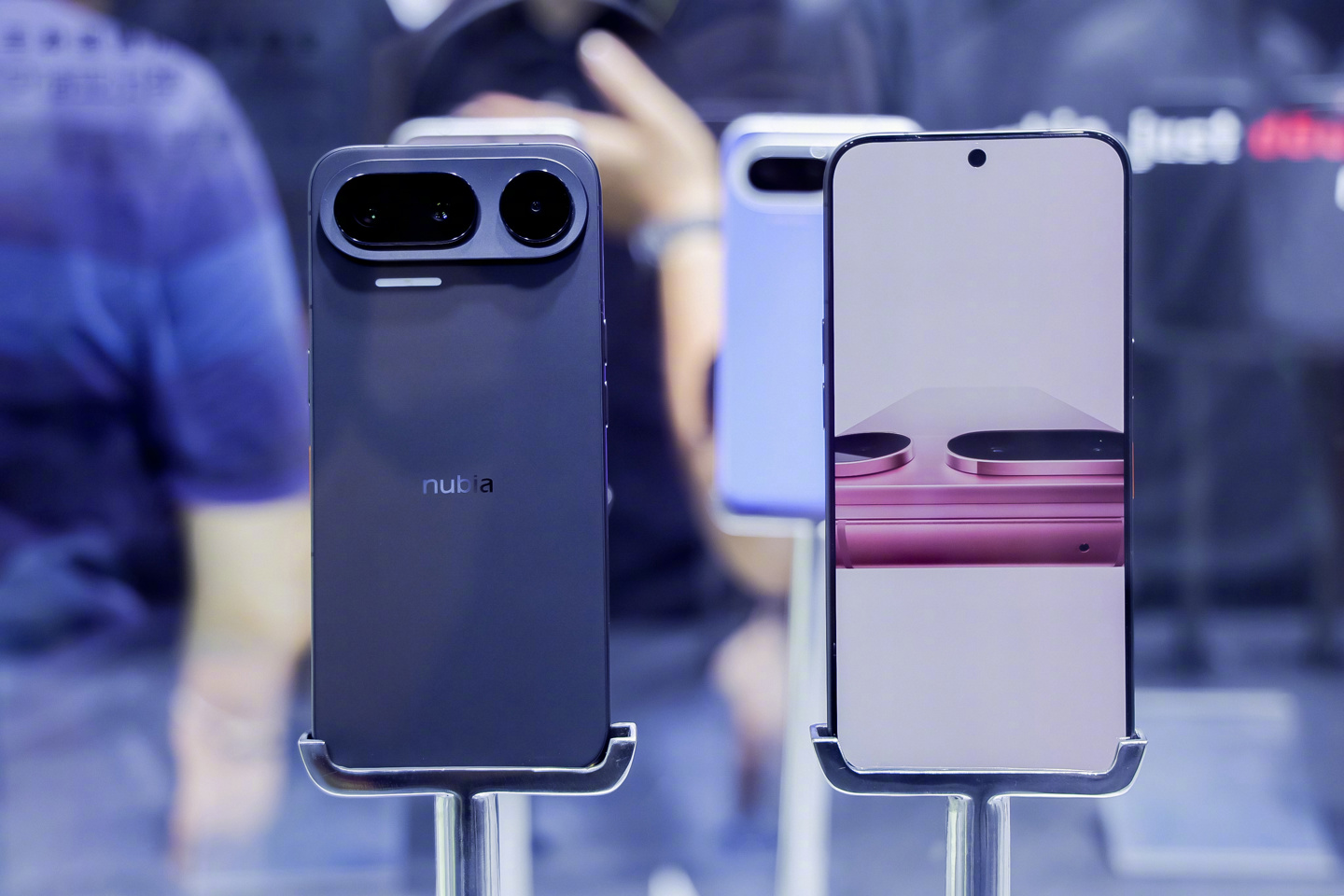
The pitch is simple but technically ambitious: everything the AI does — understanding natural language, chaining together multi-step tasks across apps, remembering context — happens on the device itself. No cloud upload, no server-side inference. Ni Fei, president of ZTE’s terminal division and Nubia Technology, said the partnership with ByteDance has been in the works since an earlier prototype codenamed M153.
“Doubao brings strong large-model and agent capabilities,” Ni Fei told financial media. “Nubia contributes the software, hardware, engineering, quality control, distribution, and service side. We’ve gone through a full technology validation and product iteration cycle to get here.”
The orange AI button isn’t just a shortcut. It’s designed to signal that the phone has a dedicated pathway for agentic tasks — price comparison across shopping apps, building travel itineraries, weaving together calendar, maps, and messaging without the user jumping between screens.
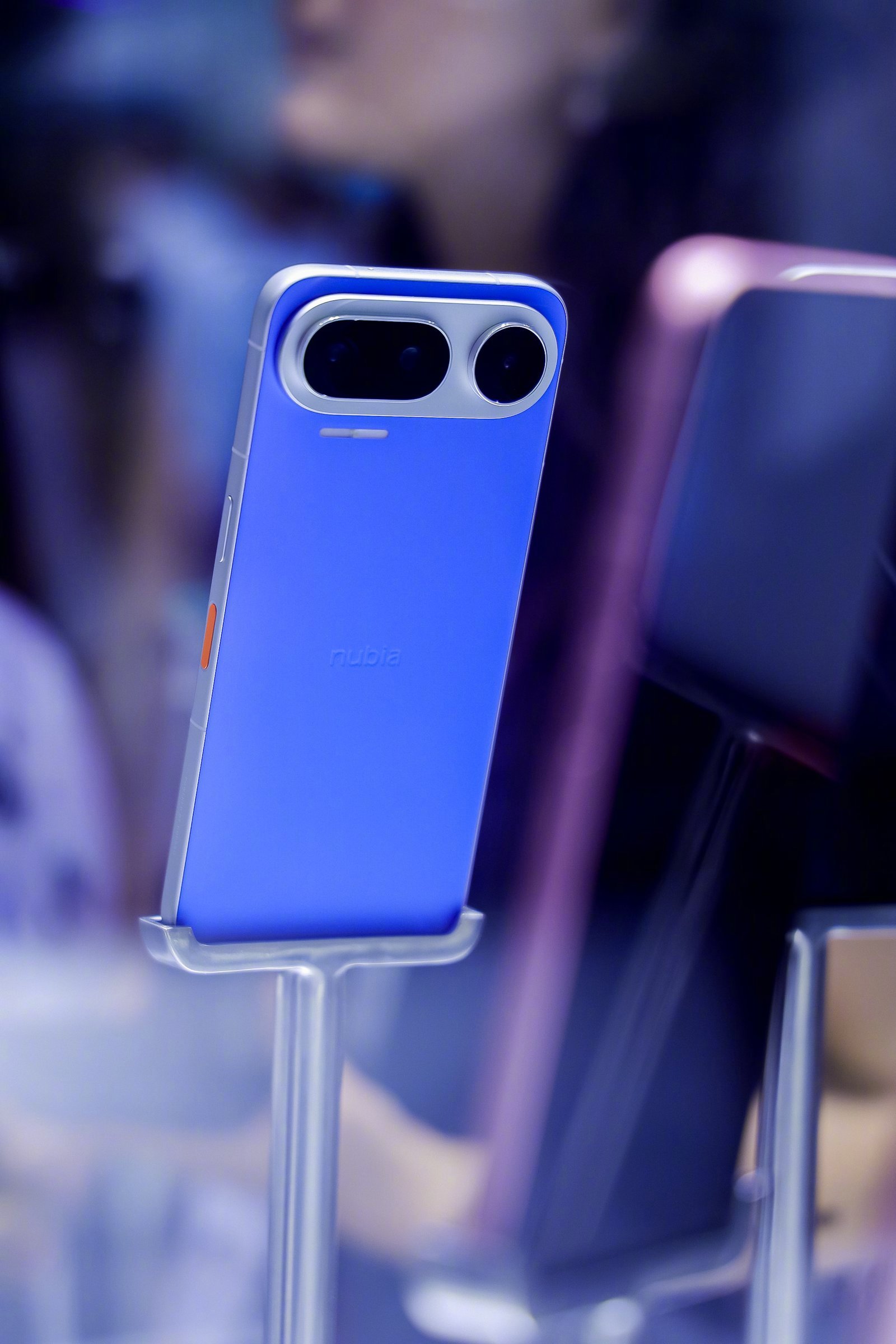
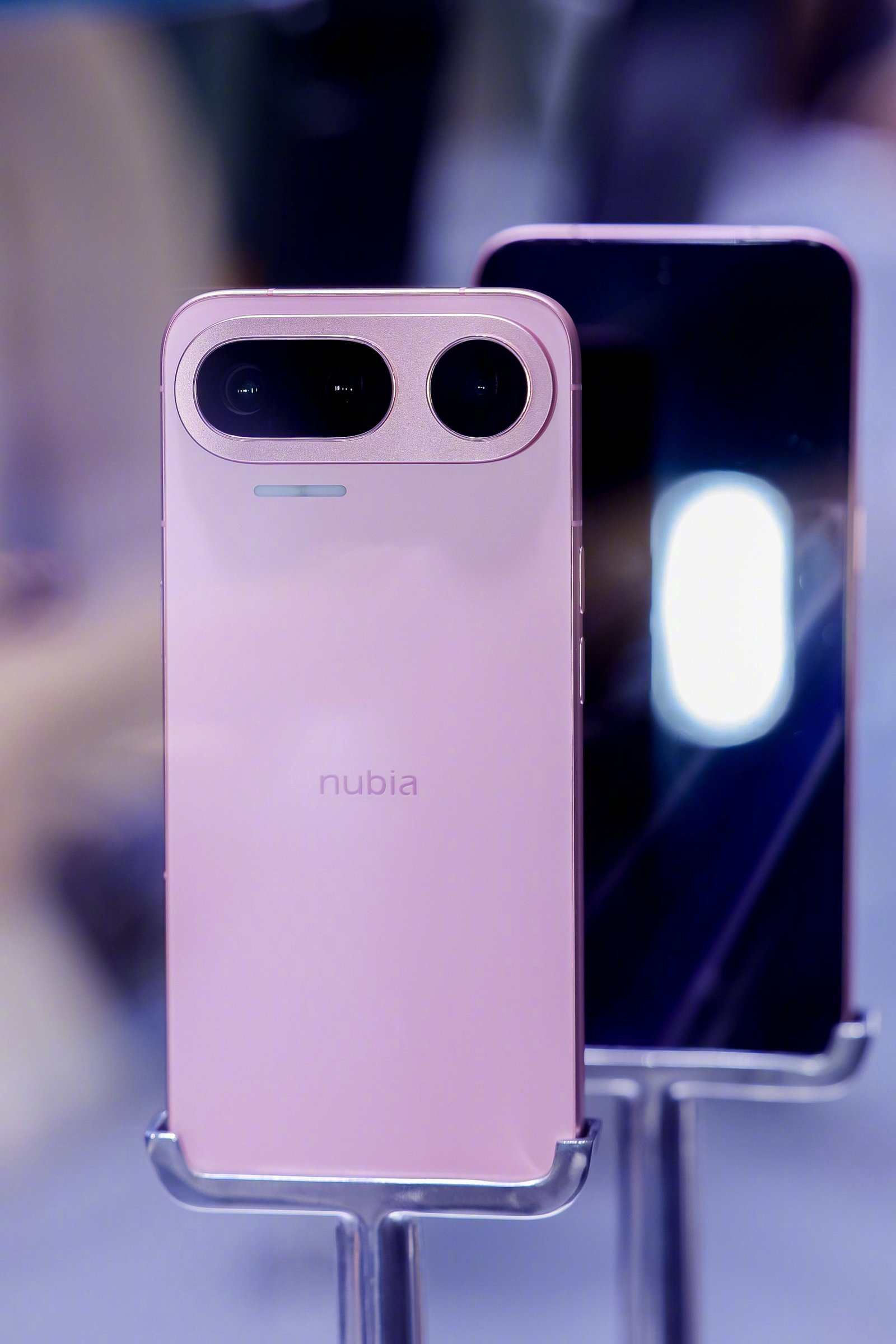
The hardware is striking in a few deliberate ways. The camera module is a horizontal strip — a long pill-like bar across the upper back — that houses a triple camera system including a periscope telephoto. It’s a clean break from the circular islands that dominate most phones right now. The “Dream” color variant commits fully to a pink theme, even coloring the camera deco to match. Other options include Blue Void, Obsidian Black, and Snowfield.
On the front, the NaviX Ultra uses a flat display with a centered punch-hole selfie camera and thin, even bezels. The rumored spec sheet is aggressive: a Snapdragon 8 Elite Gen5 processor, a 7000mAh silicon-carbon battery with 90W to 100W wired charging plus wireless charging, a 50-megapixel main camera joined by an ultrawide and the periscope telephoto, and a 50-megapixel front camera.
Ni Fei framed the on-device approach as a privacy advantage. Because the large model runs entirely on the local NPU, user data never leaves the phone. Nubia also passed China’s generative AI filing process, which he said gives the company additional compliance cover.
Nubia hasn’t announced pricing or a release date yet. But with WAIC as the launch stage and ByteDance’s AI stack inside, the NaviX Ultra is a clear signal that Chinese phone makers see on-device agents — not just chatbot wrappers — as the next battleground.