OpenAI is killing its ChatGPT Atlas browser — and folding its features into Chrome
OpenAI’s experiment with building its own browser is over. The company confirmed Thursday that ChatGPT Atlas, the desktop browser it launched less than a year ago, will be discontinued on August 9.
Product manager James Sun posted the news on X, saying Atlas’s features will be folded into new products. OpenAI plans to send detailed instructions via email and push notifications in the coming days.

The decision follows a broader cost-cutting push inside OpenAI. Months ago, Fidji Simo, the company’s head of applications, told teams to reduce “side projects.” The first casualty was Sora, OpenAI’s AI video generation tool.
The browser market has become an unlikely battleground for AI companies. Perplexity launched Comet. The Browser Company released Dia. Google and Microsoft have been layering AI features into Chrome and Edge. Everyone wants to be the gateway to the internet.
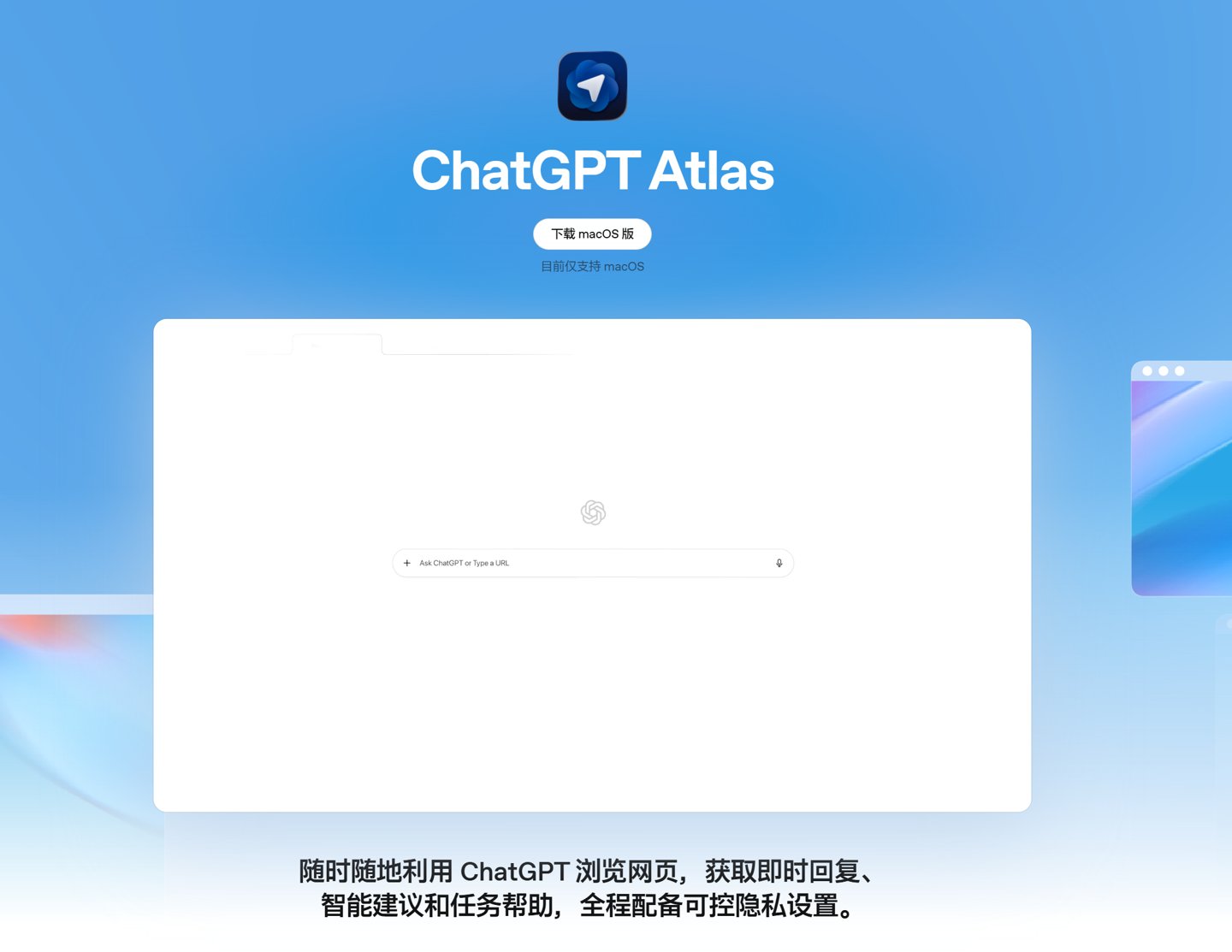
After months of trying, OpenAI appears to have concluded that a browser is a tool, not a destination. Instead of building its own, the company is moving Atlas’s agentic capabilities into the environments users already live in.
That means a ChatGPT extension for Chrome is in development — it will read the context of whatever page a user is on, letting them ask questions or summarize content without switching windows. OpenAI is also upgrading the ChatGPT desktop app with a proper built-in browser that can navigate websites, log into accounts, and download files.
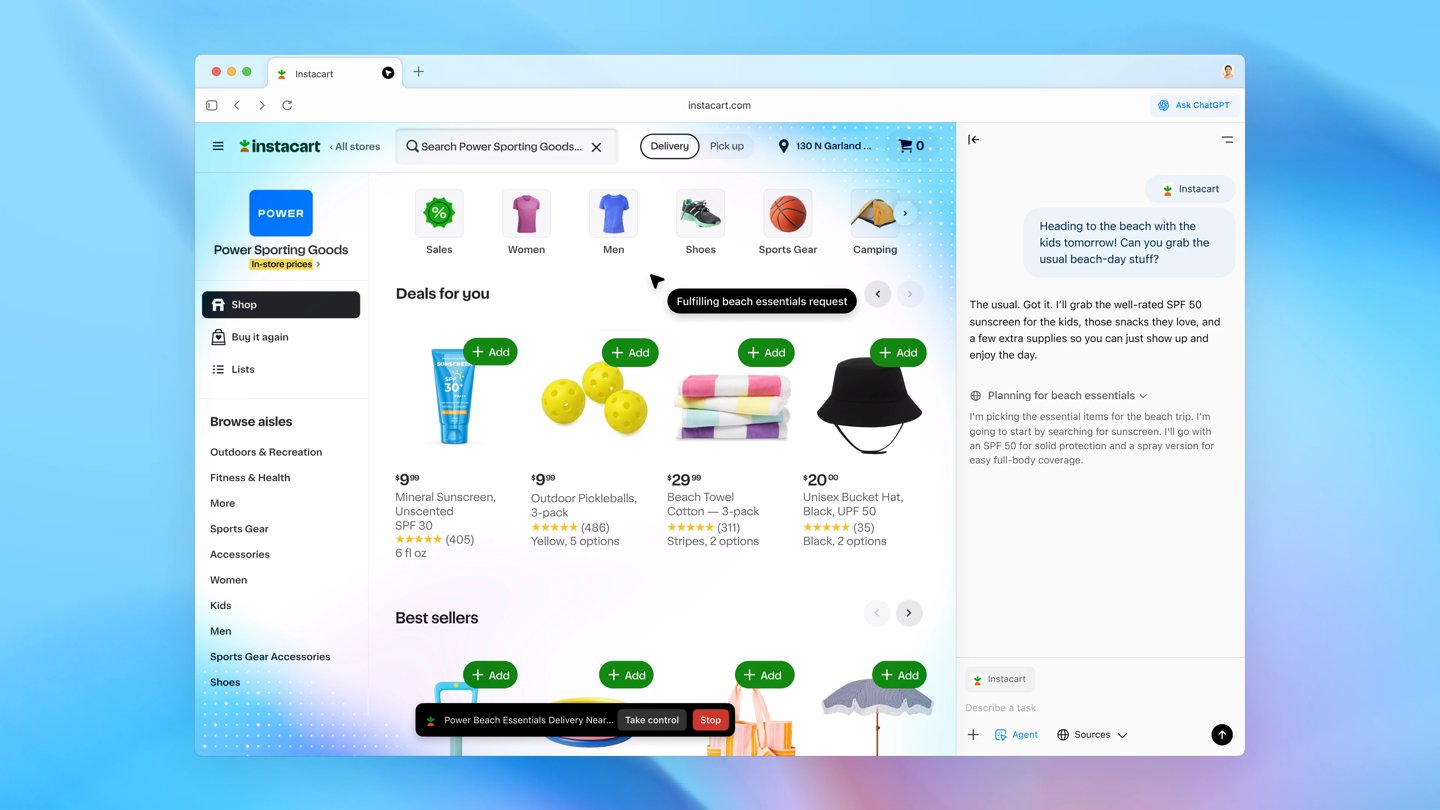
There’s a third layer that doesn’t live on the user’s machine at all: a cloud-based browser that runs on OpenAI’s servers. This is the runtime for ChatGPT agents — when you ask an AI to perform a web-based task, it opens a headless browser in the cloud and works through it step by step.
The shift makes strategic sense. OpenAI tried to own the entire browser experience and found it wasn’t worth the cost. Now it’s betting that users don’t need a new browser — they need their existing browser to be smarter.