Redmi Note 17 Pro packs a 9000mAh battery — and survived our drop test
What makes a smartphone worth keeping for three years? For most people, it’s not the camera. It’s not the processor speed, either. It’s whether the phone survives the second drop, and whether the battery still makes it through a full day eighteen months in. Xiaomi’s Redmi Note 17 Pro, launched Tuesday evening, goes hard on exactly those two things.
The headline number is a 9000mAh battery, the largest ever in a Redmi phone. Xiaomi is using its “Jinshajiang” silicon-carbon cell tech here, with 13% silicon content and an energy density of 842Wh/L. In practical terms, IT-NEWS ran a two-hour mixed-use battery test: 30 minutes of Genshin Impact at max settings, 45 minutes of 1080p video streaming, 15 minutes of Weibo scrolling, 20 minutes of Douyin, and 10 minutes of web browsing. The phone dropped only 11% charge, ending at 89%. That’s the kind of number that makes two-day charging a realistic proposition for most users, and even heavy gamers should get through a full day without anxiety.
Charging is 67W wired, which fills the 9000mAh cell from zero to full in 86 minutes. Not the fastest on the market, but reasonable given the sheer capacity.
The “Little King Kong” durability
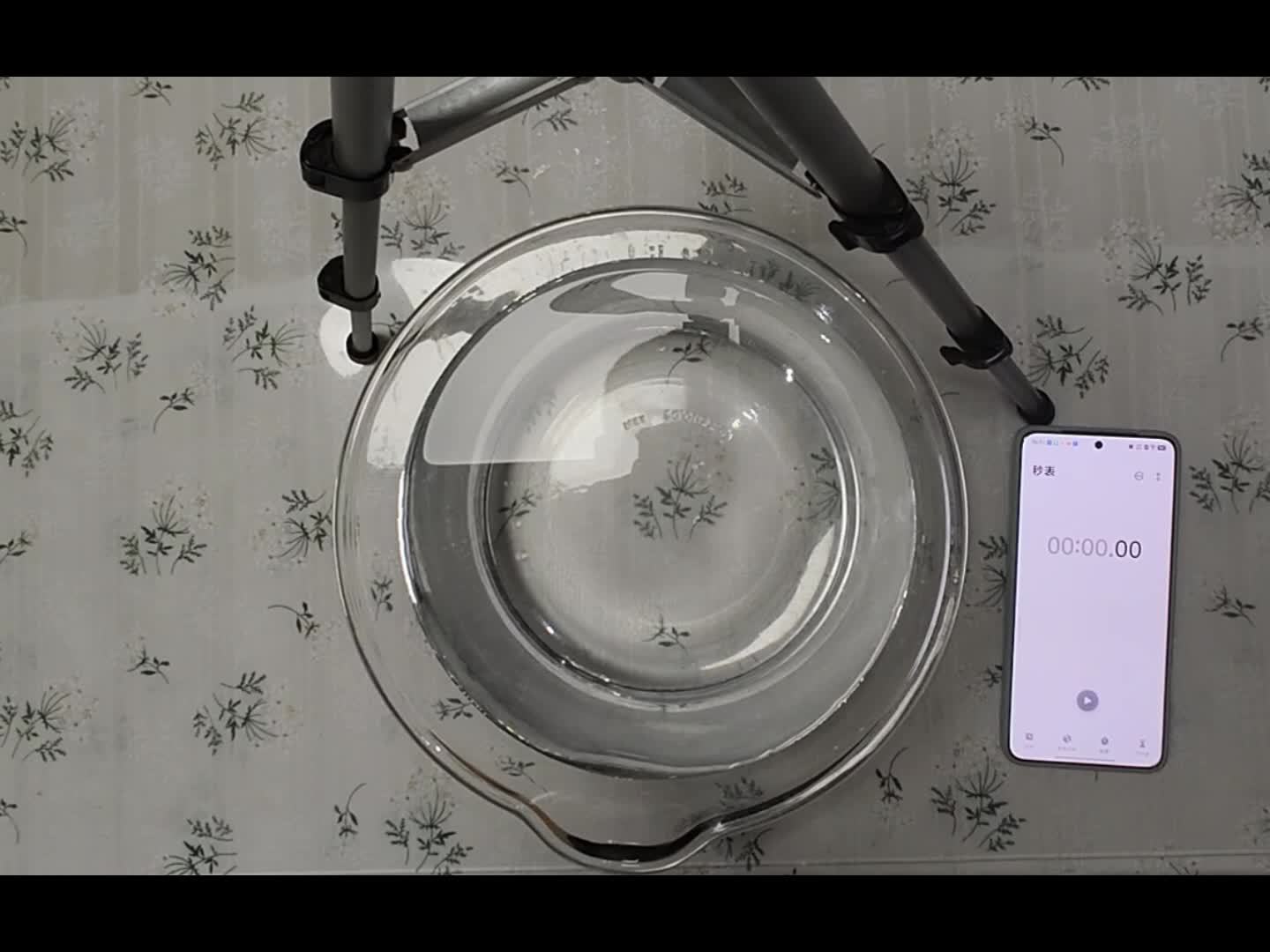
Redmi’s Note line has built a reputation around what the company calls “Little King Kong” toughness, and the 17 Pro takes it further than any previous model. The phone carries IP66, IP68, IP69, and IP69K ratings, meaning it can handle dust, submersion, hot water spray, and high-pressure jets. That’s an unusual combination at any price, let alone in the mid-range. IT-NEWS tested it with a 10-minute submersion in about 10cm of water; the phone came out working normally, with no touchscreen issues.
The structural design uses Corning Gorilla Glass Victus 2 on the front, a reinforced metal frame with thicker corner bumpers, and a die-cast alloy bracket (HZH5.9) designed to reduce chassis flex on impact. The mainboard is deliberately kept small to reduce bending stress during a drop. A drop test from roughly 1.5 meters onto tile left no visible damage: no cracks, no screen artifacts, no function loss. The phone earned SGS and CQC five-star high-strength protection certification.
Display and performance
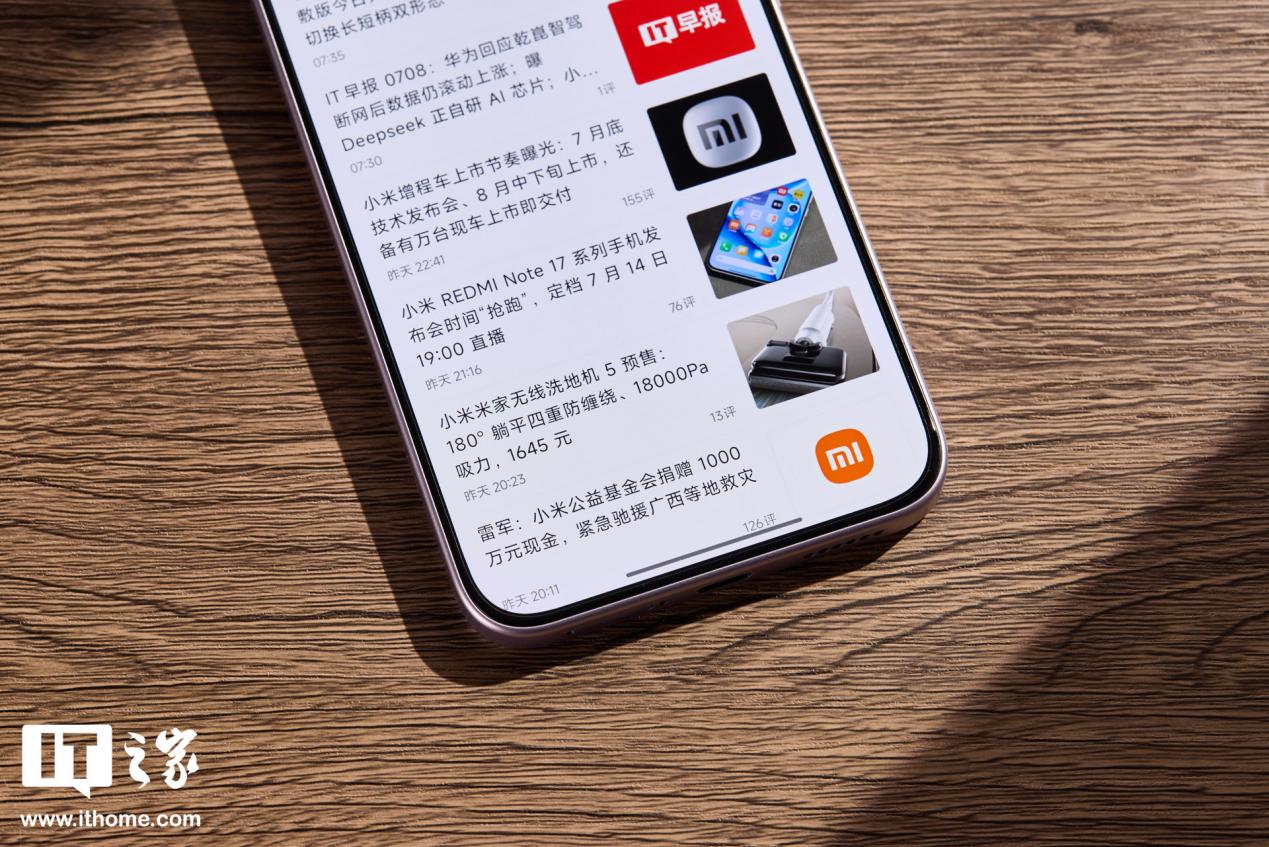
The 6.83-inch display uses the same-generation emissive material as Xiaomi’s flagship 17 series, with a peak brightness of 3500 nits and a sustained full-screen high brightness mode hitting 1060 nits outdoors. IT-NEWS measured 2250 nits under direct flashlight stimulation, plenty for outdoor visibility. The screen also supports Xiaomi’s “Qingshan” eye-care system with DC + 3840Hz PWM hybrid dimming, plus sleep mode and a dedicated gaming eye-care mode that cuts harmful blue light by up to 5%.
Under the hood is Qualcomm’s Snapdragon 6s Gen 4, built on Samsung’s 4nm process: four Cortex-A78 cores at 2.4GHz and four Cortex-A55 efficiency cores at 1.8GHz. AnTuTu V11 score came in at 936,936, with GeekBench 6 hitting 1,011 single-core and 2,961 multi-core. Storage performance was solid too: sequential reads at 2,219.5 MB/s and writes at 2,124.4 MB/s.
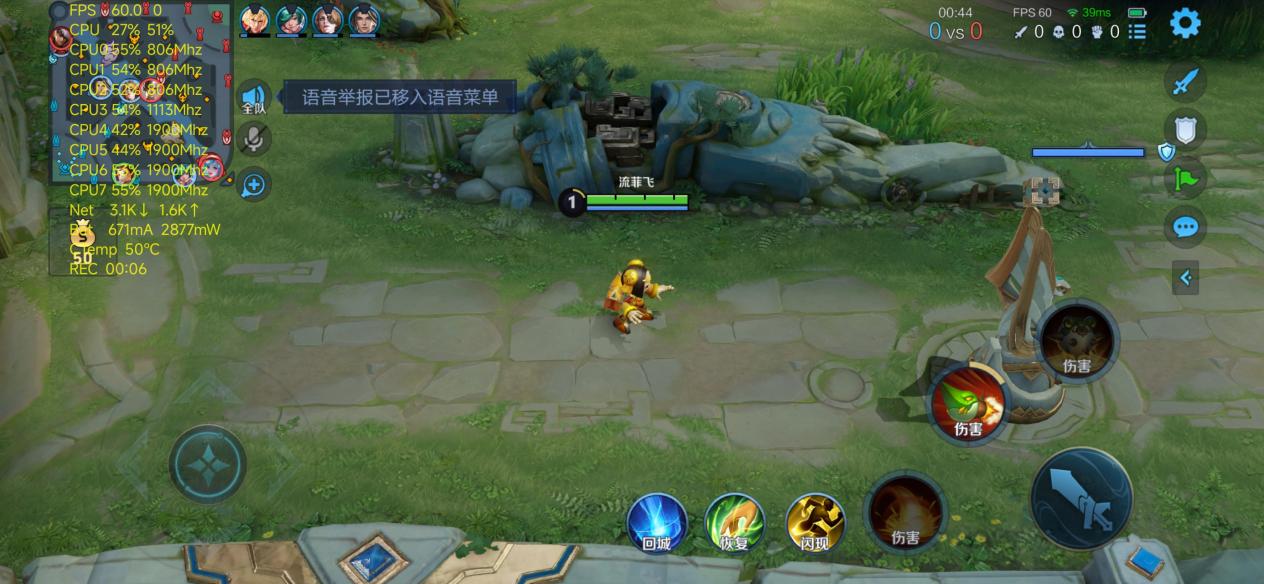
Gaming tests told a predictable mid-range story. Honor of Kings ran at a near-flat 59.98 fps average with only 3.0W power draw and a peak temperature of 37.4°C. Genshin Impact at highest settings averaged 32.78 fps in the Fontaine area, not buttery smooth, but stable, with no sudden frame drops or stuttering. The Cortex-A78 cores hit 2.4GHz frequently and the phone stayed at 37.7°C at the hottest point. You won’t play Genshin at 60 fps on this phone, but for casual gaming and daily use, it’s more than adequate.
Camera and design
The rear camera setup is a single 50MP main sensor with f/1.8 aperture and OIS, paired with a 2MP depth sensor. Daylight shots are accurate in exposure and color, with slightly elevated contrast. The 2x digital zoom holds up reasonably well thanks to the 50MP sensor. Night shots in complex lighting conditions stay bright and well-balanced, though shadows show some noise on close inspection.
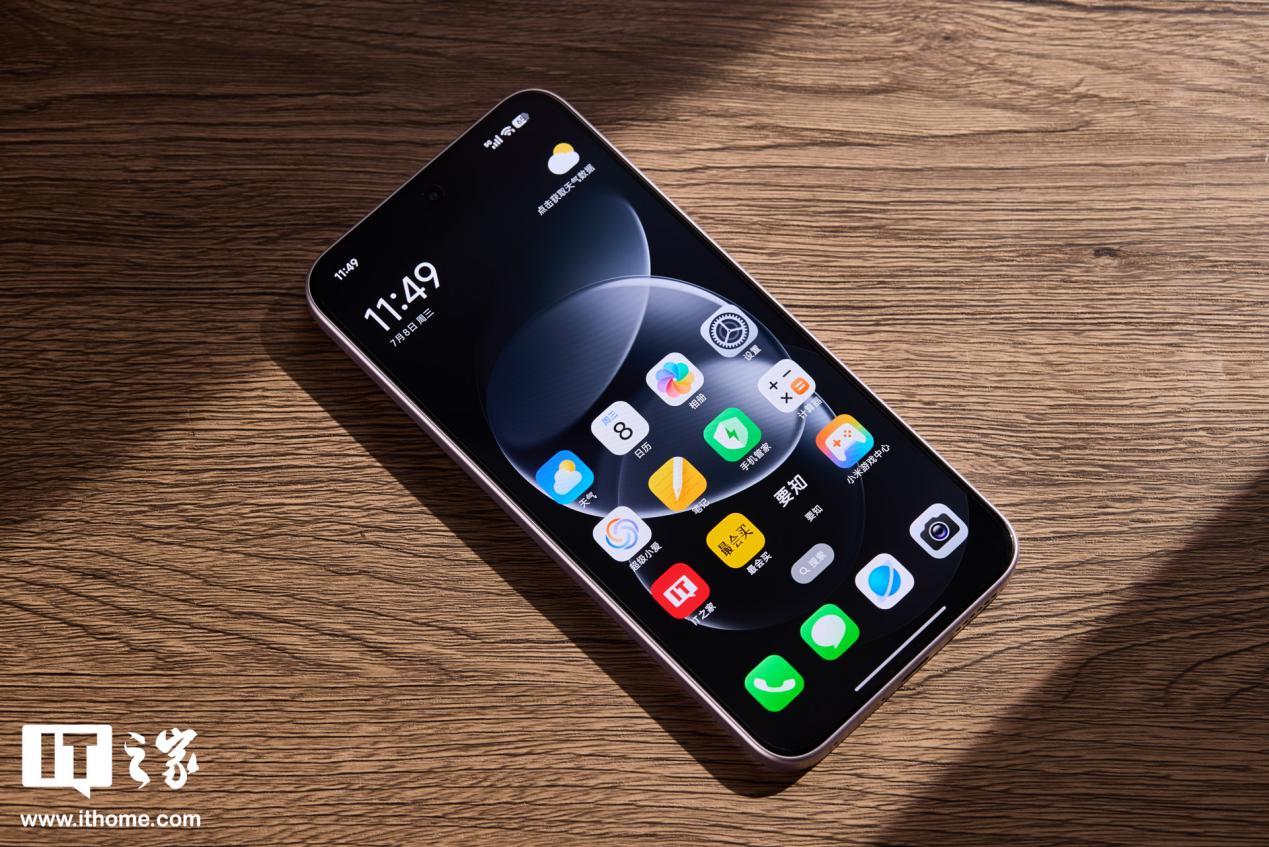
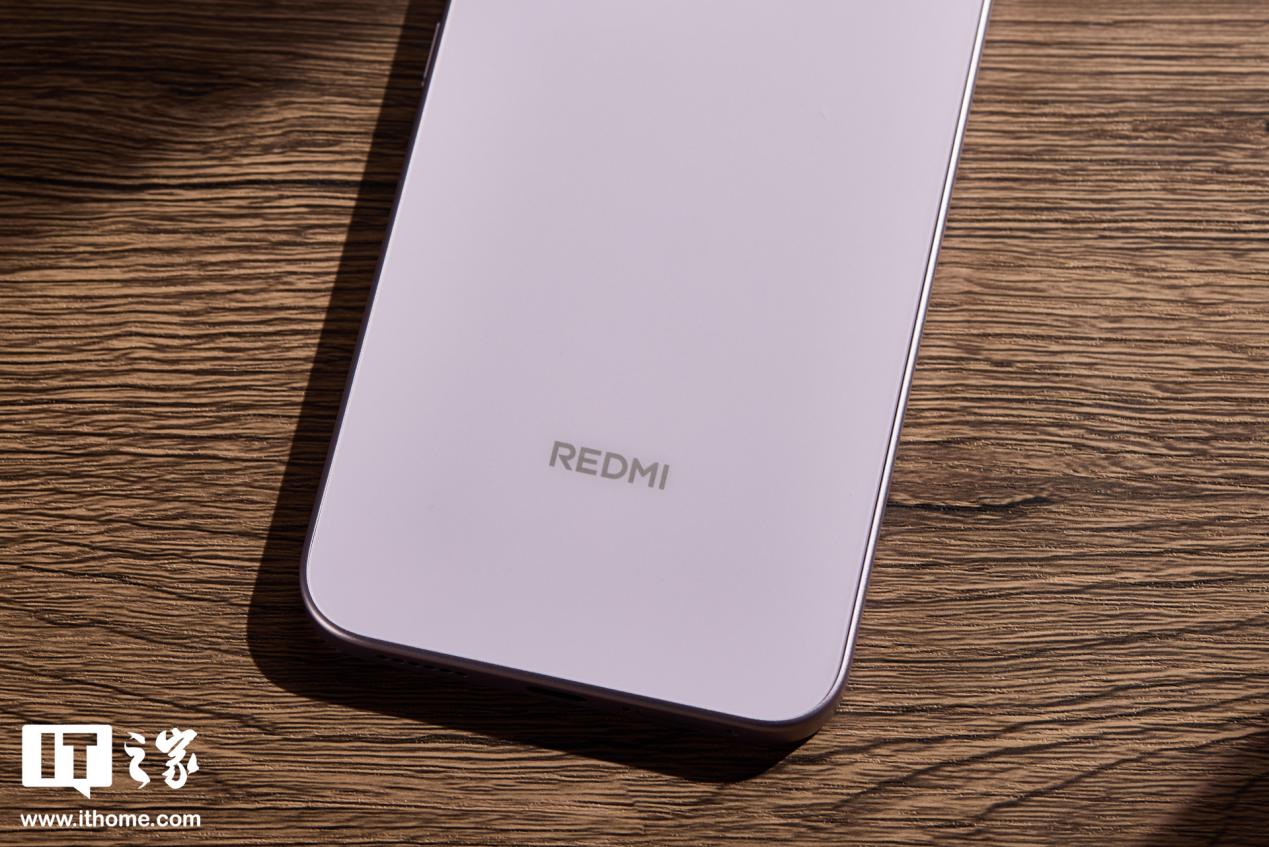
Design-wise, the phone goes for simple and refined: a frosted glass back, a corner-mounted camera Deco with layered construction, and a Nebula Purple color option that shifts under light without being flashy. The 6.83-inch screen uses a visually symmetrical four-sided narrow bezel design, with the thinnest edge at 1.5mm. The phone measures 163.45mm × 78.27mm × 8.7mm and weighs 228g, reasonable for a device with this battery. The box includes a 67W charger, a USB-C cable, and a black silicone case.
The Redmi Note 17 Pro isn’t trying to compete with flagships on camera quality or raw compute power. Instead, it’s making a deliberate bet that what most people actually need is a phone that won’t break when they drop it, won’t die halfway through the day, and can survive a rainstorm or a splash. For outdoor workers, delivery riders, or anyone who’s tired of treating their phone like it’s made of glass, that’s a genuinely useful trade-off.