UCL study finds blanket smartphone bans in schools may backfire
School districts across the world have been racing to ban smartphones from classrooms. But new research from University College London suggests the rush might be making things worse, not better.
The study, conducted by UCL in partnership with Life Lessons Education, surveyed 732 secondary school students, 27 educators, and 41 parents. It found a stark split: 87% of teachers and 88% of parents support blanket phone bans. But 75% of students oppose them — and many described the policies as punishment, not help.
“The students we spoke to felt that blanket bans erode trust between kids and adults,” said Professor Jessica Ringrose from the UCL Institute of Education. “Adults simply don’t understand how central phones are to their students’ lives.”
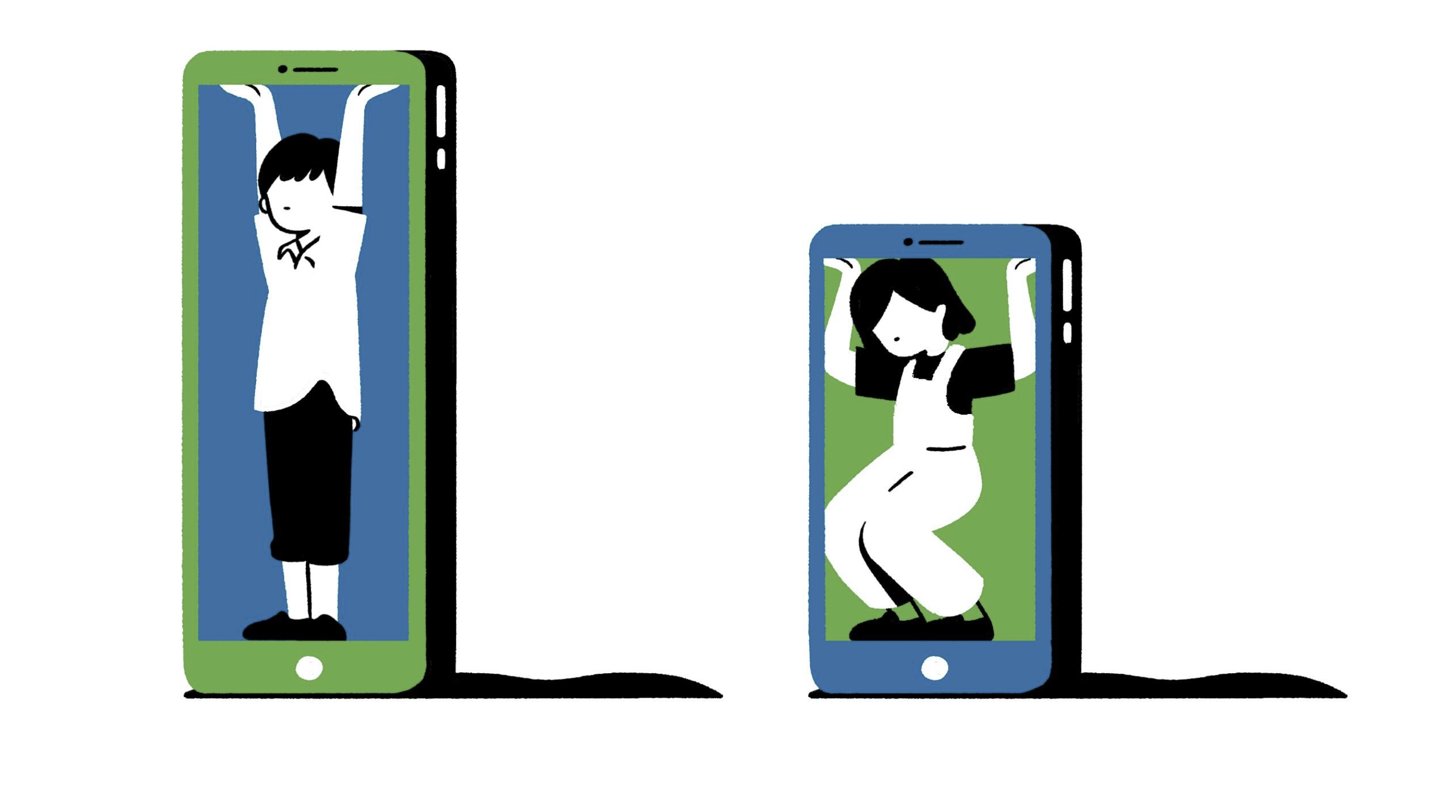
Students told researchers they rely on phones for things that go well beyond TikTok and Instagram: checking bus schedules, weather forecasts, homework apps, and school resources. Many — especially female students — said having a phone makes them feel safer when traveling alone. Phones are also a lifeline for staying in touch with family and friends.
Edith Rodda, a PhD researcher at UCL, pointed out that well-intentioned policies can backfire when they ignore student voices. “Even when the intentions are good, rushed phone policies can become a punishment for students, and they don’t achieve the desired outcome,” she said.
The research also challenges a key assumption behind school phone bans: that removing the device removes the problem. Cyberbullying and online harassment, the study argues, don’t disappear when phones are banned — they just go underground. Students become less willing to report harm to teachers because it happens outside school, where the school has no visibility. And schools can’t control what students do with their phones after 3 PM anyway.
Many students said that banning phones entirely robs them of the chance to learn self-management and responsible tech use. If schools impose policies without involving the people who actually use the devices, students never get to grapple with the ethics of digital life, social behavior online, or how emerging technologies shape their world.
UCL recommends a shift in approach: instead of blanket bans, schools should focus on teaching students how to navigate social media, recognize manipulation, and use technology responsibly. The hardware isn’t the problem — it’s what students do with it, and whether anyone is teaching them to do it well.