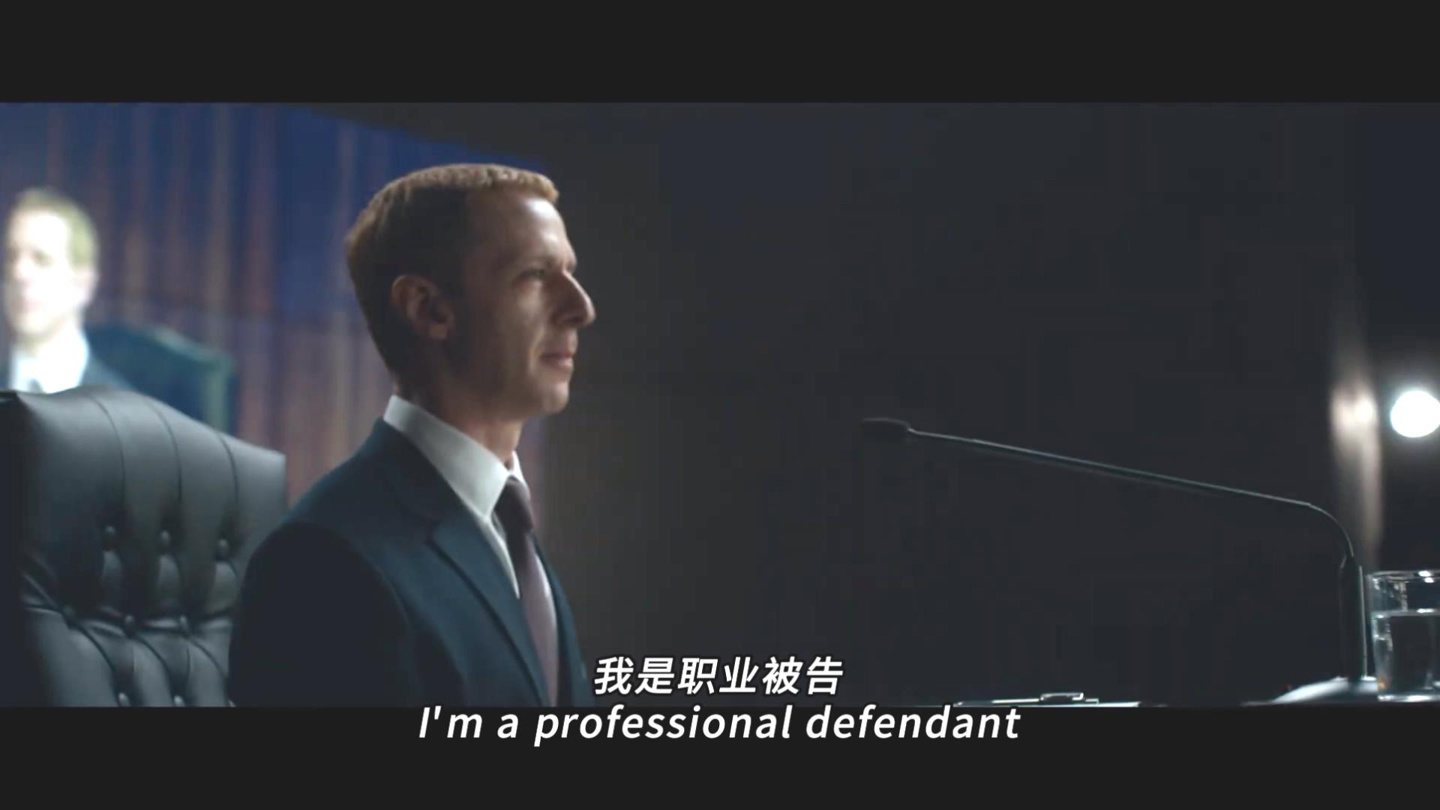
The Social Network Sequel 'Social Settlement' Drops Its First Poster — With a New Zuckerberg
Fourteen years after The Social Network gave audiences a tightly wound, Aaron Sorkin–scripted origin story of Facebook, the sequel is finally real. Social Settlement — the working title — dropped its first poster on July 1, and it already looks darker, messier, and more complicated than the original.
Jesse Eisenberg, who played Mark Zuckerberg in the 2010 film, turned down the chance to reprise the role. Stepping in is Jeremy Strong — best known for his Emmy-winning turn as Kendall Roy in Succession — alongside Anora breakout Mikey Madison and Jeremy Allen White (The Bear). Sorkin returns to write and direct.
The poster itself is sparse: a stark close-up of a face half-lit, the words “Social Settlement” set in a cold sans-serif. No glossy corporate logo. No tagline. The tone is unmistakably grim.
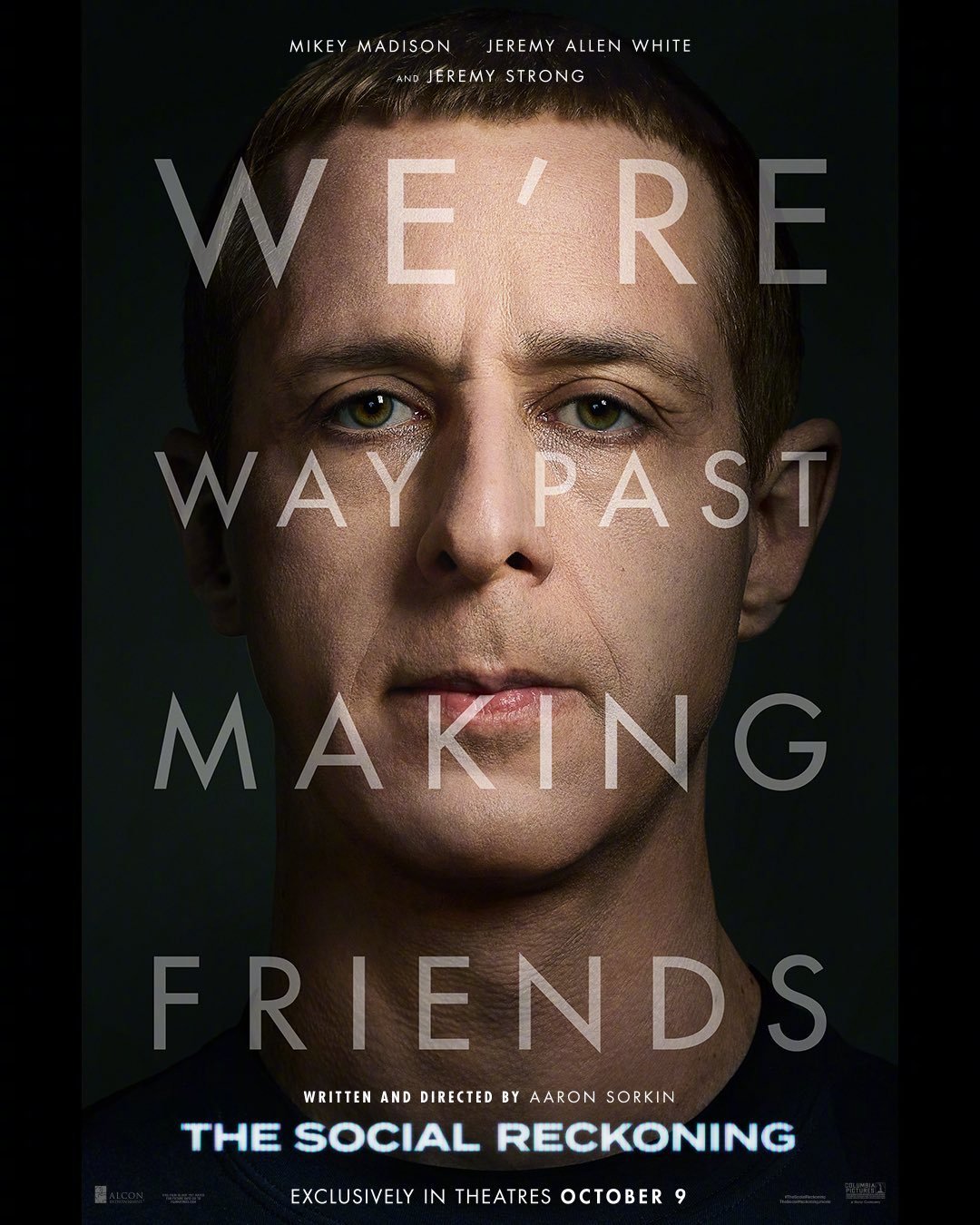
Here’s the setup. Mikey Madison plays Frances Haugen, the Facebook data scientist who — in real life — copied thousands of internal documents and handed them to The Wall Street Journal in 2021. Those documents revealed that Facebook knew its algorithms amplified hate speech, polarized users, and harmed teenage girls’ body image, yet repeatedly chose engagement over safety. Jeremy Allen White plays Jeff Horwitz, the WSJ reporter who broke the story. Jeremy Strong plays Zuckerberg, the man at the center of it all — a figure far removed from the awkward Harvard dorm-room kid of the first film.
The official synopsis reads like a warning label:
“When tech giants rise above governments, when teenage mental health becomes collateral damage for engagement metrics, and when the digital age is built on lies — who has the courage to bet everything on the truth?”
The film is billed as based on true events — the Facebook Papers, the congressional hearings, the whistleblower testimony that reshaped how the world thinks about social media.

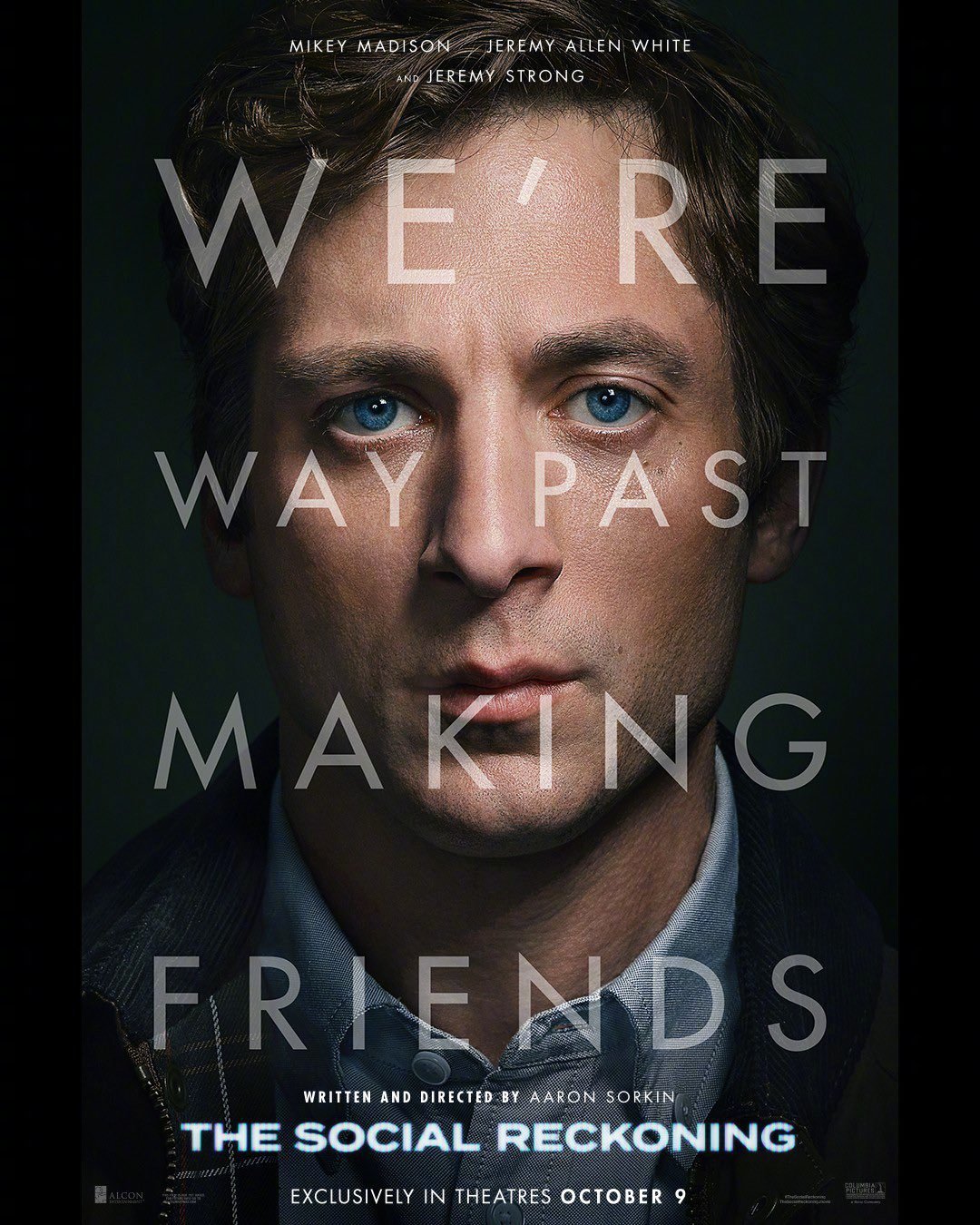
Social Settlement hits theaters in North America on October 9, 2026. Whether it captures the same lightning as the original — or tells a more sobering story about what came after — will depend on whether Sorkin and his cast can do justice to a chapter of tech history that is still being written.