Tesla confirms it's building a self-driving car for wheelchair users
Tesla is developing a self-driving car designed specifically for wheelchair users, the company confirmed this week — a move that would fill a glaring gap in the autonomous vehicle industry.
India Heardman, Tesla’s senior policy advisor, disclosed the project during a hearing in Washington DC on Monday. The hearing centered on a contested bill that would allow robotaxi services to operate in the district. “We’re developing a self-driving vehicle specifically for wheelchair passengers,” Heardman testified. “Accessible ride-hailing is often inconvenient, but people who rely on wheelchairs deserve the same freedom of movement.”
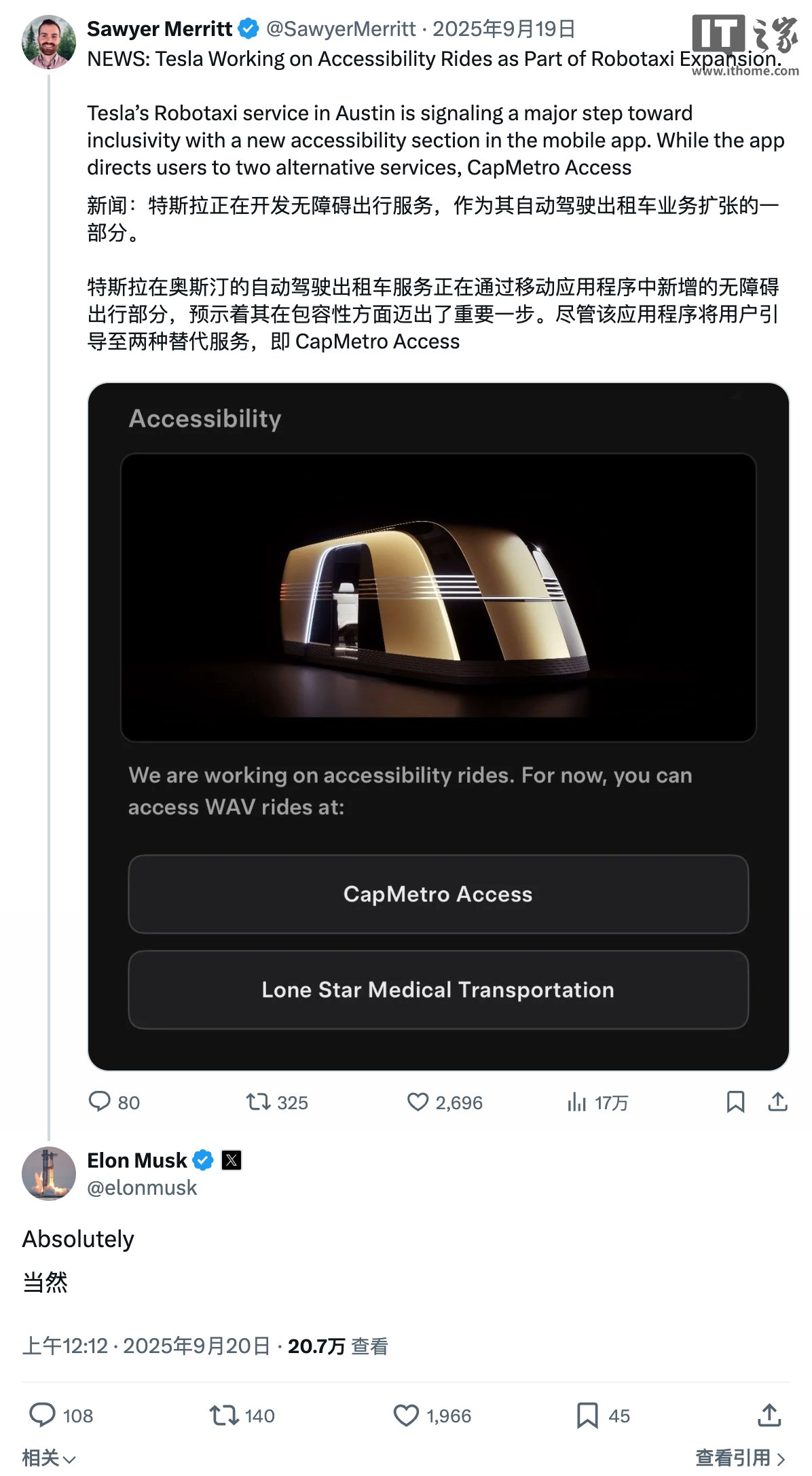
The acknowledgment comes as no surprise to close watchers of the company. Elon Musk has hinted at accessible ride-hailing plans before. Last fall, Tesla added an “accessible ride” option to its Robotaxi app — though tapping it currently redirects users to third-party providers. The app itself notes: “We’re working on accessible ride-hailing.” When a blogger posted about the effort, Musk replied with a simple: “Of course.”
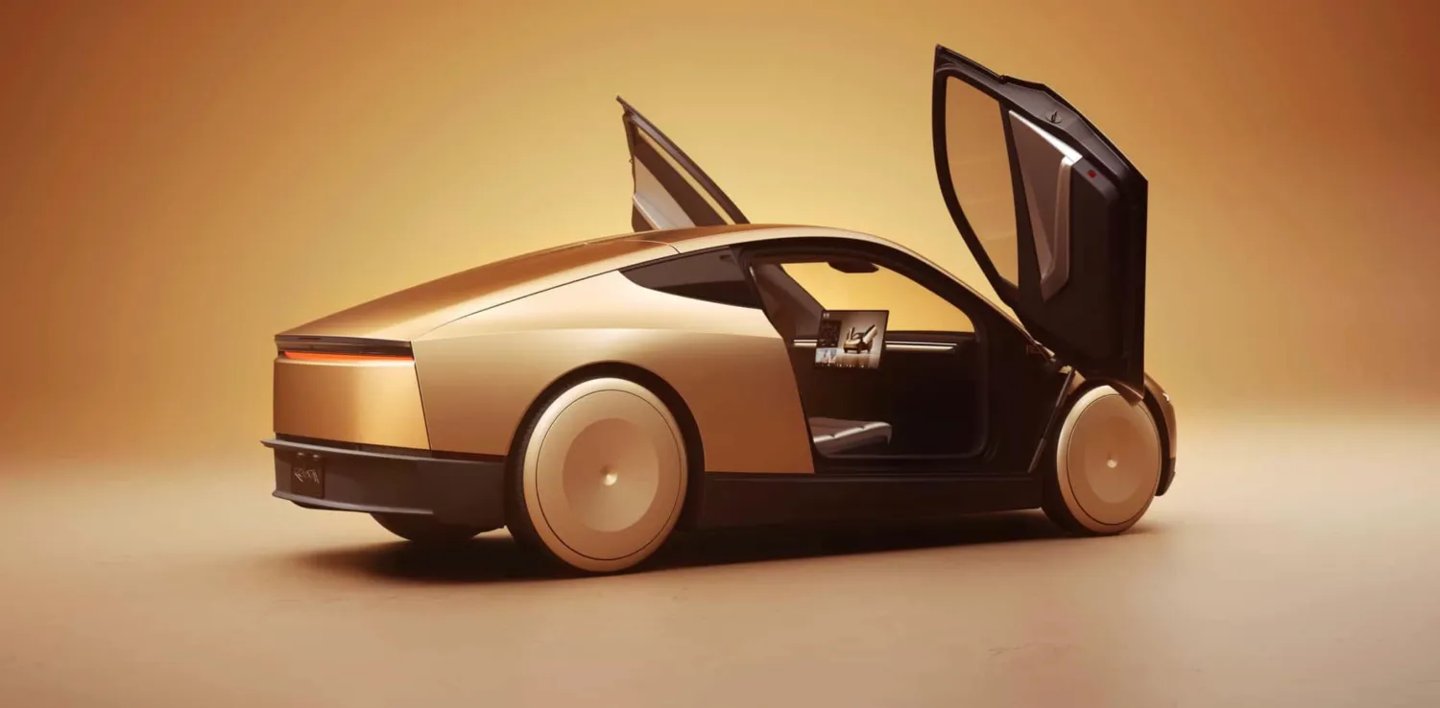
There’s a practical reason for the urgency. Tesla’s current autonomous fleet — small test operations in Austin, Dallas, Houston, and as of this month, Miami — uses the Model Y, a compact SUV that wheelchair users simply can’t enter unassisted. The company’s Bay Area service still relies on human-driven vehicles. And its newly unveiled Cybercab, which has no steering wheel or pedals, doesn’t accommodate a wheelchair rolling in, either.
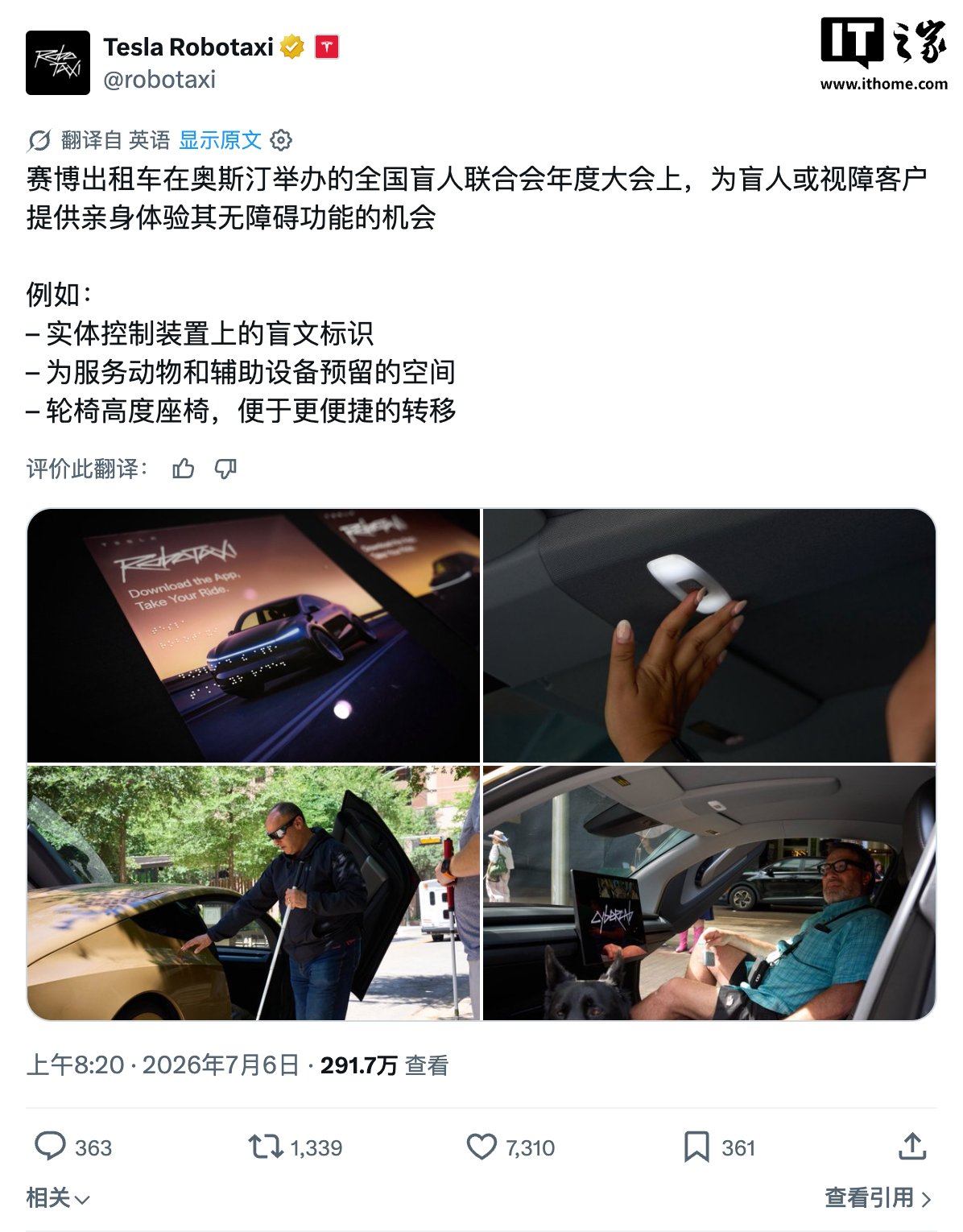
Tesla has pointed to some accessibility features on the Cybercab: braille markings on its control buttons and seats positioned at wheelchair height to make transfers easier. But a transfer still requires getting out of the wheelchair and into a seat — not the same as rolling in and staying put.
The dedicated wheelchair-accessible vehicle would be a different proposition entirely. The company hasn’t said what form it will take — whether a modified Cybercab platform or something entirely new. Given Tesla’s typical timeline, a production version is likely years away even after an official reveal.
The market opportunity is real and underserved. No robotaxi operator in the United States currently offers fully driverless, wheelchair-accessible service across its entire fleet. IT-NEWS has learned that the challenge spans both hardware and software: vehicles need ramps or enough interior space to maneuver, and securement systems must work without a driver to assist.
For a company that has often prioritized speed over inclusion, the project represents an unusual bet — that the next frontier in autonomous driving isn’t about going faster or cheaper, but about who gets to ride at all.