Apple's Camera-Equipped AirPods Pro Project Hits an Unexpected Pause
There was a quiet assumption in the Apple rumor ecosystem that the camera-equipped AirPods Pro were a done deal. Bloomberg’s Mark Gurman had them pegged as nearly production-ready back in May. Supply chain reports had Apple scrambling for memory chips in a tight market. Then, silence — and now, a stop.
Leaker Kosutami posted on X Friday that Apple’s internal project to build AirPods Pro with infrared cameras — known internally as H90 — has been “paused.” He offered no reason and didn’t clarify whether “paused” means a temporary hold or a full cancellation. Apple has not commented.

The timing is odd. In May, Gurman reported that the camera-equipped AirPods Pro were close to mass production. By June 17, his tone had shifted — he said the product had been pushed back to 2027, citing Apple’s internal struggles with Siri AI development and the challenge of optimizing a visual AI model that could identify objects around the wearer in real time.
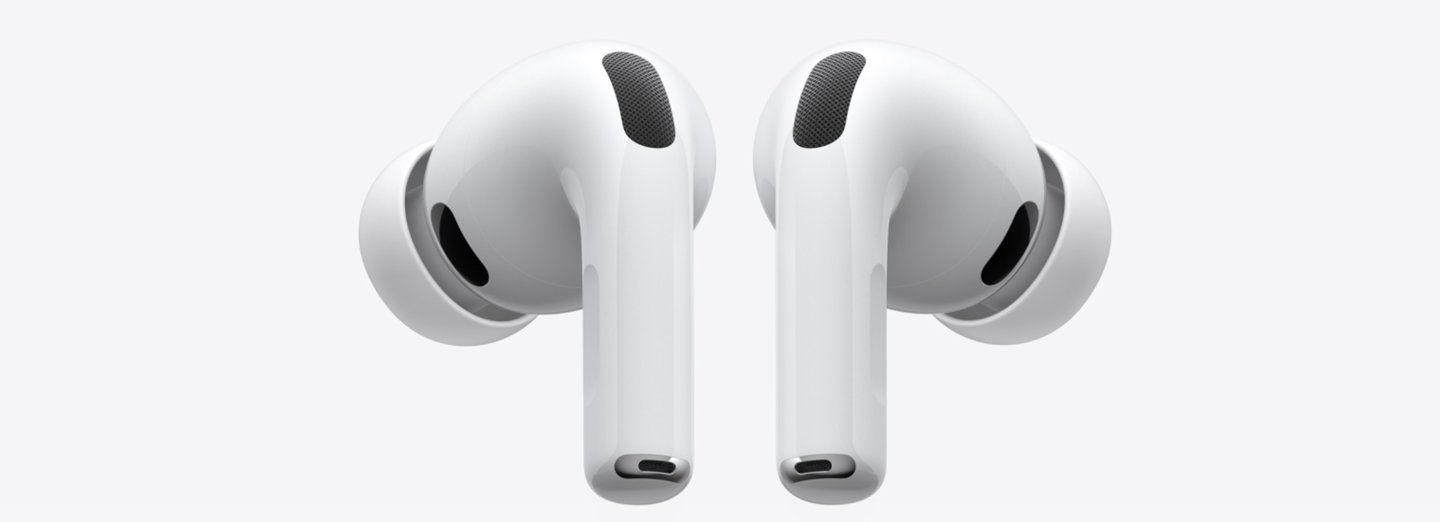
What makes the pause striking: these aren’t cameras meant for taking photos or recording video. The sensors are low-resolution infrared units embedded in each earbud stem (slightly lengthened to accommodate them). Their job is to collect visual data about the wearer’s environment and feed it to Siri for processing. The rumored feature set included gesture controls — wave a hand to skip a track without touching the earbuds — and tighter integration with Apple Vision Pro for spatial audio.
The real obstacle, according to supply chain sources, wasn’t technical. It was regulatory. Europe’s GDPR, the ePrivacy Directive, and the AI Act form a dense regulatory web that requires “explicit consent” from anyone whose biometric or environmental depth data is collected in a public space — even if the device never stores or transmits an actual image. Meta’s smart glasses have already run into this problem on the continent. For a product that would constantly scan the world around the wearer, getting meaningful consent from every person within range is effectively impossible.
Kosutami had claimed earlier this year that the infrared cameras would allow AirPods Pro to “connect to Apple Intelligence,” a claim later corroborated by other sources. The visual data pipeline was meant to feed directly into Apple’s broader AI ecosystem.
Gurman had also noted that Apple’s operations team was already securing memory chip and silicon component supply in a tight market, expecting strong demand for the next-gen AirPods Pro. That makes the internal decision to halt the project even more puzzling — or, depending on how you read it, a sign that Apple sees the regulatory and AI-readiness road ahead as longer than the supply chain lead time it had already solved.