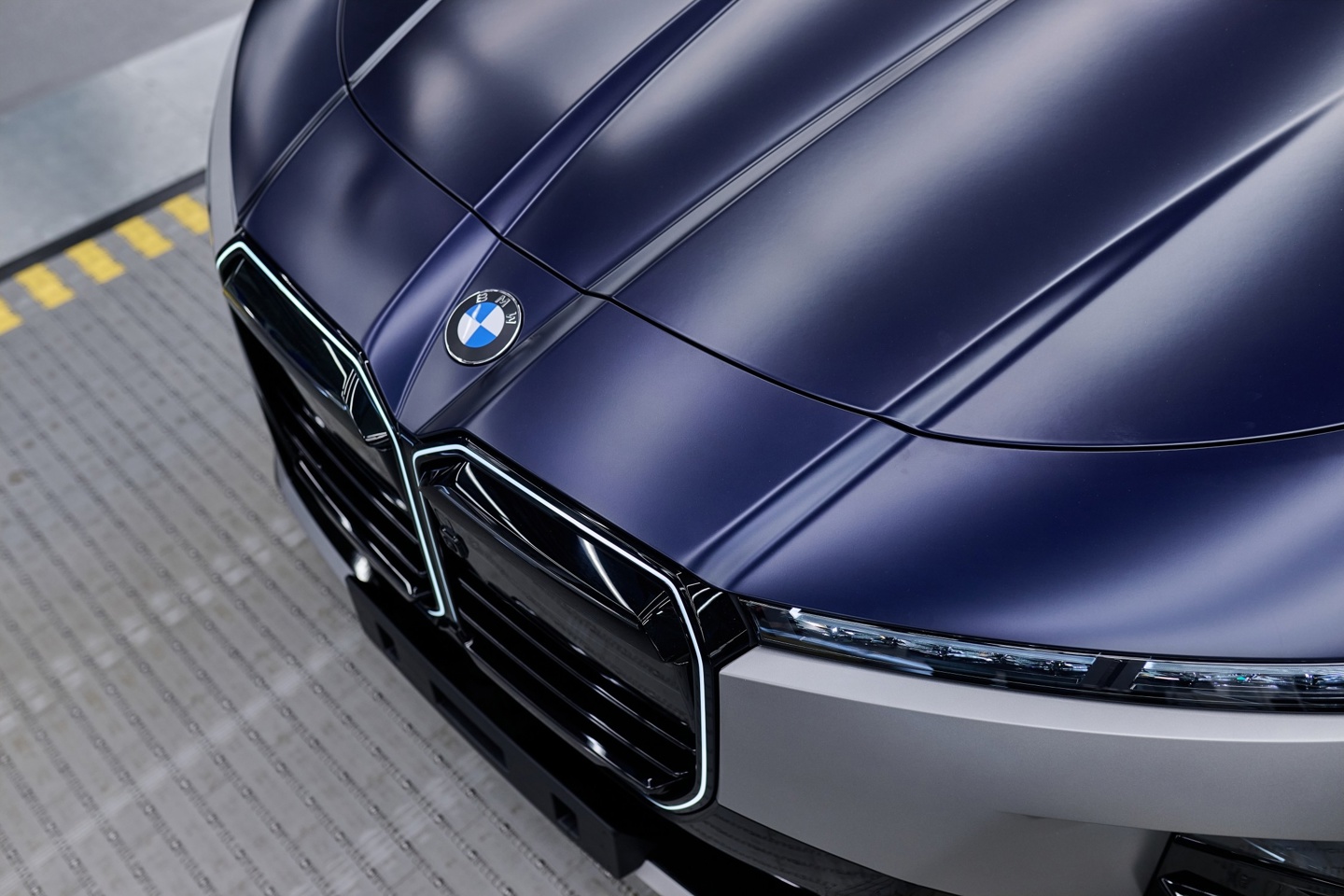
BMW's new 7 Series brings Neue Klasse tech to the flagship — i7 does 727 km
BMW’s flagship sedan just got a lot more interesting. The automaker announced this week that the updated 7 Series has entered production at its Dingolfing plant in Germany — and it’s packing technology borrowed from the upcoming Neue Klasse platform, the company’s next-generation architecture that’s supposed to underpin everything from the 3 Series to the iX SUV.
That’s a first. BMW has never ported next-gen platform tech into an existing model before. The Neue Klasse program, originally pitched as a clean-sheet rethink of BMW’s EV and software architecture, is now being backfilled into the current 7 Series before its full rollout. By the end of 2027, the technology will have spread across 40 BMW Group models.
The headline numbers are straightforward enough. The i7 xDrive60, the all-electric version, now manages 727 kilometers on the WLTP cycle — real-world driving range that puts it ahead of most luxury EV sedans. Charging from 10% to 80% takes about 28 minutes, thanks to sixth-generation cylindrical battery cells that BMW says improve both energy density and thermal performance.
But the 7 Series has never been just about specs. BMW is leaning hard into customization with this refresh. The exterior offers over 500 paint colors plus dual-tone combinations. Inside, buyers can choose from roughly 700 configuration and material options — leather, metal, and crystal glass among them.
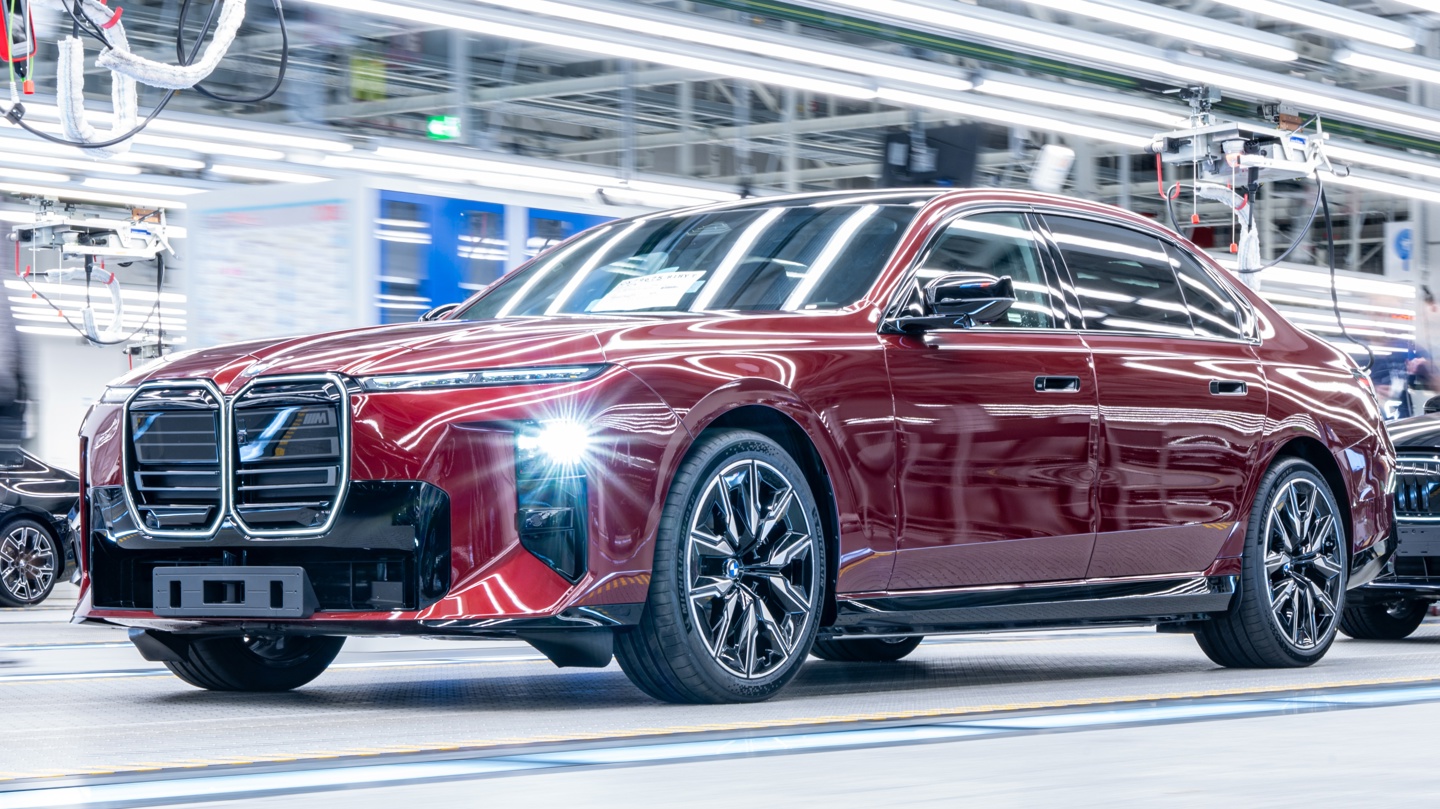
The most technically interesting addition is a new dual-layer paint process that combines matte and gloss finishes on the same body panel. Each car takes more than 4,500 minutes to paint, of which roughly 2,000 minutes are manual labor. That’s the kind of production detail most automakers would never mention — but BMW is clearly using it to position the 7 Series as a bespoke alternative to the Mercedes S-Class and the electric EQS.
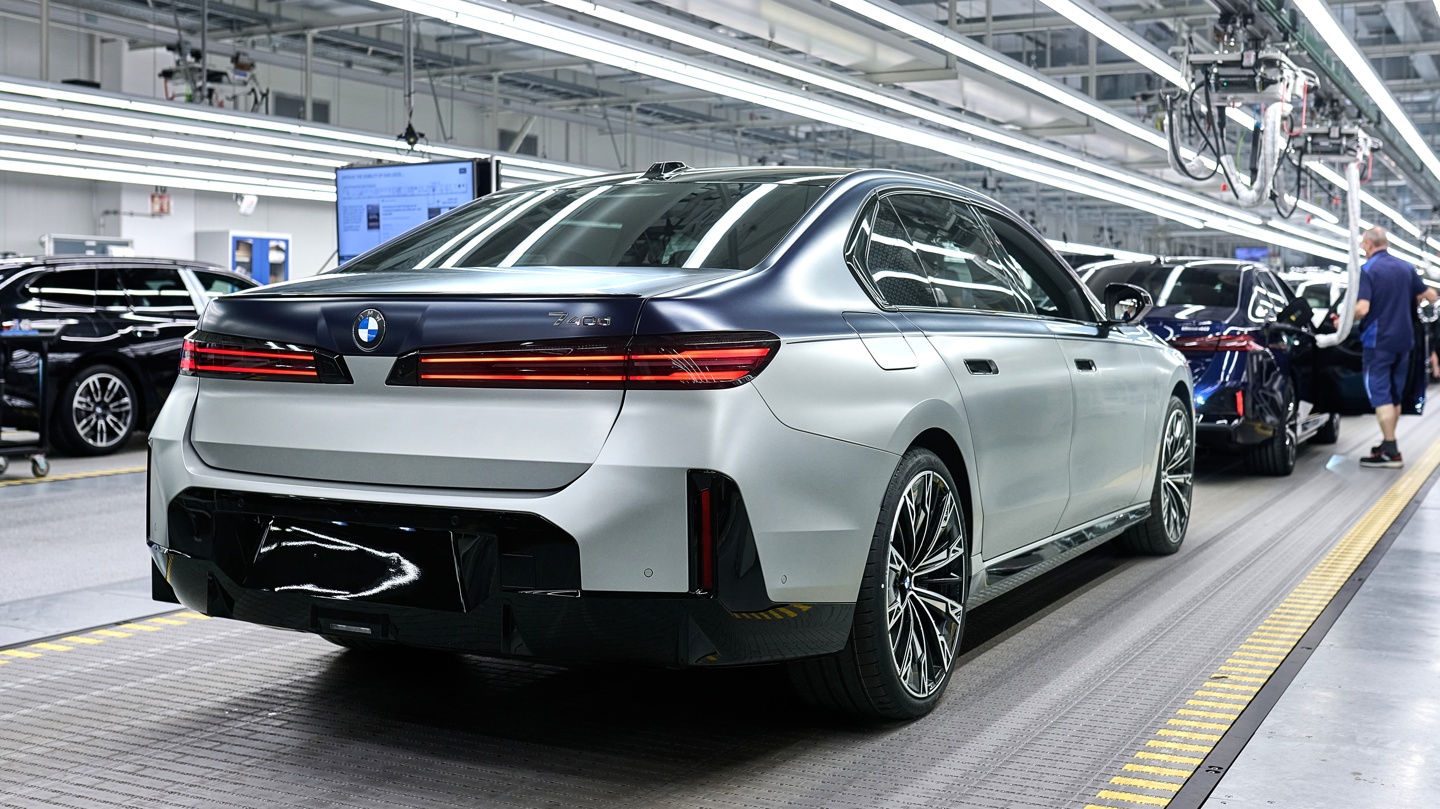
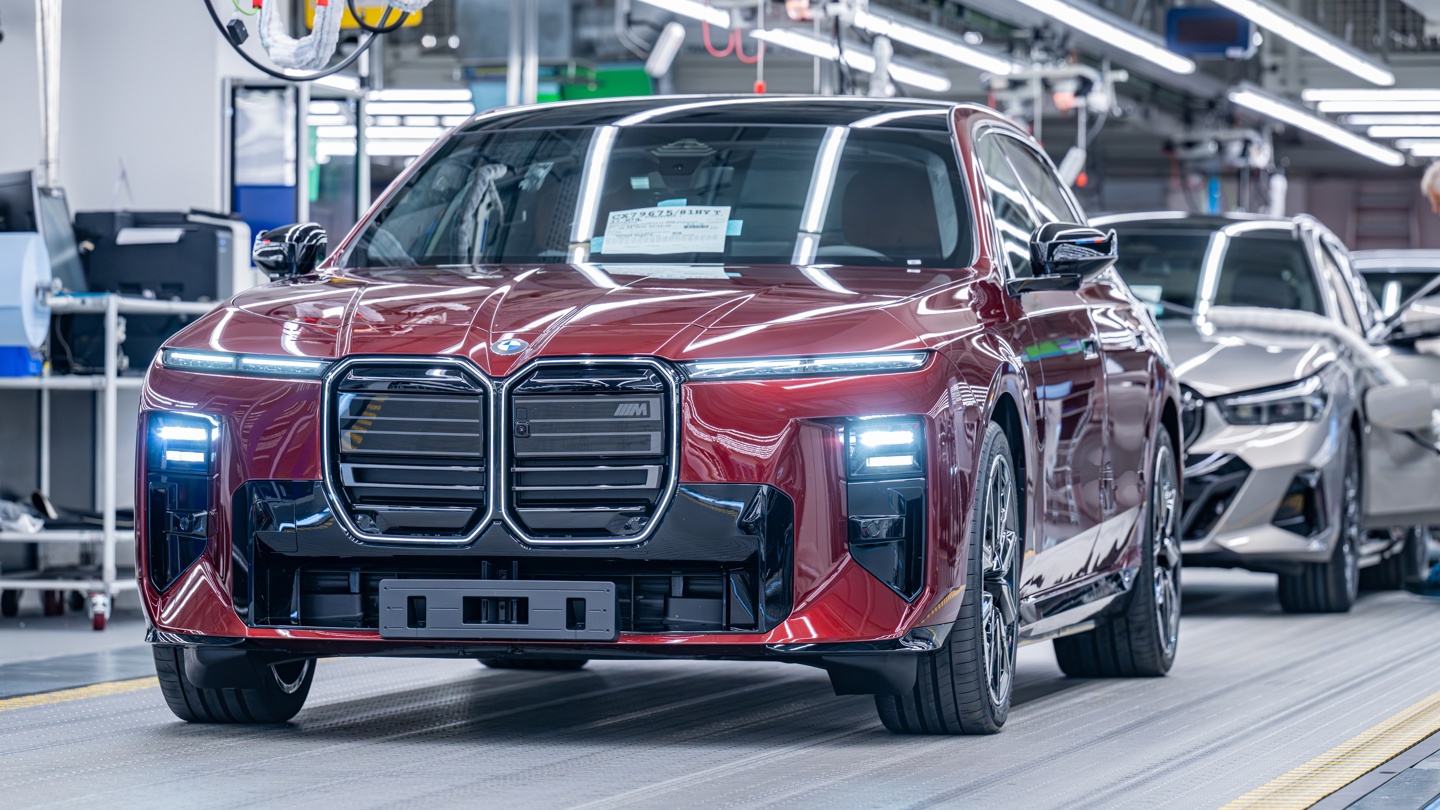
The Dingolfing plant, which builds the 7 Series alongside the 5 Series, 8 Series, and several Rolls-Royce models, has been retooled to handle the cylindrical cell battery packs and the new paint line. BMW hasn’t said exactly how many units it expects to produce daily, but the 7 Series has historically been a low-volume, high-margin vehicle — the kind of car that makes money even when the broader market slows down.
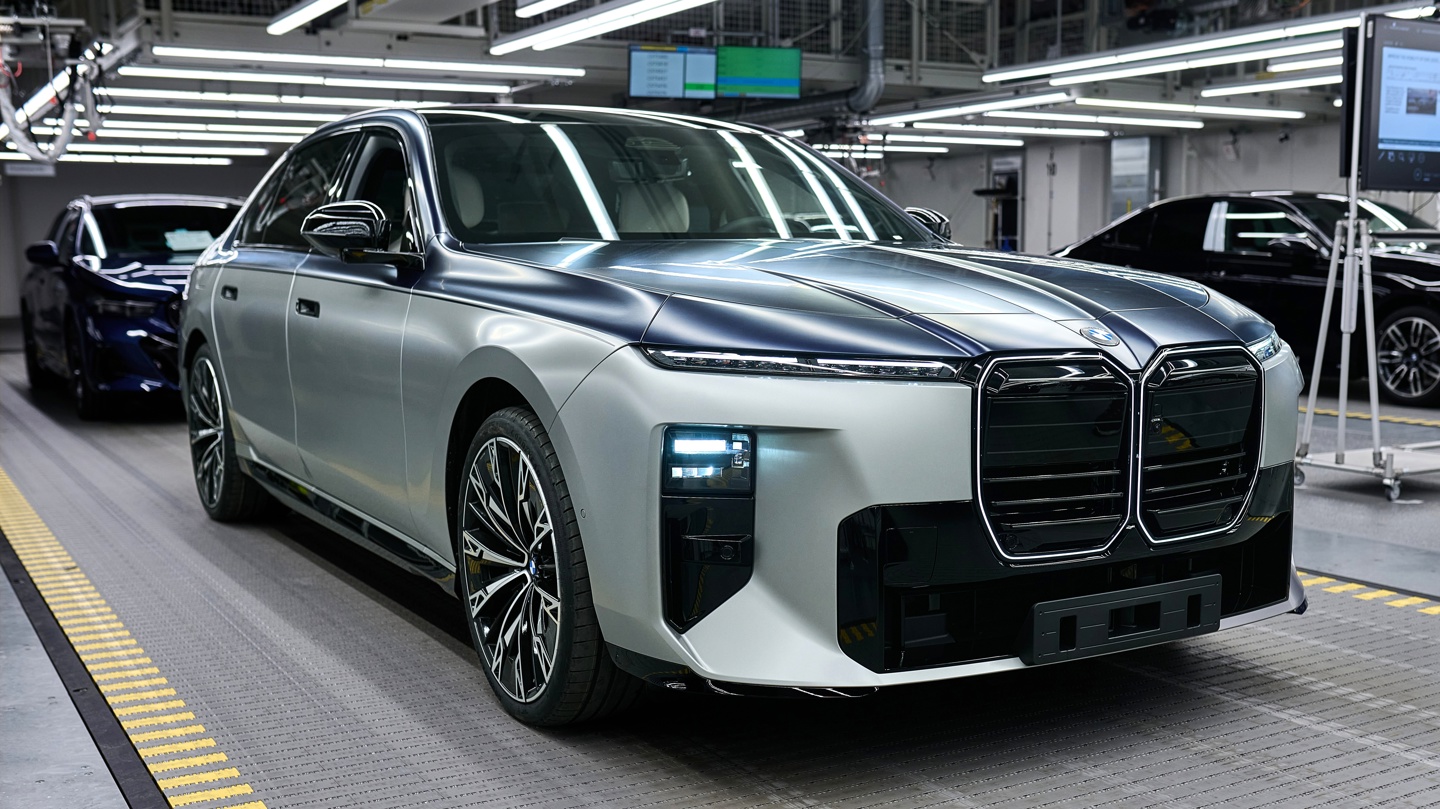
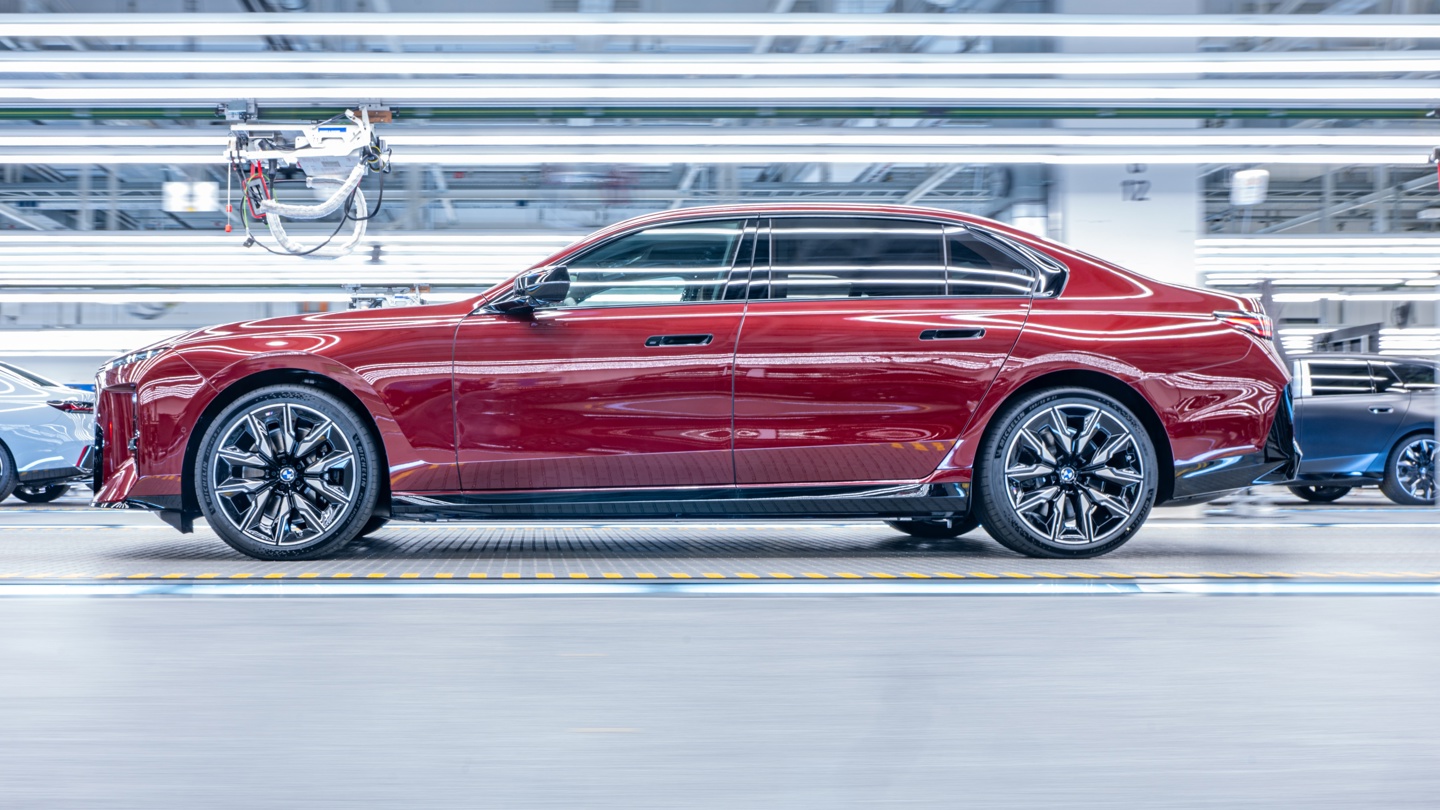
None of this is revolutionary on its own. More paint colors, faster charging, a few technology hand-me-downs — these are typical mid-cycle updates. What’s interesting is the strategy behind it: BMW is using its current flagship as a testbed for Neue Klasse technology rather than waiting for a completely new platform. That means the supply chain, the battery production line, and the paint shop all get validated at high volumes before the full Neue Klasse lineup arrives.
It’s a pragmatic move. And for anyone shopping in the $100,000-plus luxury sedan segment, it means the 7 Series just became a more credible alternative — not because it’s flashy, but because the engineering underneath genuinely changed.