Gurman: Apple's M7 Ultra chip targets 1.5TB of memory — double the M5 Ultra
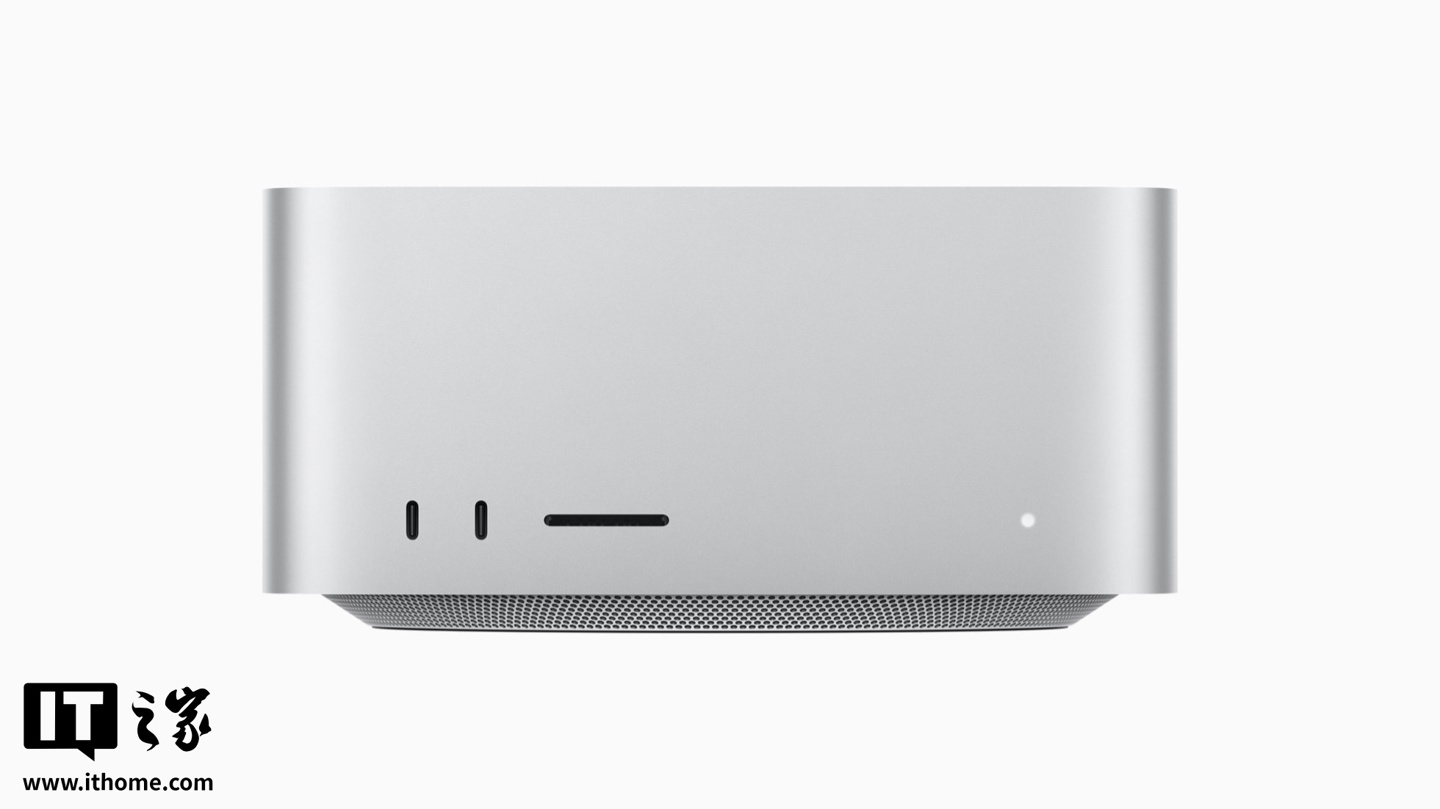
Apple’s Mac Pro and Mac Studio users who thought 768GB of unified memory was plenty may want to sit down. According to Bloomberg’s Mark Gurman, the M7 Ultra chip — still years away — is designed to support up to 1.5TB of unified memory, doubling the ceiling of the current M5 Ultra.
Gurman reports that Apple has already begun taping out the base M7 chip, just six months after the M6 reached the same milestone. Tape-out is the final stage of chip design before manufacturing begins, so the timeline is coming into focus: the standard M7 could arrive in the first half of 2027, followed by the M7 Pro and M7 Max later that year, with the M7 Ultra landing in 2028.
The 1.5TB figure is the design target, not a guaranteed shipping spec. Gurman notes that Apple’s final decision depends on the broader memory chip supply chain, which is currently under strain. Industry-wide memory shortages have made high-capacity modules expensive and difficult to source. Apple has precedent here — the M3 Ultra-based Mac Studio originally shipped with a 512GB memory option, which Apple quietly removed in March, followed by the removal of the 256GB option in May.
Beyond M7, Apple is developing the M8 chip with a stronger neural engine and AI focus. One M8 variant — codenamed Soko — is expected in 2028. Multiple high-end Mac chips under the Cardinal codename are also in the pipeline. The 2028 processors will reportedly use a 1.4nm manufacturing process, which should deliver a meaningful leap in power efficiency.
The M7 family represents a strategic shift for Apple’s chip roadmap. The company reportedly skipped the M6 Pro, Max, and Ultra entirely, choosing instead to pour resources into the M7 series — an AI-oriented play that prioritizes memory bandwidth and on-chip intelligence over a more conventional generational cadence.
For context, the current M5 Ultra tops out at 768GB of unified memory in testing, with the shipping configuration likely lower. A 1.5TB M7 Ultra would put Apple’s top-end silicon in the same memory neighborhood as many workstation-class GPUs, which matters increasingly as large language models and on-device AI workloads demand ever more RAM.
Whether Apple actually ships a 1.5TB configuration — or quietly walks it back like it did with the M3 Ultra — will depend on how the memory market looks in 2028. But the design target alone tells you where Apple thinks high-end computing is heading: more memory, more AI, and fewer compromises.