China's largest car dealer sold 710,000 cars in 2023. Now most of its stores are empty.
China’s largest car dealer sold more than 710,000 vehicles in 2023. Two years later, most of its stores sit empty.
Guanghui Auto has effectively exited the new car business, the company confirmed to Chinese media this week. Of the 500-plus dealership properties it owns outright, only about 30 are still operating — and those mostly handle after-sales repairs, not new car sales. The rest are either rented out or vacant.
The fall has been fast. At its peak, Guanghui ran over 700 dealerships across China, representing 57 brands from BMW and Mercedes-Benz to Audi and Buick. It was the country’s undisputed dealer king, booking 137.9 billion yuan (about $19 billion) in revenue in 2023 — second among all Chinese dealer groups — and selling more cars than any competitor.
Then the price war arrived, and the dealership model started to crack.
China’s auto market has been brutal on legacy dealers. BYD, Tesla, and a wave of domestic EV upstarts have been cutting prices for two straight years, squeezing new-car margins to near zero. Guanghui was especially vulnerable because it owned most of its real estate — prime lots in cities across China — which meant high fixed costs and no easy way to downsize quickly when the market turned.
The breaking point came in August 2024, when Guanghui’s stock traded below 1 yuan for 20 consecutive days, forcing an automatic delisting from the A-share market. Once the company was off the exchange, major auto brands pulled their franchise authorizations one by one. Without the right to sell new cars, the dealerships became liabilities instead of assets.
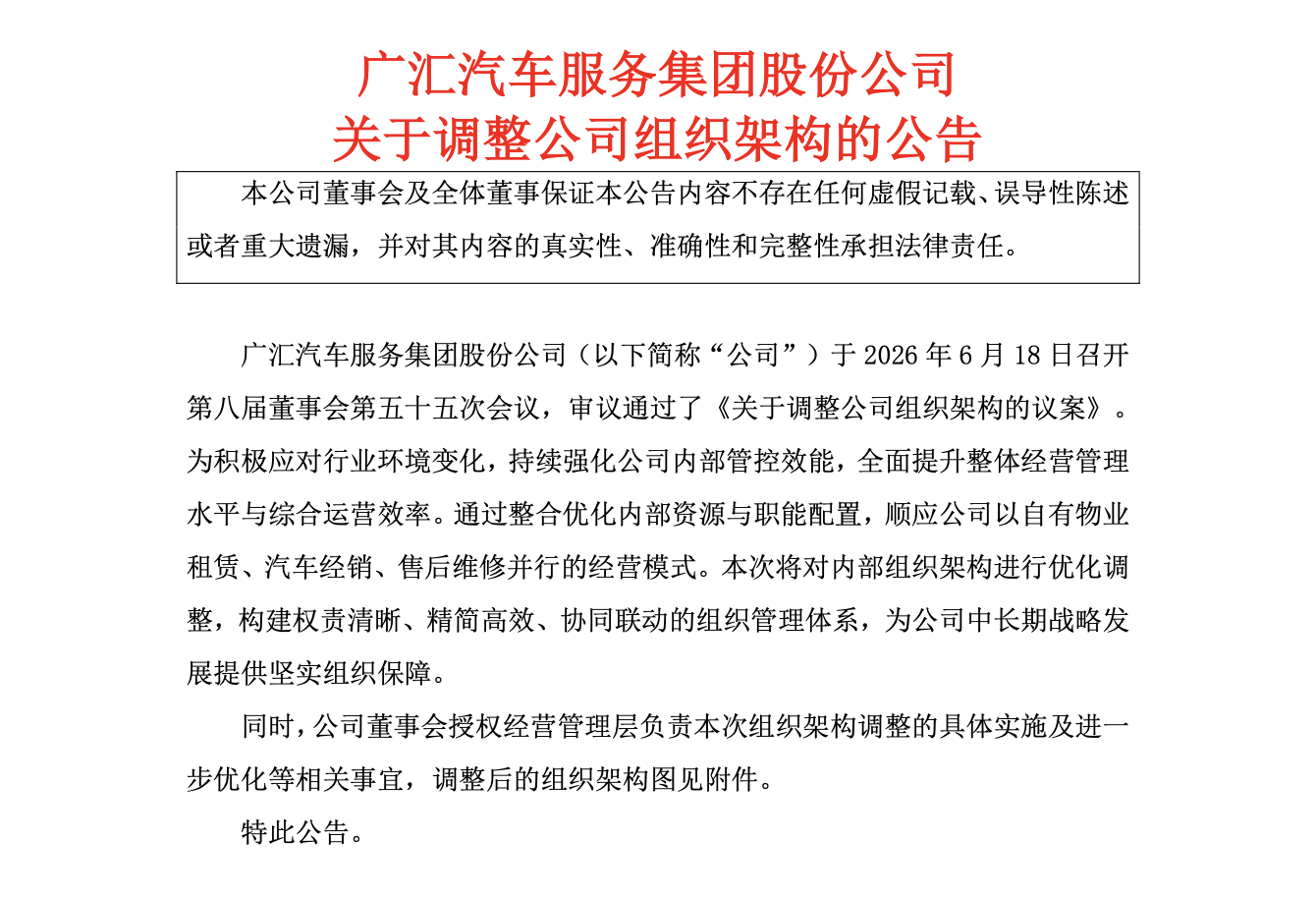
The company’s June board filing described its current business as a mix of property leasing, auto sales, and after-sales service. In practice, Guanghui has become something closer to a real estate manager that happens to own a lot of car-shaped buildings.
Guanghui’s collapse isn’t an isolated story — it’s the canary in the coal mine for China’s traditional auto retail sector. Other large dealer groups face similar pressure as the industry consolidation that began in 2024 continues to accelerate. The old model of physical lots, franchise territories, and new-car margins is being dismantled faster than most people inside the industry expected. What comes next isn’t entirely clear, but it won’t look like what came before.