Decoy Font: A typeface that hides real text from AI — but not from humans
There’s a quiet arms race between content creators and the AI companies scraping their work. Every day, millions of web pages get fed into training pipelines — text, images, everything in between. But what if you could make your text invisible to AI without changing how it looks to a human reader?
That’s the idea behind Decoy Font, a new typeface released this week by Mixfont. It exploits a quirk in how AI vision systems process text differently than human eyes do.
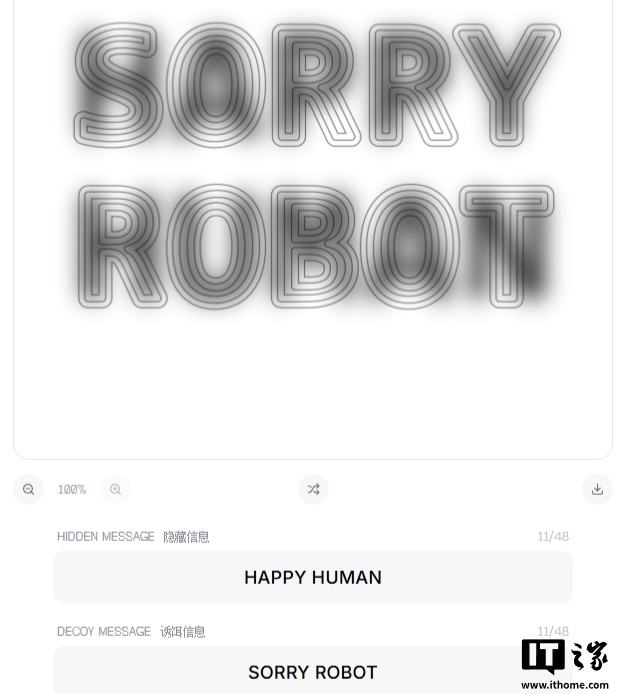
The font ships as a standard TrueType Font (TTF) file — the same format used by every major operating system, design software, and office suite. Install it and you can type and lay out text just like any other font. The trick is invisible at a glance: Decoy Font stacks two layers of spatial frequency information on top of each other.
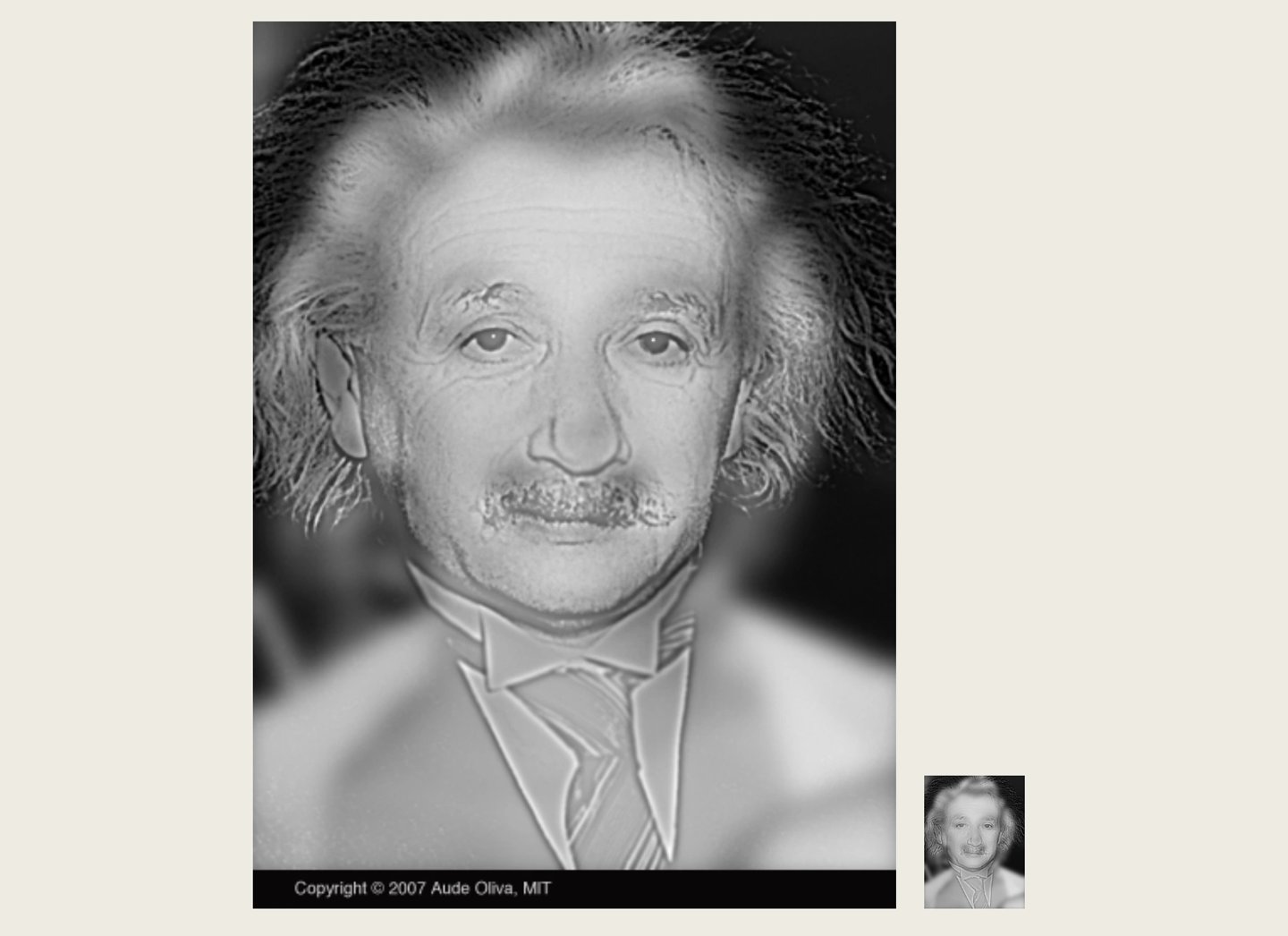
The technique borrows from hybrid images, a visual illusion most famously demonstrated by the Albert Einstein and Marilyn Monroe composite photograph. Look up close and you see Einstein’s wrinkles and hair. Step back and the features blur into Monroe’s face. Decoy Font applies the same principle to typography.
When an AI system reads text from an image, it relies heavily on close-range pixel information — the same way any vision model processes an image before routing the result into a large language model. The AI sees the decoy letters first: a crisp, readable foreground that looks like real text but carries a different message. The actual text lives in the low-spatial-frequency layer, which the human eye naturally resolves at reading distance but which AI vision pipelines tend to discard or misinterpret.
“Each real letter is hidden behind a decoy letter,” Mixfont engineer Eric Lu said, “so the AI has a hard time reading the actual message.”
The practical implications go beyond novelty. Artists, writers, and publishers who share images containing text — screenshots, infographics, illustrated quotes — now have a tool that doesn’t rely on watermarking or DRM. It works inside any application that supports TTF fonts, from Photoshop to Microsoft Word to web browsers.
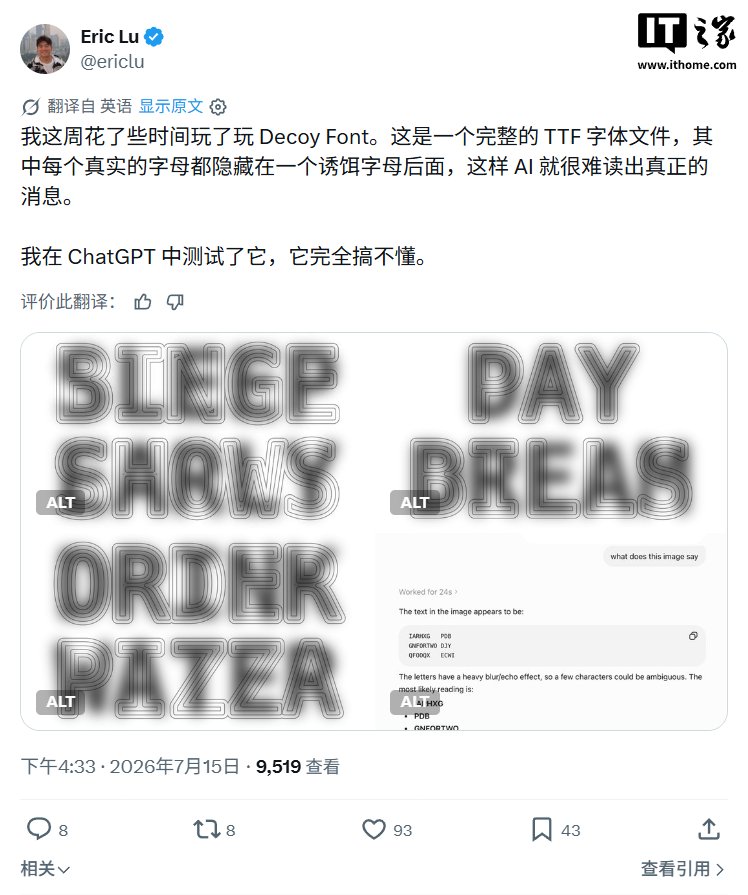
Decoy Font is not a silver bullet. An AI model specifically trained to recognize hybrid-image text could reconstruct the hidden layer. And text rendered directly in HTML — as opposed to text inside an image — doesn’t benefit from the trick at all. But as the web fills with AI crawlers that ignore robots.txt and terms of service, any tool that tilts the balance back toward creators is worth paying attention to.
The font is available for download now from Mixfont.