DeepMind CEO: We Have a 'Precious Window' to Get AGI Safety Right
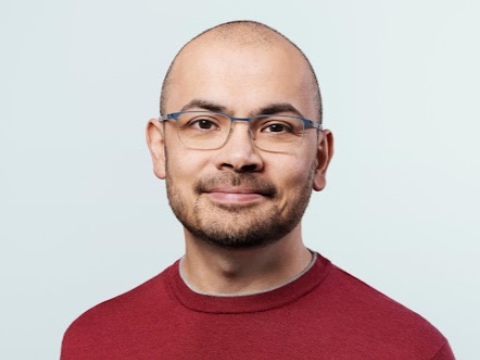
Demis Hassabis, the co-founder and CEO of Google DeepMind, has spent years thinking about what happens when machines get smarter than us. This week, he took that message public with a stark sense of urgency: the window to prepare for artificial general intelligence is closing fast.
“Humanity still has a precious time window to take action before AGI arrives,” Hassabis wrote on X. “It could appear in just a few years.”
The timing is notable. Hassabis has previously predicted AGI could arrive by 2030 — a timeline that puts the industry’s current trajectory squarely in the crosshairs of public concern. At Davos last year, he was more measured but no less direct. “The changes over the next five to ten years will be extremely significant,” he said. “I don’t think people really understand that yet.”
This latest statement goes further. Hassabis is now calling for a US-led international coalition to conduct mandatory safety reviews before the most advanced AI models are released to the public. The proposed framework borrows an existing model from finance: the Financial Industry Regulatory Authority, or FINRA, a private-sector organization Congress authorized to oversee Wall Street.
Under Hassabis’s proposal, a similar body would evaluate frontier AI models before deployment. It would bring together independent experts and open-source community representatives, and it would be funded by the industry itself. If a model posed unacceptable risks, the agency could coordinate a slowdown across labs — a collective brake rather than a race to the bottom.
But Hassabis isn’t just talking about regulation. His message cuts deeper, touching on questions that go well beyond technical benchmarks or safety protocols.
“What values do we want to live by? What will be the meaning and purpose of life? How will humanity’s own circumstances change?” he wrote. “Finding answers to these questions cannot and should not be left to technicians alone. The whole of society needs to participate in defining this new era.”
It’s a striking position for the head of one of the world’s most advanced AI labs to take. Rather than downplaying risks or promising self-regulation, Hassabis is pushing for external oversight and inviting philosophers, economists, and other domain experts into a conversation that has largely been dominated by engineers.
He ended his post with a line that lands like a warning: “The choices we make together right now will determine the direction of the next chapter of civilization.”
Whether governments are ready to act on that timeline is another question entirely. But the message itself is becoming harder to ignore — especially when it’s coming from inside the room where the technology is being built.