GM Invests $150 Million in Cadillac Gas-Powered Vehicles as Detroit Pivots Back from EV-Only Push
General Motors has announced a $150 million investment in its Spring Hill Assembly Plant in Tennessee to support a future Cadillac gasoline-powered vehicle, marking the latest sign that the Detroit automaker is hedging its all-in EV bet with continued combustion engine development.
The move comes as Cadillac works to fill gaps in its combustion-engine lineup. The brand has confirmed it will launch a next-generation XT5 in the second half of 2027, and a new CT5 is already in development. Details on the updated XT5 remain scarce, but the Chinese-market version — launched two years ago — offers a glimpse of what’s to come.
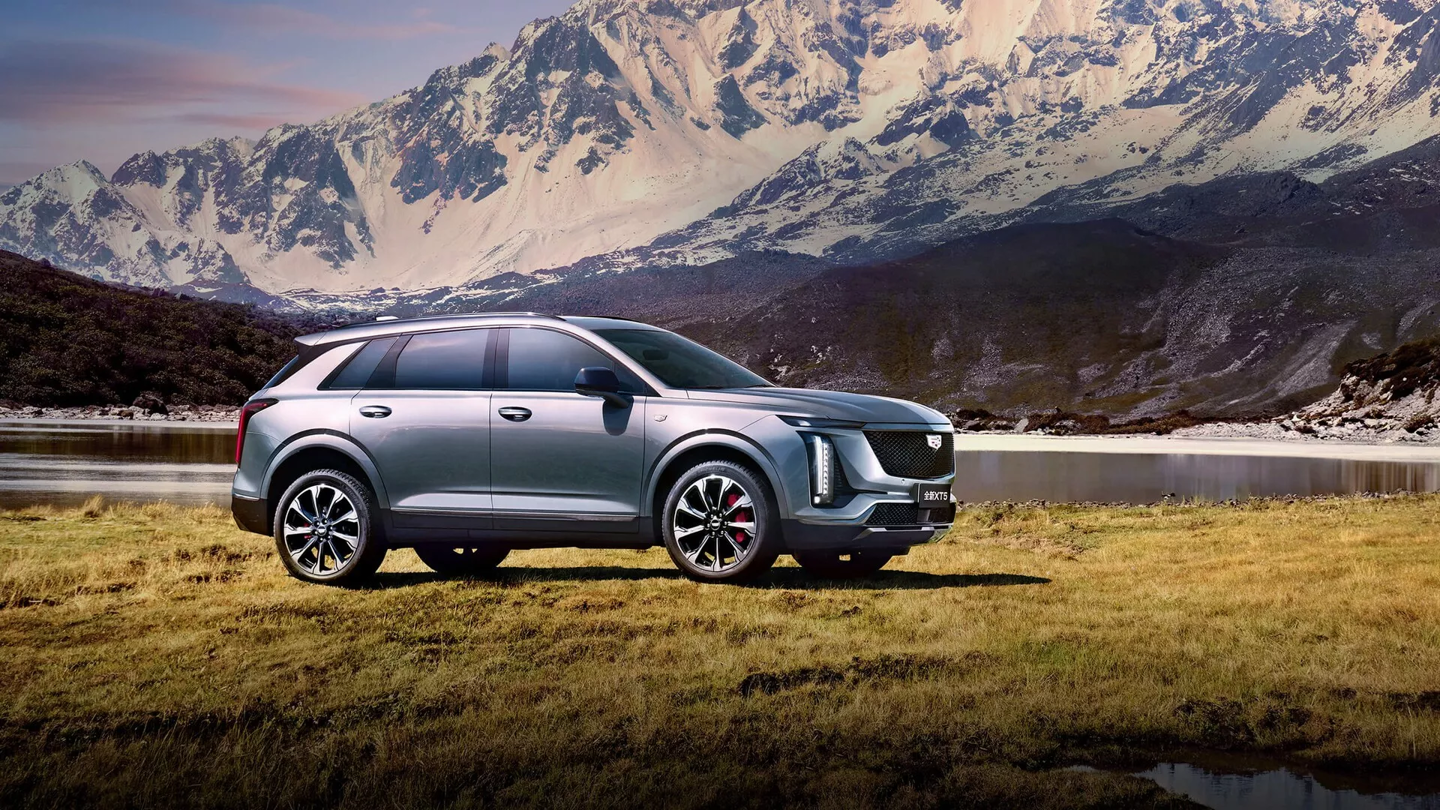
The China-spec XT5 adopts a design language inspired by the Lyriq EV, with a more modern exterior and a larger body than its predecessor. Inside, it features a 33-inch curved display, semi-aniline leather seats, 126-color ambient lighting, a panoramic sunroof, a 15-speaker AKG audio system, a crystal-textured knob with the signature Cadillac crest, wood and aluminum trim, and a streaming media rearview mirror with a 9.3-inch display.
Under the hood, the Chinese-market XT5 is powered by a 2.0-liter turbocharged four-cylinder engine producing 174 kW (233 hp) and 350 Nm of torque, paired with a 9-speed automatic transmission. It sprints from 0 to 100 km/h in approximately 8 seconds and reaches a top speed of 210 km/h. The American-market powertrain lineup has yet to be confirmed.
Beyond the assembly plant investment, GM is pouring an additional $125 million into the Spring Hill Global Powertrain facility to continue production of its 2.7-liter turbocharged four-cylinder engine. The funds will be used to retool equipment, extend the engine program’s lifecycle, and support powertrain production for key truck models including the Chevrolet Colorado, GMC Canyon, Chevrolet Silverado, and GMC Sierra.
The investments total $275 million and underscore a broader industry trend: even as automakers pour billions into electric vehicle development, the transition is proving slower and more expensive than anticipated, forcing companies like GM to maintain and even refresh their combustion-engine product lines to sustain revenue and factory utilization in the near term.