Google Trained an AI on 1 Trillion Minutes of Wearable Data — It Beats Traditional Methods on 34 of 35 Health Tasks
Fitbits and Pixel Watches have been strapped to millions of wrists for years, quietly collecting heart rates, sleep patterns, and step counts. That data is now being put to work in a way that could change how we think about AI in medicine.
Google Research announced SensorFM on Wednesday — a foundation model for wearable health data built from the ground up on real signals, not synthetic benchmarks. The model was pre-trained on data from 5 million consenting participants across more than 100 countries, using 20 different Fitbit and Pixel Watch models. The training corpus, collected between September 2024 and September 2025, amounts to over 2 billion hours — more than 1 trillion minutes — of continuous sensor readings.
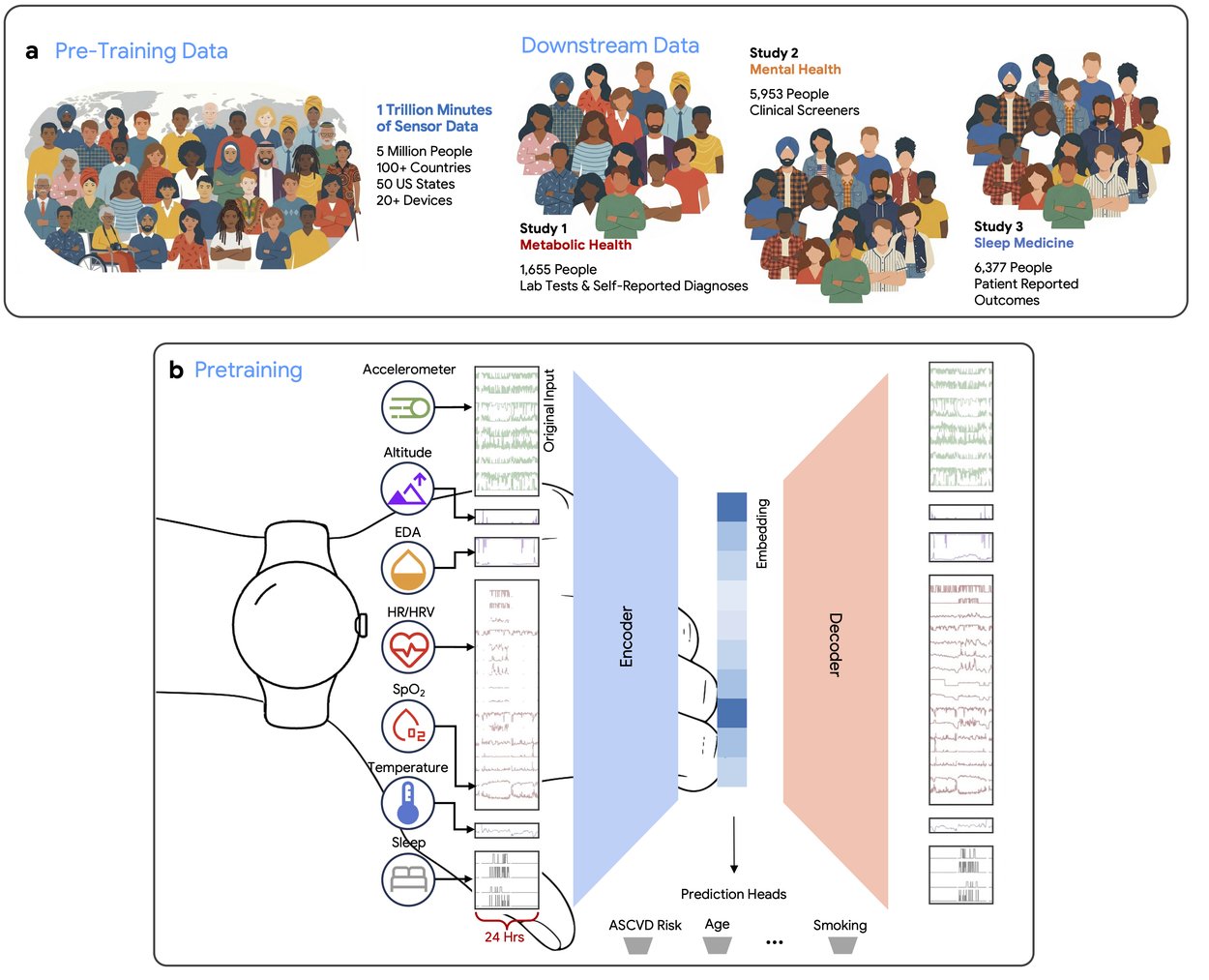
The model ingests 34 one-minute aggregate features drawn from five sensor types: PPG (photoplethysmography) for blood volume changes, accelerometry for motion, electrodermal activity for sweat response, skin temperature, and altimeter data. These feed into a model that tracks heart rate, heart rate variability, blood oxygen saturation, sleep stages, movement and step counts, skin conductance, and body temperature over 24-hour windows.
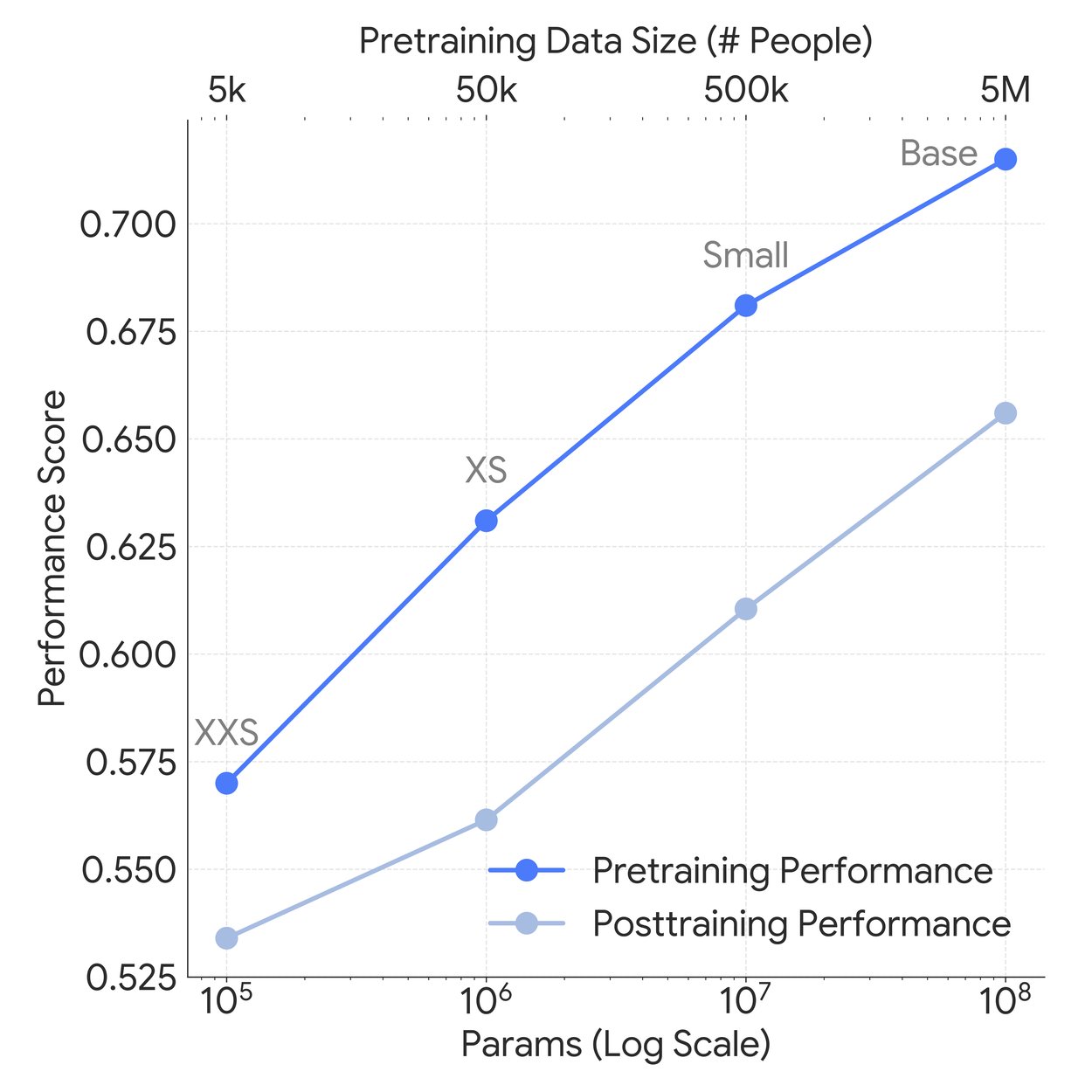
SensorFM comes in four sizes — XXS, XS, S, and B. The largest variant, SensorFM-B, reduces reconstruction loss by 31 percent compared to the smallest, improves average AUC across classification tasks by 9 percent, and boosts the Pearson correlation coefficient on regression tasks by 21 percent.
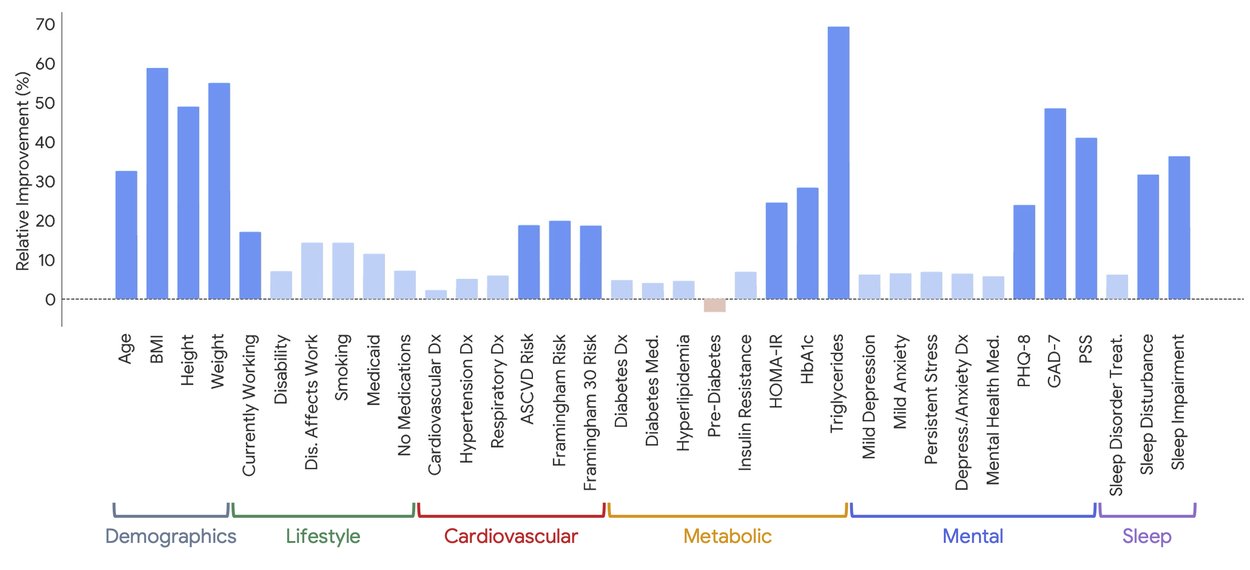
The team put SensorFM-B through 35 discriminative health tasks spanning six categories: cardiovascular risk, metabolic risk, mental health, sleep, demographics, and lifestyle. The model won on 33 of them outright. When evaluated using linear probing — a lightweight fine-tuning method that measures how well the learned representations transfer — it outperformed feature-engineered supervised baselines on 34 out of 35 tasks.
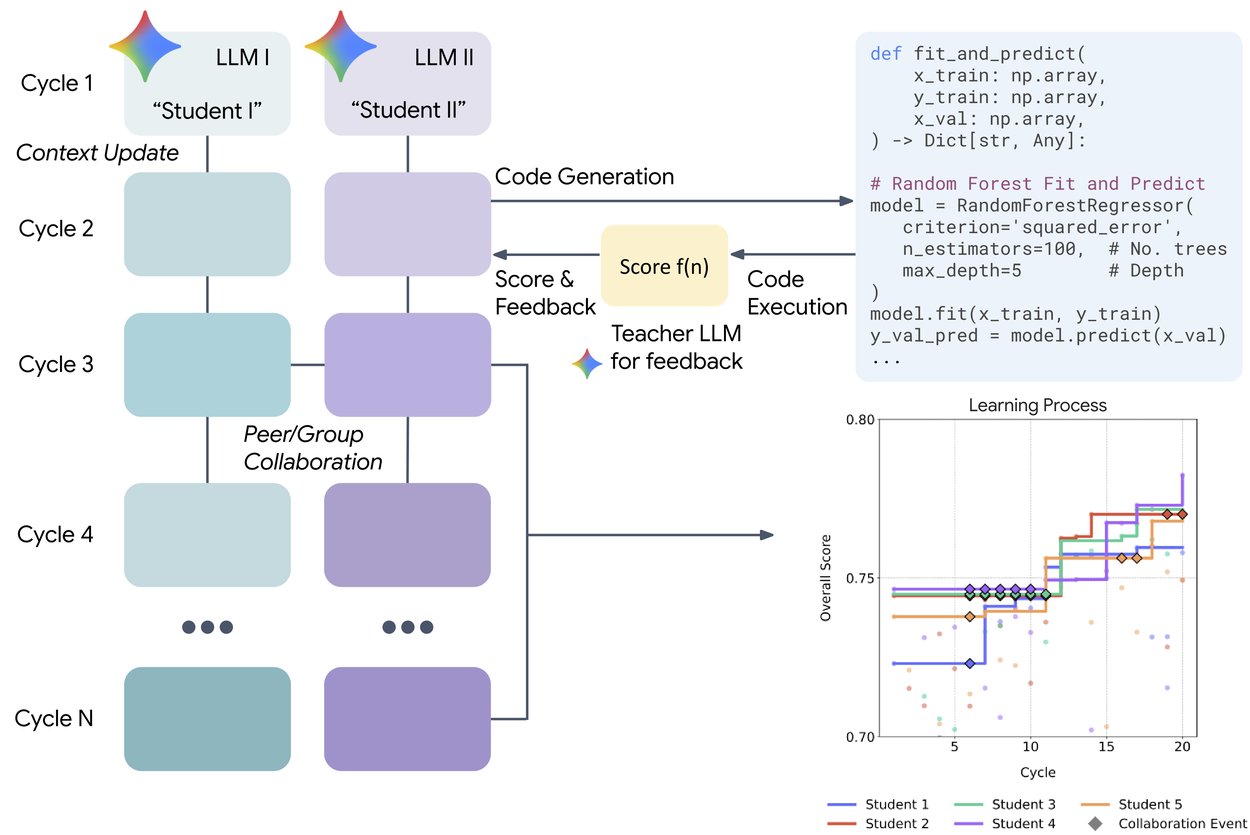
Perhaps the most interesting part of the paper is the agentic “classroom” the researchers built alongside the model. A group of collaborating and competing LLM agents iteratively generate, test, and optimize inference code — exploring over 30,000 candidate prediction heads in the process. The result: prediction heads that beat linear probes on 16 out of 20 classification tasks and 12 out of 15 regression tasks. In other words, the AI is writing better analysis tools for the AI’s own sensor representation.
The implication is straightforward. Wearable devices already generate a firehose of physiological data, but most of it goes unused — a few summary numbers on a dashboard, maybe a weekly trends email. SensorFM suggests there’s far more signal buried inside those raw sensor streams, and that a model trained at sufficient scale can extract it reliably enough to outperform traditional hand-crafted feature pipelines across the board. For cardiology, sleep medicine, and metabolic health monitoring, that’s a meaningful step forward.