Huawei Plans $10B+ AI Computing Push for Autonomous Driving Over Next 5 Years
Huawei is making a massive bet on compute. At the 2026 Huawei Qiankun Media Day in Shenzhen, Jin Yuzhi, CEO of Huawei’s Smart Car Solutions BU, revealed that computing power for the company’s Qiankun autonomous driving platform has grown more than 20-fold since 2023 — and the spending is only accelerating.
Jin said compute is the fundamental prerequisite for safe autonomous driving, and Huawei plans to invest between 70 and 80 billion yuan — roughly $9.6 to $11 billion — in computing R&D over the next five years. That’s not vague ambition; it’s a specific budget allocation for a company that already treats compute as a first-class product input.
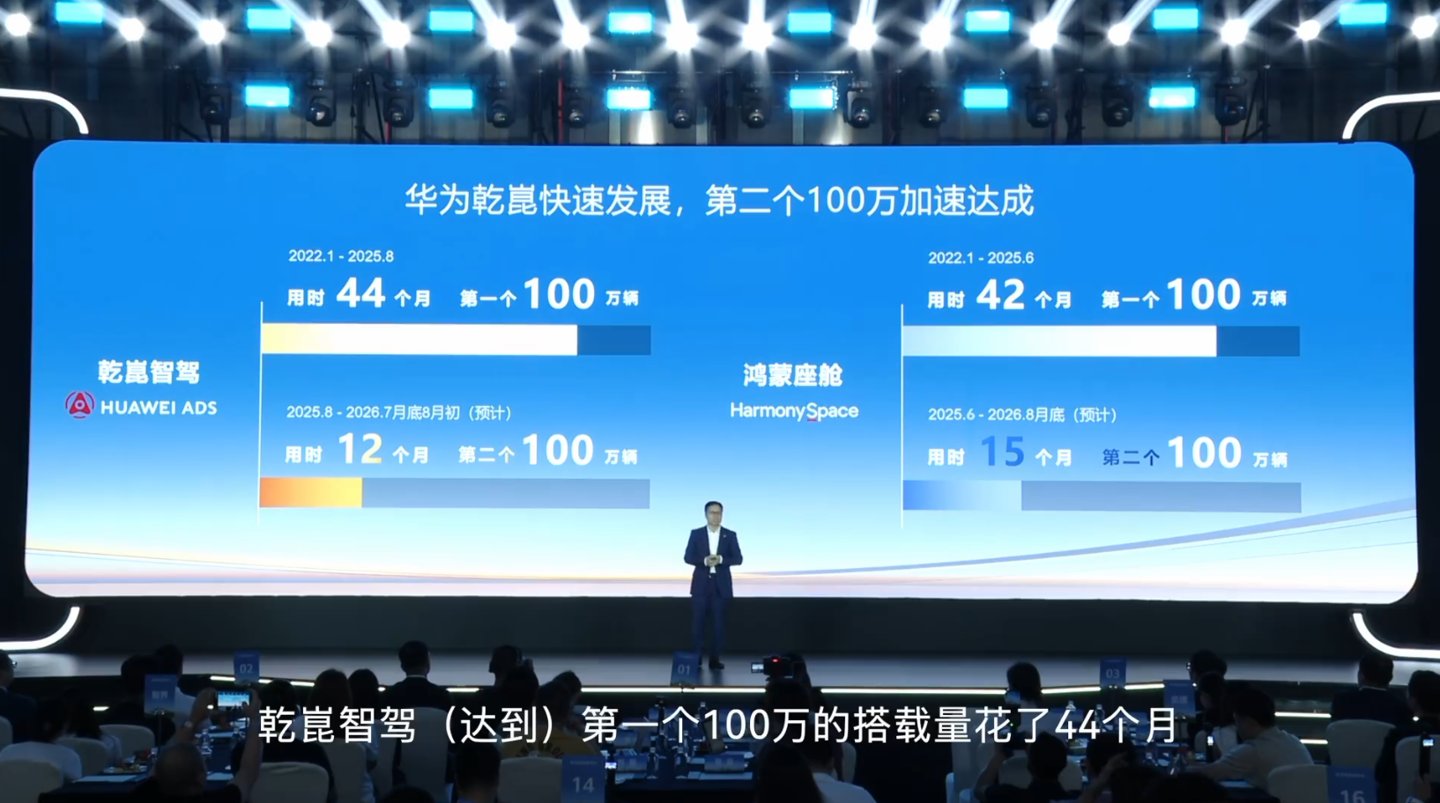
The numbers on adoption tell a parallel story. Huawei’s Qiankun smart driving system took 44 months to hit its first 1 million installations. The second million is projected to take just 12 months. A similar pattern holds for HarmonyOS Cockpit: 42 months for the first million, 15 months for the second.
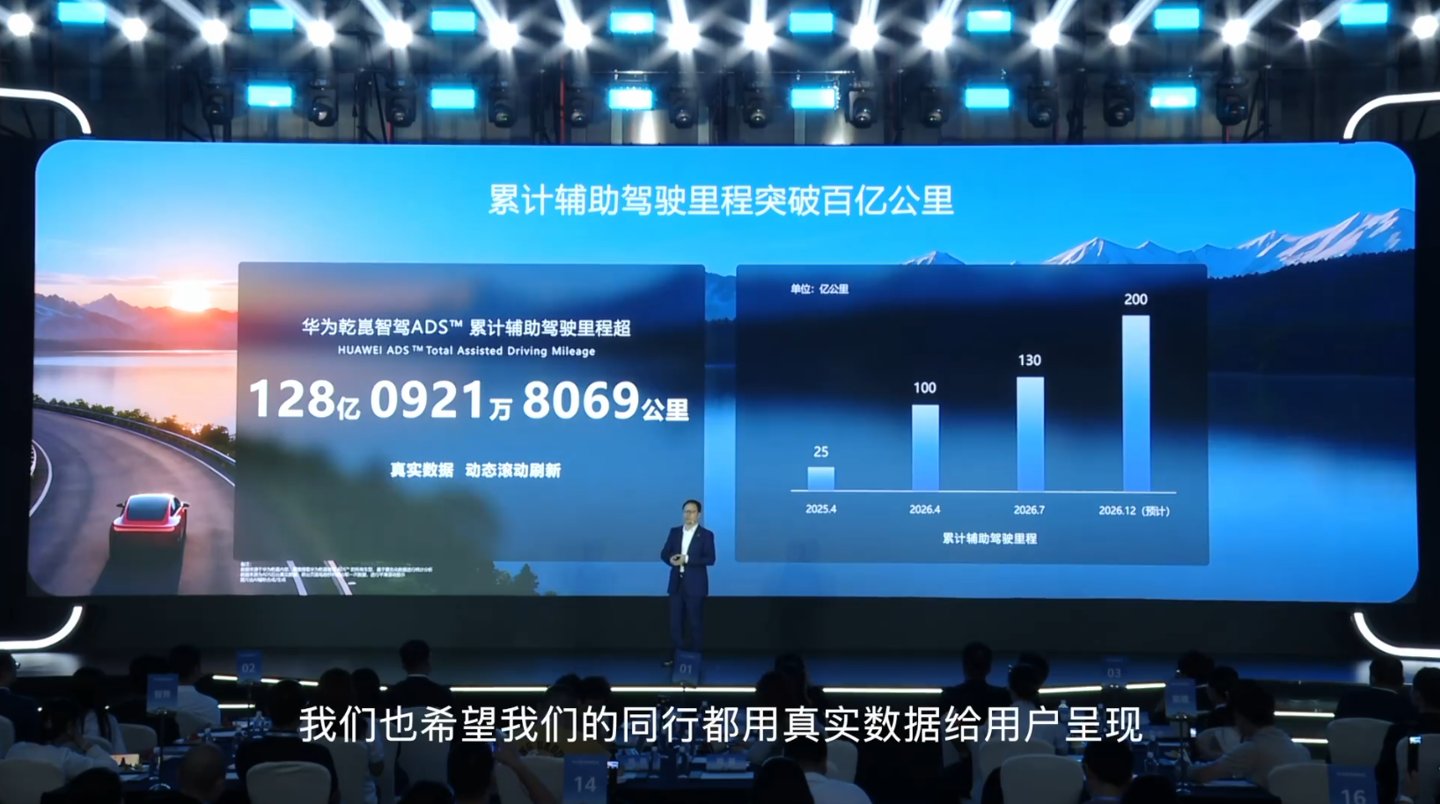
Jin also addressed a subtle technical detail that speaks to the rigor of Qiankun’s data pipeline. The cumulative assisted driving mileage counter displayed in vehicles continues updating even when the internet connection drops. Huawei applies smoothing algorithms on the displayed data to mask network latency and packet loss. Jin insisted the underlying numbers are accurate, and challenged competitors to present their own driving data with the same transparency.
The contrast between the first-million and second-million timelines is the real headline here. A 4x acceleration in installation pace signals that Huawei’s strategy — embedding Qiankun across a widening range of vehicle brands under the “empower, don’t compete” model — is gaining real traction. If the current trajectory holds, the compute investment won’t just fund better autonomous driving. It may reshape who gets to compete in the smart car market at all.