Huawei's smart driving tech will be in 2 million cars by September
There’s a difference between wanting to be an automaker and wanting to power every automaker. At the 2026 Huawei Qiankun Media Day in Shenzhen this week, Huawei made clear it still belongs to the second camp.
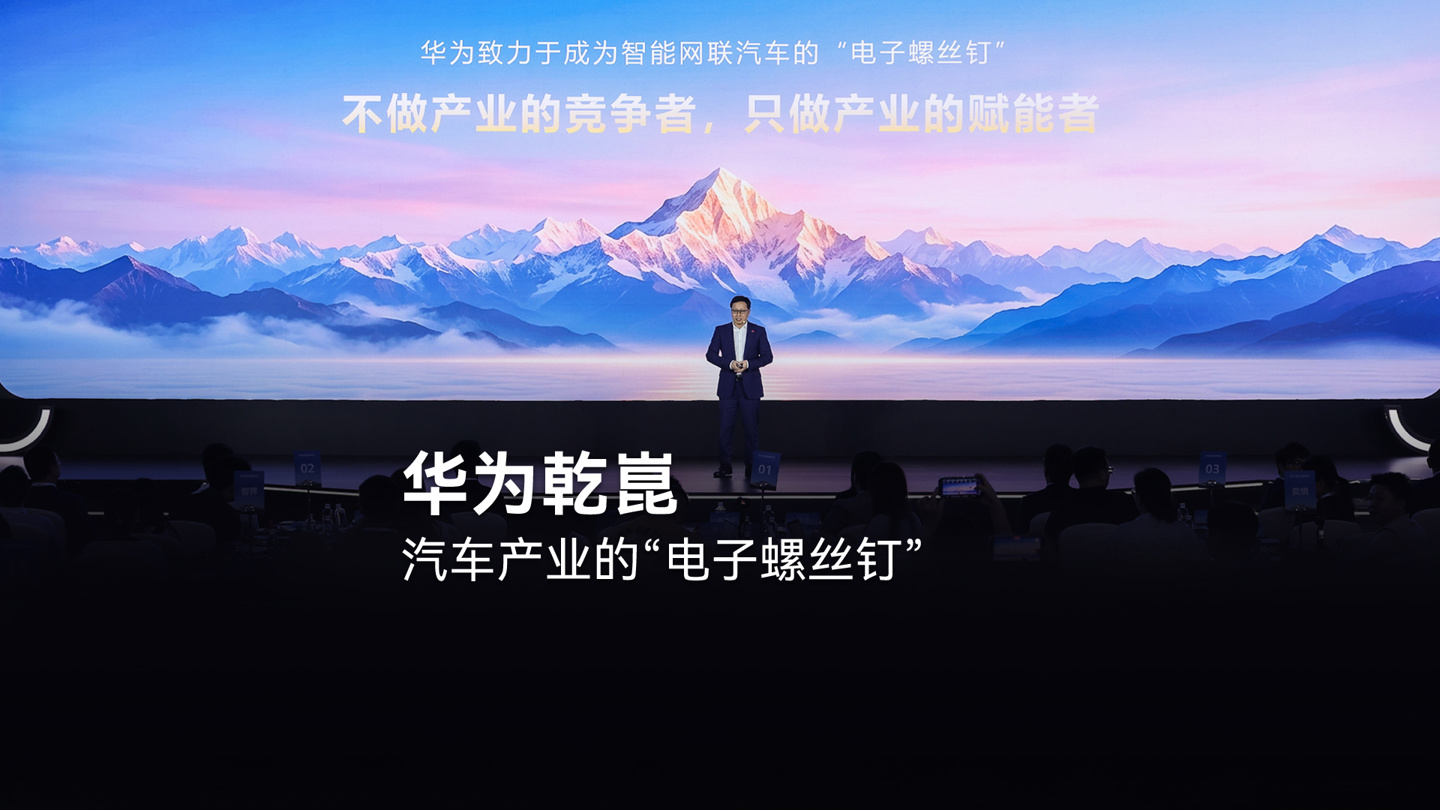
Jin Yuzhi, CEO of Huawei’s Intelligent Automotive Solutions BU, took the stage to reiterate the company’s now-familiar position: Huawei doesn’t compete with carmakers — it supplies them. “We don’t want to be a competitor in the industry. We want to be an enabler,” he said, framing Huawei as an “electronic screw” in the smart vehicle age. It’s a strategy that’s showing real traction.
The numbers back him up. Huawei’s Qiankun smart driving system has already surpassed 1.9 million cumulative installations. By the end of August, both Qiankun Zhijia and the Hongmeng smart cockpit will have crossed the 2-million-install mark — within weeks of each other, according to Jin.
The technology under the hood draws directly from Huawei’s ICT roots. The company’s lidar systems, for example, borrow from its fiber-optic communications core technology. Millimeter-wave radar taps into the 5G wireless expertise Huawei spent over a decade building. And the compute hardware runs on the Ascend AI platform — the same architecture powering Huawei’s data-center AI accelerators.
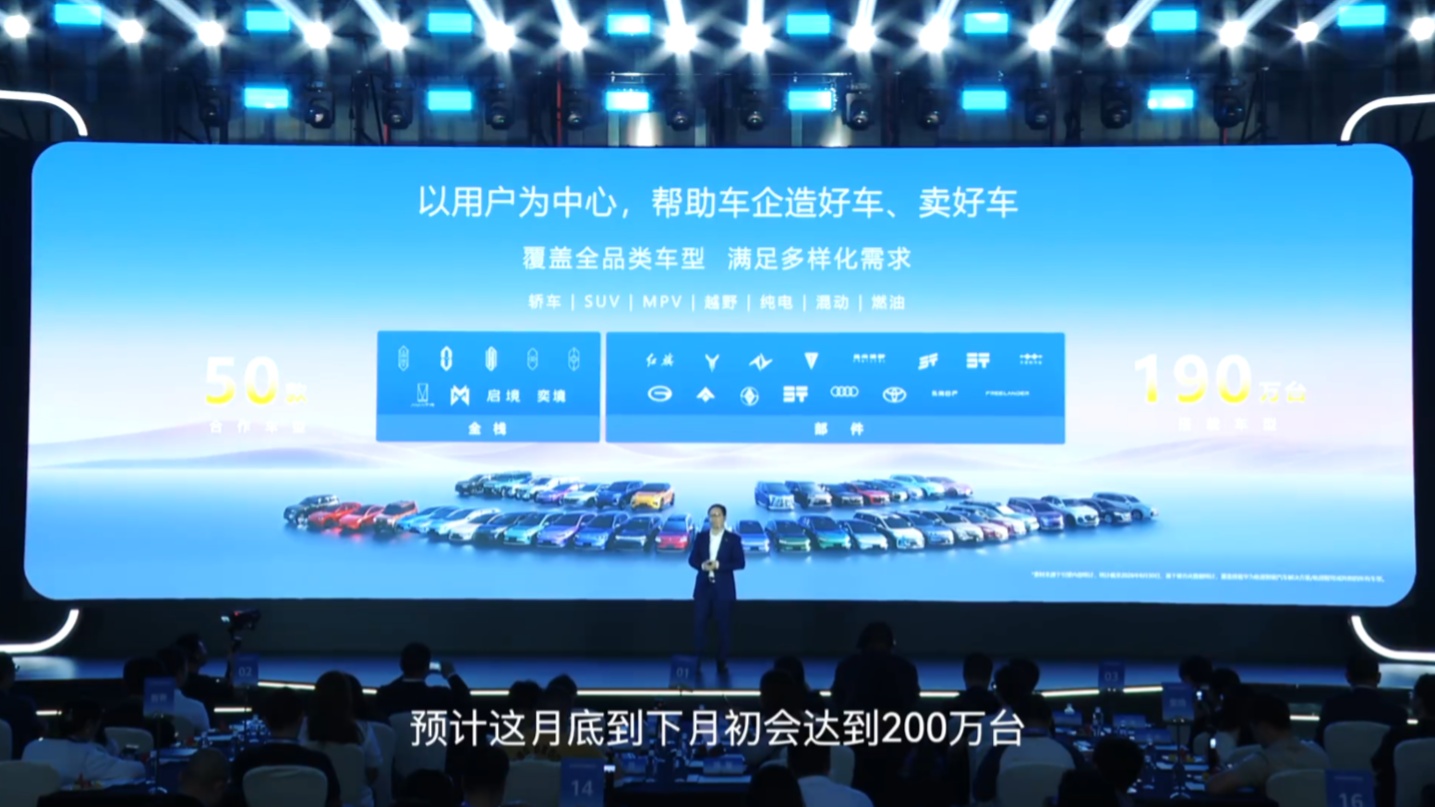
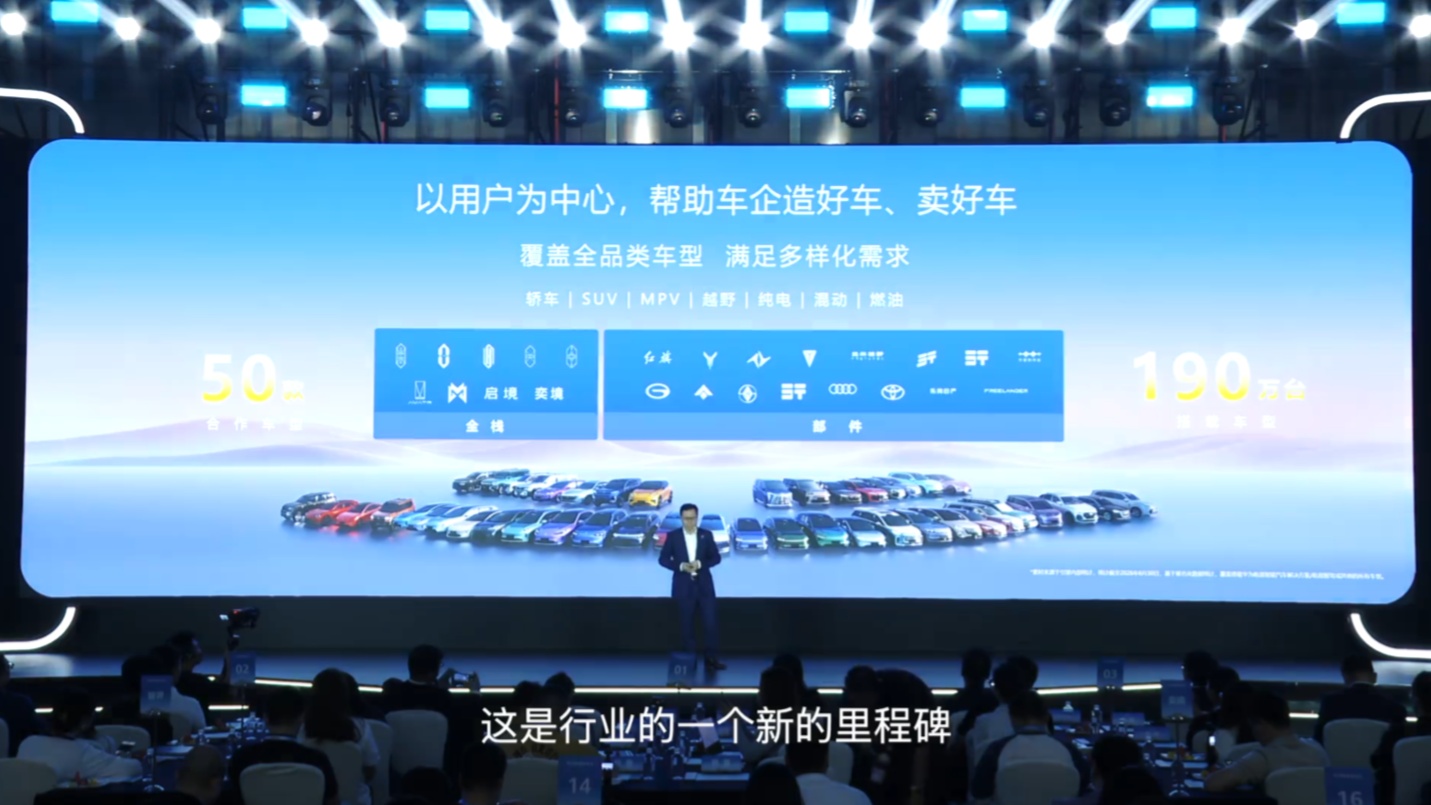
The message from Shenzhen is clear: Huawei isn’t building cars, but it wants to be inside as many of them as possible. Two million installs before September — across both smart driving and cockpit systems — gives it a credible claim that the strategy is working.