Nintendo Says Switch 2 Production Costs Will Keep Rising as Chip Prices Bite
Nintendo’s Switch 2 hasn’t even been out for a full year yet, and it’s already getting more expensive to build. At a shareholder meeting this week, company president Shuntaro Furukawa told investors to expect component costs to keep climbing through at least 2028.
The chip shortage that has driven up prices across consumer electronics isn’t letting up anytime soon, and Nintendo is feeling the squeeze just like everyone else. Sony has raised the PS5’s price twice since launch. Microsoft has done it three times with the Xbox Series X|S. Now it’s Nintendo’s turn: the Switch 2, which originally launched at $459, will jump to $499 starting September 1.
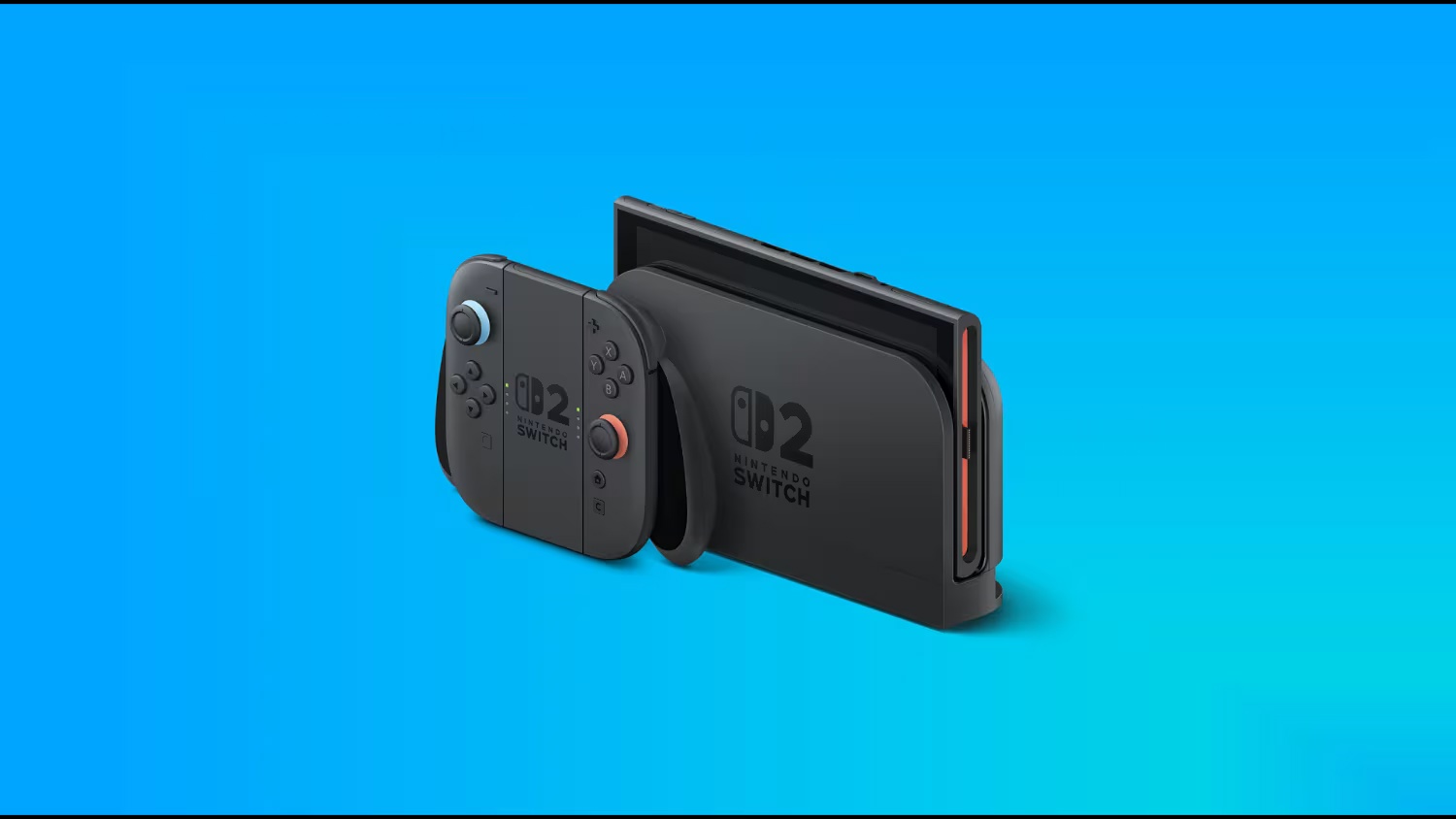
The question came up directly during Nintendo’s latest annual general meeting. A shareholder asked how rising chip prices would shape the company’s roadmap. Furukawa’s answer was blunt: Nintendo is drafting its business plan for the 2028 fiscal year (April 2027 through March 2028) under the assumption that memory and storage prices will keep trending upward.
So far, higher memory procurement costs haven’t made a noticeable dent in Nintendo’s bottom line. The fiscal year that ended in March 2026 — the Switch 2’s launch window — absorbed the hit without meaningful impact. But Furukawa warned that starting this fiscal year (April 2026 to March 2027), those rising component costs will start cutting into operational margins.
Furukawa framed the price pressure as a forcing mechanism. Rather than compete on hardware margins, Nintendo plans to double down on its core strategy: make games compelling enough that people buy the console specifically to play them. It’s the same software-first approach that carried the original Switch to 140 million units, even when its hardware was technically outmatched by the PS4 and Xbox One.
Whether that formula works at $499 remains to be seen. But if component prices keep rising as Furukawa expects, Nintendo may not have much of a choice.