NVIDIA's Jetson AI Platform Is Headed to Lunar Orbit
When Firefly Aerospace’s Blue Ghost 1 lander touched down on the moon in March 2025, it beamed back nearly 120GB of raw data — images and video from onboard cameras. Scientists are still processing it.
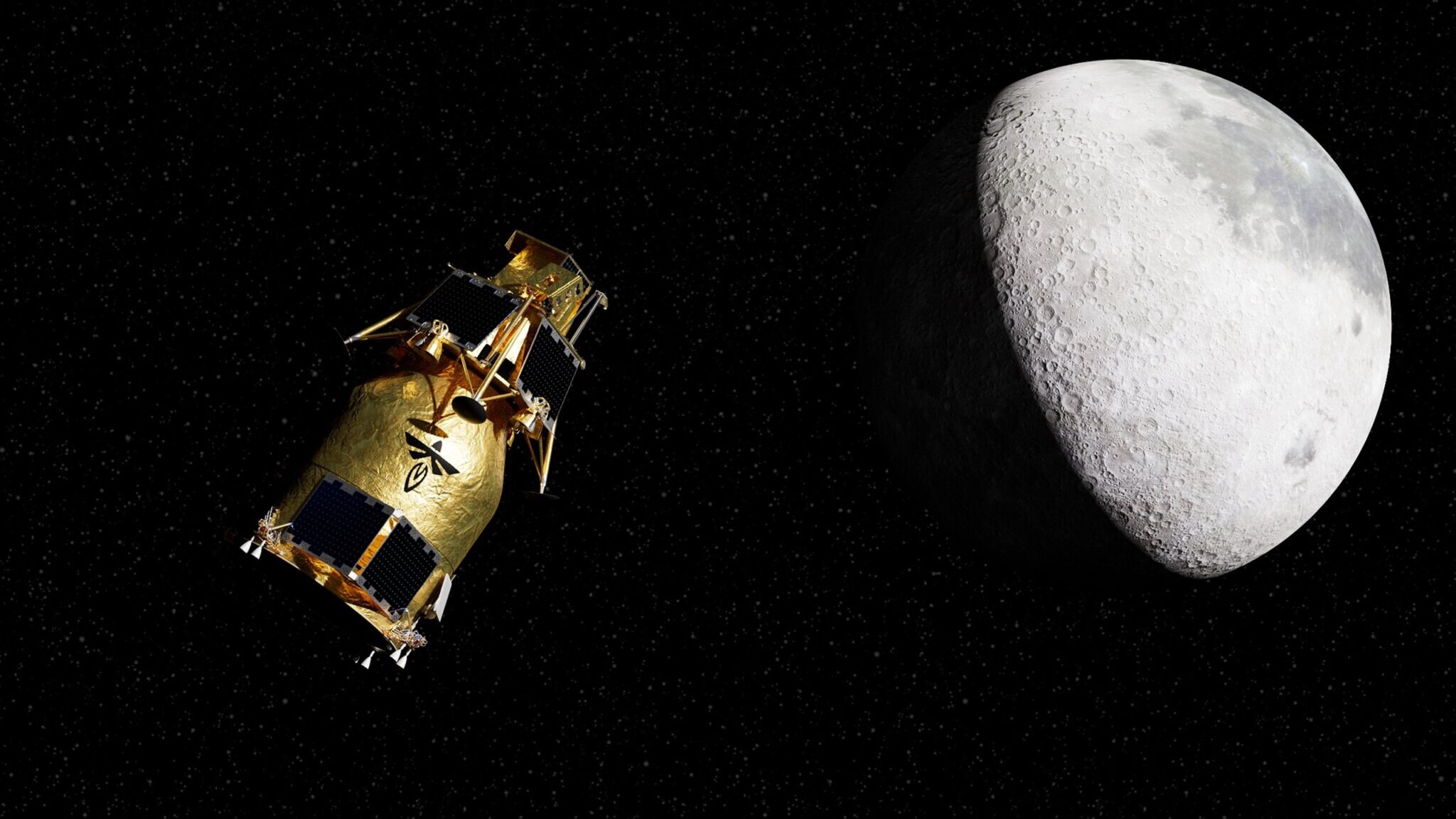
The company’s next mission won’t wait for Earth-bound analysis.
Blue Ghost 2, scheduled for late 2026, will carry Firefly’s Ocula lunar imaging system into orbit around the moon. For the first time, an NVIDIA Jetson edge AI platform will run machine learning inference directly in lunar orbit. Instead of shipping raw data back to Earth and waiting weeks or months for processing, Ocula will analyze images onboard, extract the useful information, and transmit only what matters — nearly in real time. The approach slashes communication latency and reduces the cost of downlinking data from deep space.
The mission has two components. A lander will detach and touch down on the far side of the moon, carrying a radio telescope and other scientific instruments for a NASA-funded project led by the University of California, Berkeley. Its goal: detect faint signals from the universe’s “cosmic dark age,” shortly after the Big Bang. Meanwhile, Firefly’s Elytra orbital vehicle will circle the moon for five years, hosting Ocula and its Jetson AI processing pipeline the entire time.
The technical shift matters. Traditional deep-space missions collect sensor data and send it over radio links with limited bandwidth and punishing latency. Processing happens on Earth-bound CPUs, often taking days or weeks to extract actionable results. By putting NVIDIA Jetson hardware directly in orbit, Firefly can run AI inference at the edge, compressing that cycle from weeks to minutes.
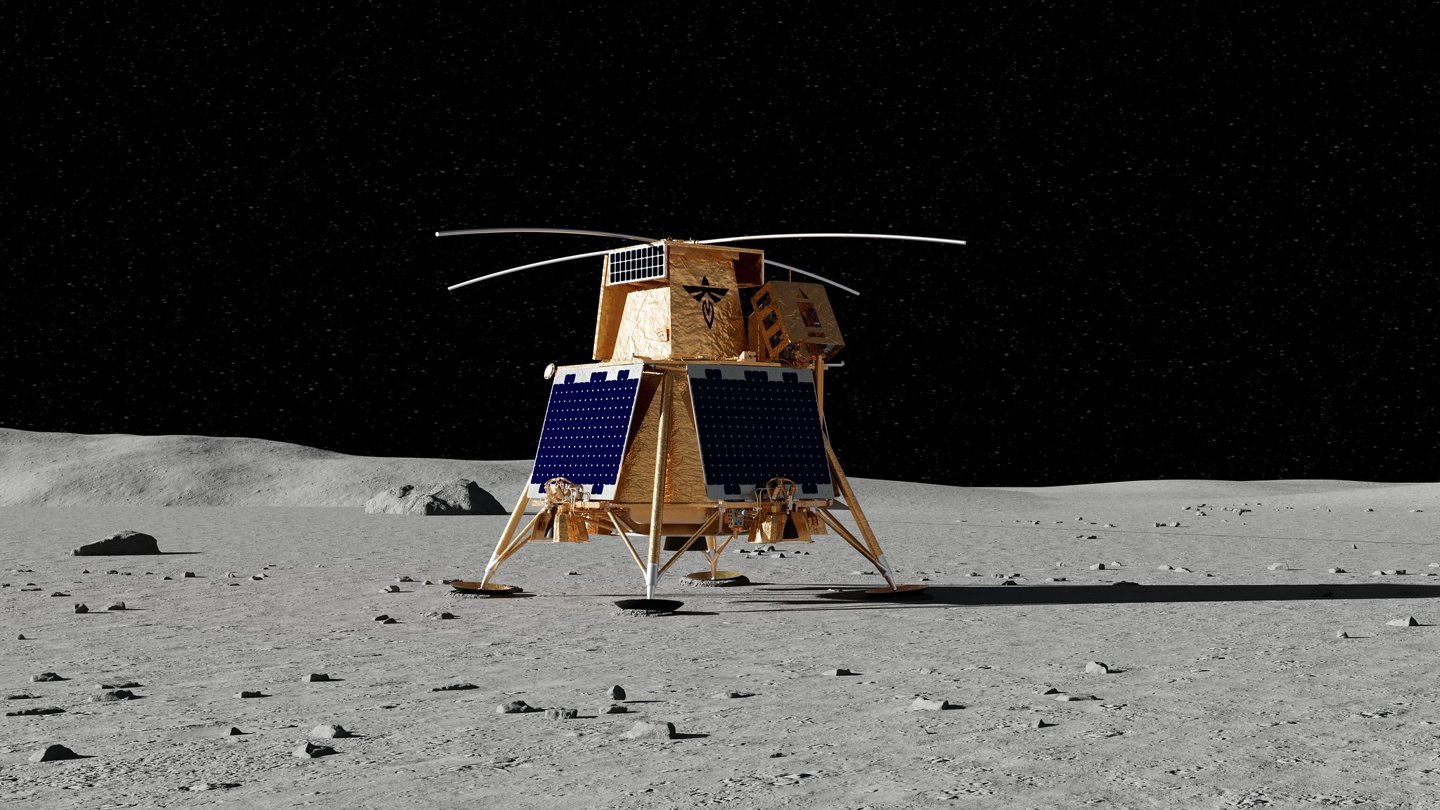
Ocula’s sensors capture ultraviolet and visible-spectrum imagery. Aboard Elytra, the data is processed onboard, and the Jetson module autonomously decides what to send back. The hardware runs on solar power, paired with AI software developed by a Firefly subsidiary.
The applications go well beyond a single mission. High-resolution orbital imagery can map potential landing sites for future crewed and robotic missions. Spectral analysis can identify minerals like ilmenite — a titanium-iron oxide that could be a valuable resource for lunar energy production. As more countries and companies set their sights on the moon, Ocula can track infrastructure, vehicles, and activity on the surface in real time. In the cislunar space between Earth and the moon, the system can monitor spacecraft and orbital operations.
Firefly plans to fly Ocula on successive Blue Ghost missions, iterating the technology each time. When NVIDIA’s next-generation space-grade hardware — the Space-1 Vera Rubin module — becomes available, Firefly intends to adopt it.
Firefly’s customers span NASA, the US Space Force, and private companies in the space, mining, and energy sectors — organizations that see the moon as a source of resources and, eventually, a place for permanent operations. NASA alone is planning roughly 30 uncrewed lunar missions over the next few years. The window for in-orbit AI is opening fast.
Firefly Aerospace is based in Austin, Texas, and participates in NVIDIA’s startup accelerator program.
“All AI computation and perception work will eventually be done in space,” Firefly CEO Jason Kim said. “Just like the undersea cables that connect continents and power the internet, we want to replicate that kind of infrastructure in space — linking orbital constellations to create capabilities no single satellite can achieve on its own.”