OpenAI Quietly Tests Bidi 1, Its First Bidirectional Voice Model for ChatGPT
OpenAI appears to be rolling out the most significant upgrade to ChatGPT’s voice capabilities yet. Reports from users and a new leak suggest the company is testing a bidirectional voice model called Bidi 1, which promises to make conversations with the AI feel far more natural by letting it listen and speak at the same time.
The discovery was first reported by technology outlet TestingCatalog, which noted that a number of users on both the web and mobile versions of ChatGPT have spotted Bidi 1 nestled inside the app’s model selector. It joins the existing Standard Voice and Advanced Voice modes as a third option, marked by a distinctive yellow speech bubble in the interface.
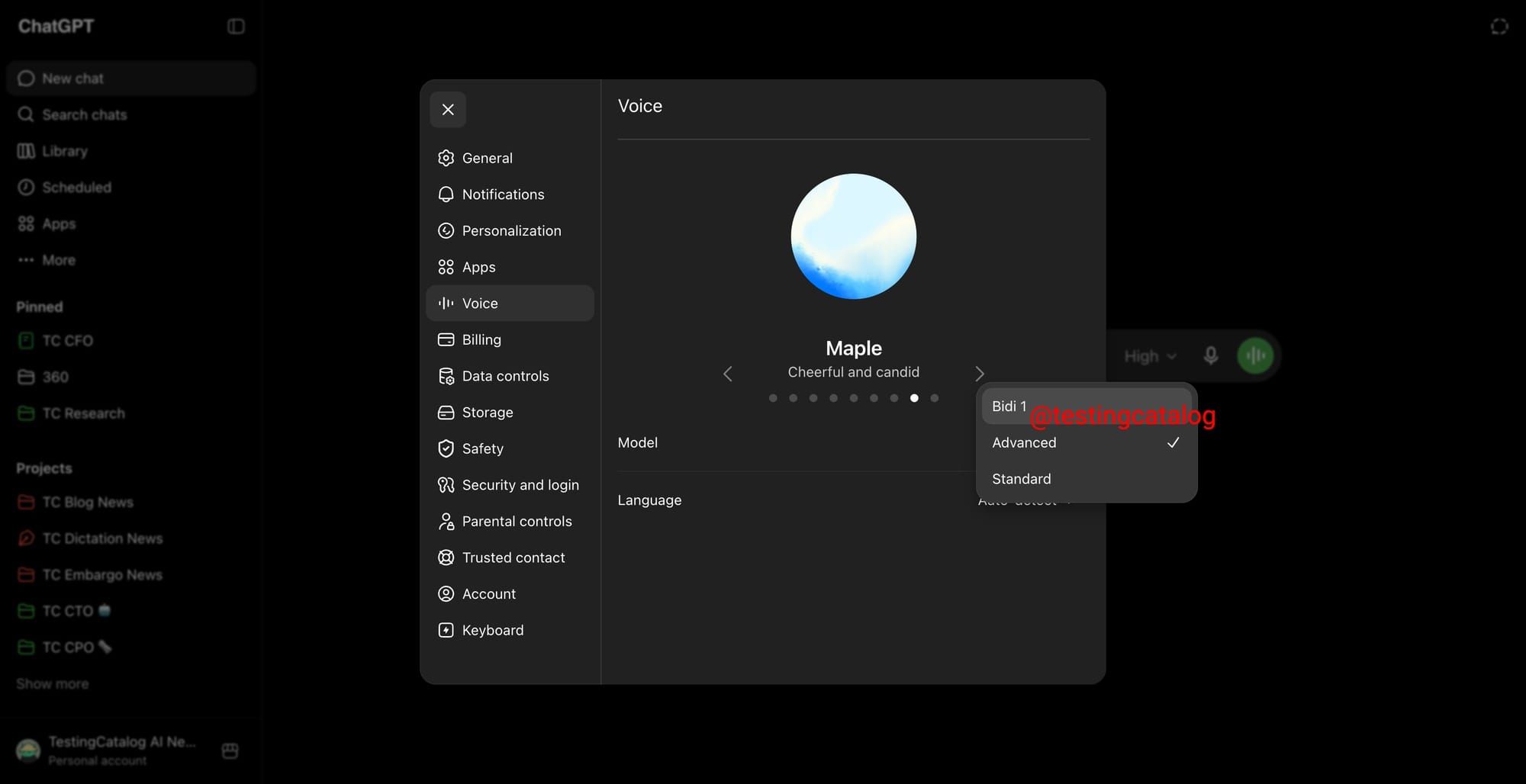
What Makes Bidi 1 Different
The defining feature of Bidi 1 is bidirectional parallelism — the ability to talk and listen simultaneously. Current voice AI models, including ChatGPT’s existing Advanced Voice mode, operate in a turn-based fashion: the user speaks, the model processes, the model responds, and only then can the user speak again. Bidi 1 breaks this constraint entirely.
In practice, this means you can interrupt ChatGPT mid-sentence, change the subject, or ask a follow-up question without waiting for its current response to finish. The model processes your new input immediately and adjusts on the fly.
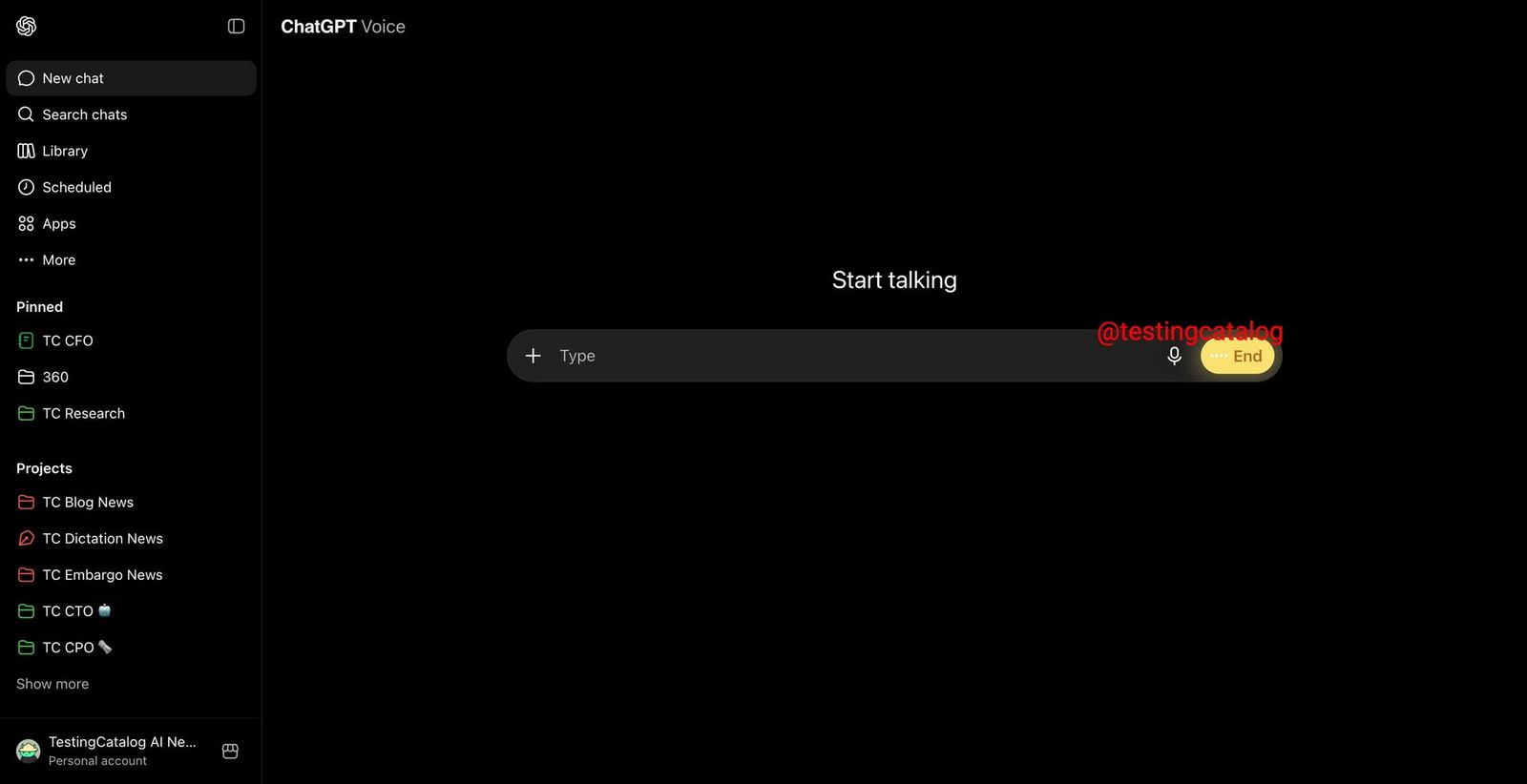
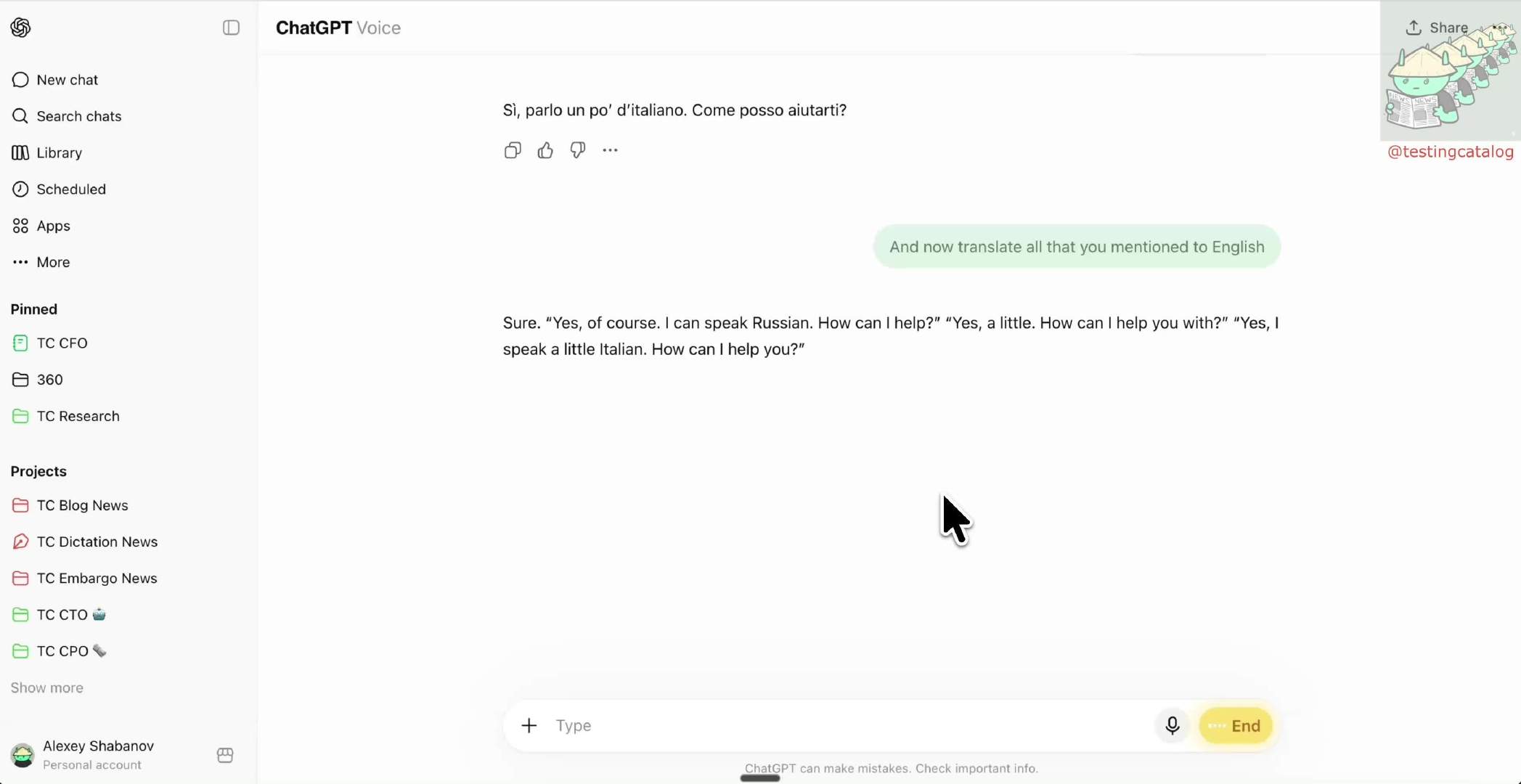
A test video shared by early users offers a striking demonstration. A user asks Bidi 1 to count from one to ten. Midway through the sequence, they interrupt and ask it to count backwards instead. The model instantly pivots and begins counting down without missing a beat — no awkward pause, no “sorry, let me start over.”
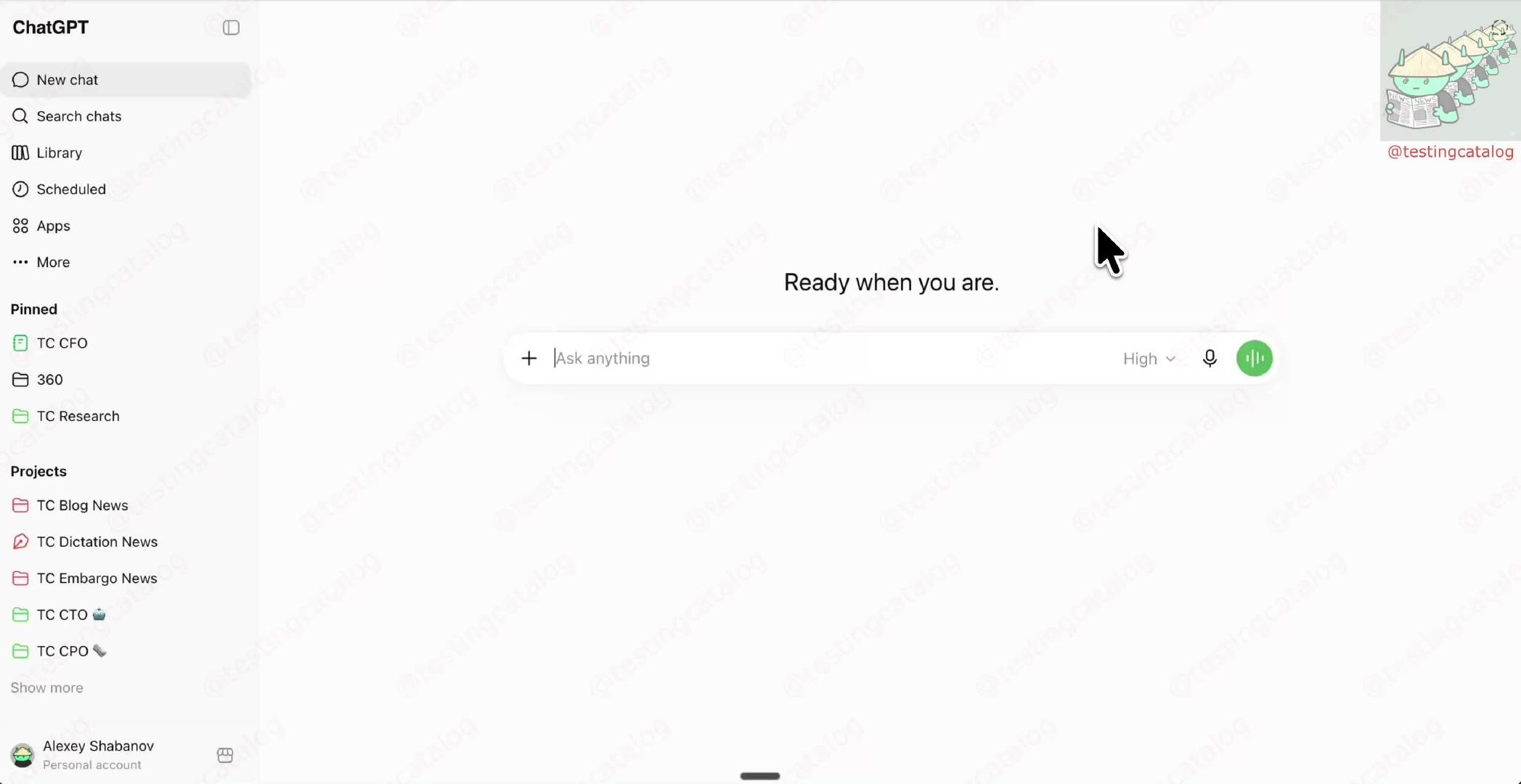
This capability brings AI voice interaction significantly closer to the flow of real human conversation, where interruptions, overlapping speech, and mid-sentence course corrections are the norm rather than the exception.
Technical Implications
Bidi 1 represents more than a user-experience polish. Enabling true full-duplex audio processing — where the model must track its own speech output while simultaneously parsing new audio input — is a non-trivial engineering challenge. It requires the model to maintain a coherent conversational state across overlapping signals, something that even some of the most advanced speech systems have struggled with.
The presence of Bidi 1 in the model selector also hints at OpenAI’s broader architectural direction. Rather than treating voice as a thin wrapper around text generation, the company appears to be building native multimodal models that treat audio as a first-class modality — part of a trend that competitors like Google’s Gemini and the open-source community are also pursuing.
When Can You Try It?
OpenAI has not yet made an official announcement regarding Bidi 1. However, TestingCatalog reports that a wider rollout could begin as early as this week. The model appears to be in a limited testing phase, gradually appearing for more users across different platforms.
When Bidi 1 does launch broadly, it will mark ChatGPT’s most substantial voice upgrade since Advanced Voice mode debuted, and could reshape user expectations for what conversational AI should feel like — less like talking to a machine, and more like talking to a person.