Samsung Display Wins Apple Mass Production Certification to Exclusively Supply OLED Panels for Foldable iPhone
Samsung Display has cleared a major milestone on the path to Apple’s first foldable iPhone. According to a report from South Korean outlet The Elec, Apple has officially approved Samsung Display to begin mass production of foldable OLED modules, with the supplier already activating part of its backend production lines in Vietnam to fulfill an initial order of approximately 3 million panels this year.
Module mass production certification is the final gate a panel supplier must pass before beginning commercial shipments, covering assembly quality, product performance, and production consistency at scale. Apple reportedly set the yield rate bar at 70%, and Samsung Display cleared it comfortably with a final yield exceeding 80%, according to industry sources cited in the report.
The deal gives Samsung Display an exclusive lock on the foldable OLED supply chain for Apple’s inaugural foldable handset. The two companies have signed a three-year exclusivity agreement, meaning Apple will not source foldable OLED panels from any other supplier for the duration of the contract. The first-year order volume is estimated at roughly 3 million units.
Samsung Display’s Vietnam facility handles backend processes for flexible OLED products, while rigid OLED backend production remains concentrated in China. The Vietnamese plant houses around 80 production lines in total, about 50 of which are already operational. Given the relatively modest size of Apple’s initial order, Samsung Display only needs to allocate a portion of its available capacity to meet demand. The backend stage involves attaching driver circuits, flexible printed circuit boards, and protective components, followed by final inspection before panels are shipped to the device manufacturer.
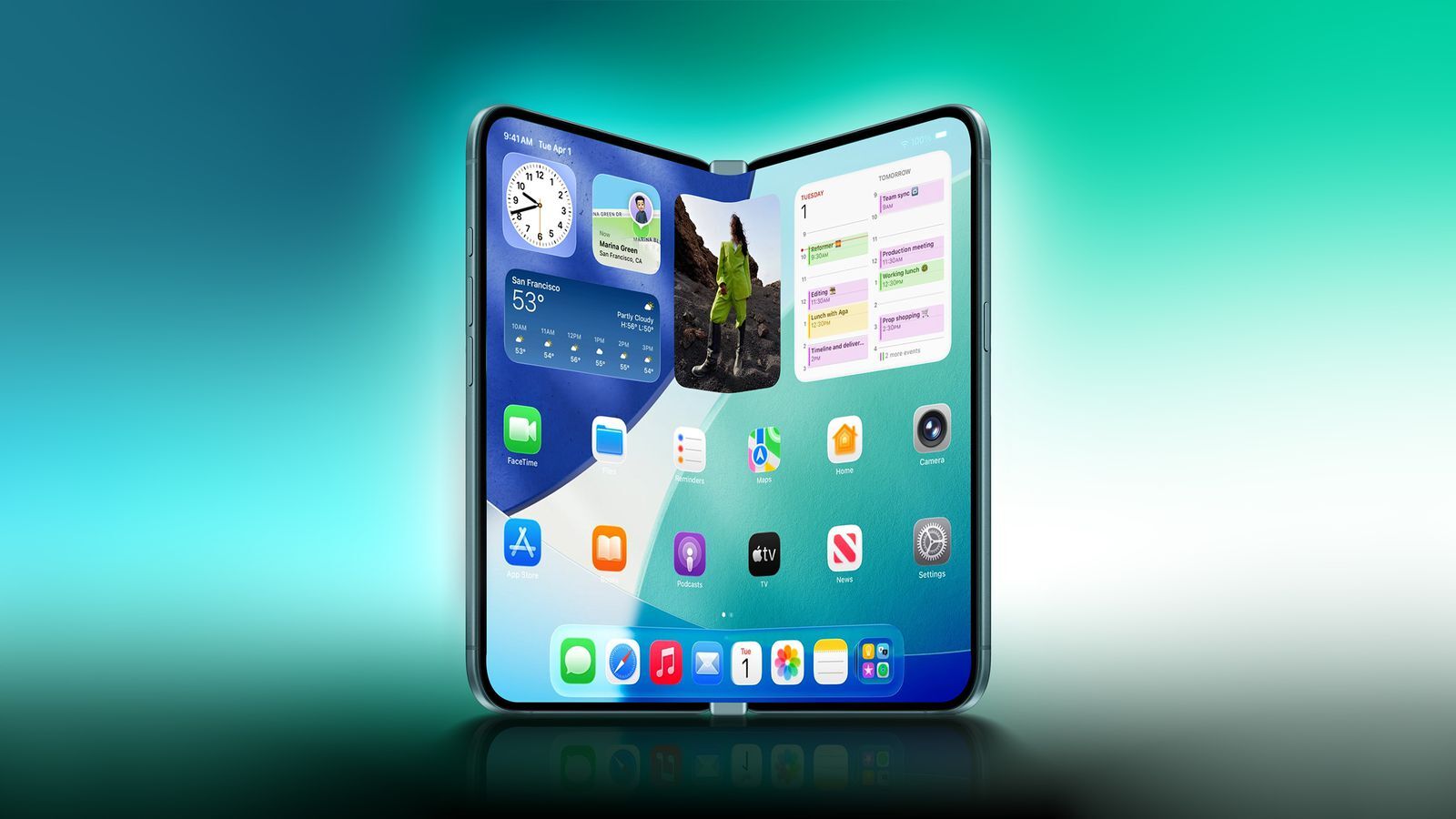
Samsung Display is also expected to supply Apple with OLED panels built on its M16 material system — the Korean manufacturer’s latest-generation organic material set designed for flagship smartphones. M16 delivers improvements across the board: higher brightness, better color accuracy, longer lifespan, and superior energy efficiency compared to previous generations.
Apple’s first foldable iPhone is widely expected to make its debut as early as September, with industry consensus pointing to a launch no later than the end of the year. However, the final release timeline still hinges on whether certain components can hit mass production on schedule — and the hinge, in particular, is proving to be a critical bottleneck.
The hinge directly governs everything from opening and closing feel to crease depth and long-term durability, making it one of the most challenging components in any foldable device. Apple is reportedly adopting a 3D-printing approach to manufacture the hinge module, but industry insiders have flagged a persistent issue: abnormal noise emanating from the hinge after assembly. Mass production stability for the hinge module remains a challenge, and should progress fall behind expectations, the new device could see a delay of two weeks to a month. Samsung’s side of the equation is said to be “no problem,” placing the focus squarely on Apple’s remaining component readiness.