Samsung Reportedly Halts 8-Hi HBM3E Production, Splits Capacity Between 12-Hi HBM3E and HBM4
Samsung Electronics has temporarily halted production of its 8-hi (eight-layer stacked) HBM3E memory, redirecting manufacturing capacity toward the higher-demand 12-hi HBM3E and next-generation HBM4 products, according to a report by South Korea’s Chosun Ilbo.
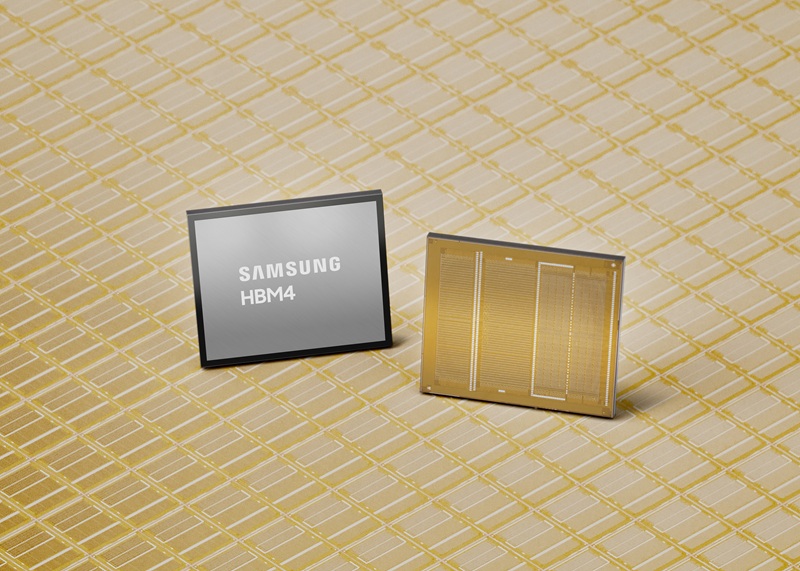
The report indicates that Samsung has internally allocated a monthly capacity of 150,000 wafers for HBM front-end DRAM production, with 12-hi HBM3E and HBM4 each claiming roughly half. The 12-hi HBM3E serves as Samsung’s current HBM shipment workhorse, while HBM4 is positioned to serve next-generation AI accelerators, including NVIDIA’s already-mass-produced Rubin GPU.
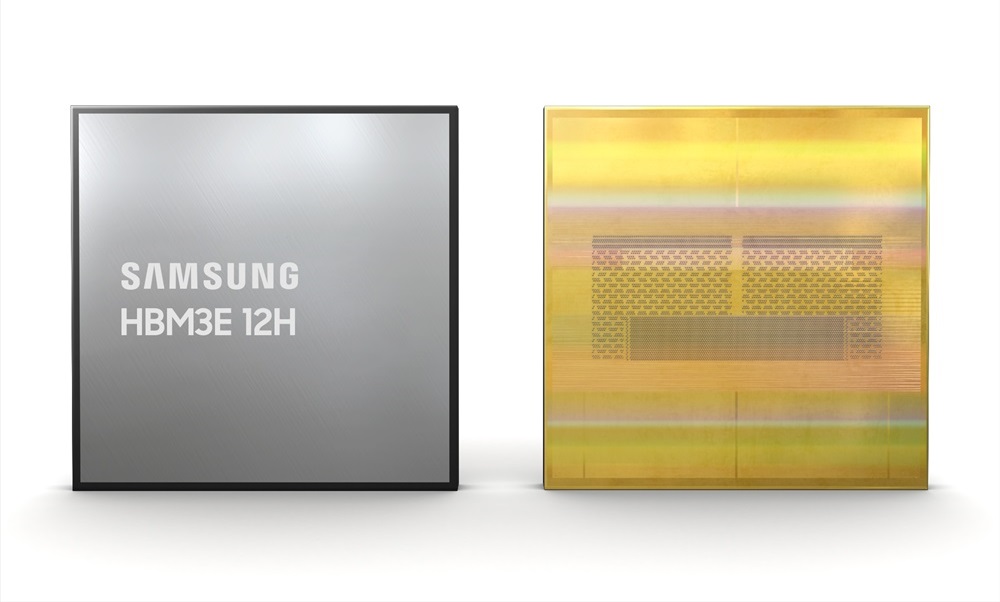
The strategic pivot comes as Samsung seeks to regain its footing in the high-bandwidth memory market. After stumbling during the HBM3 and HBM3E generations, the company has mounted an aggressive comeback with HBM4, becoming the first in the industry to achieve mass production of the new standard. Meanwhile, rivals SK Hynix and Micron hold substantial backlogs of HBM3E orders still awaiting fulfillment, giving them greater flexibility in how they reallocate their own production capacity — a luxury Samsung, keen to close the gap, does not quite enjoy.