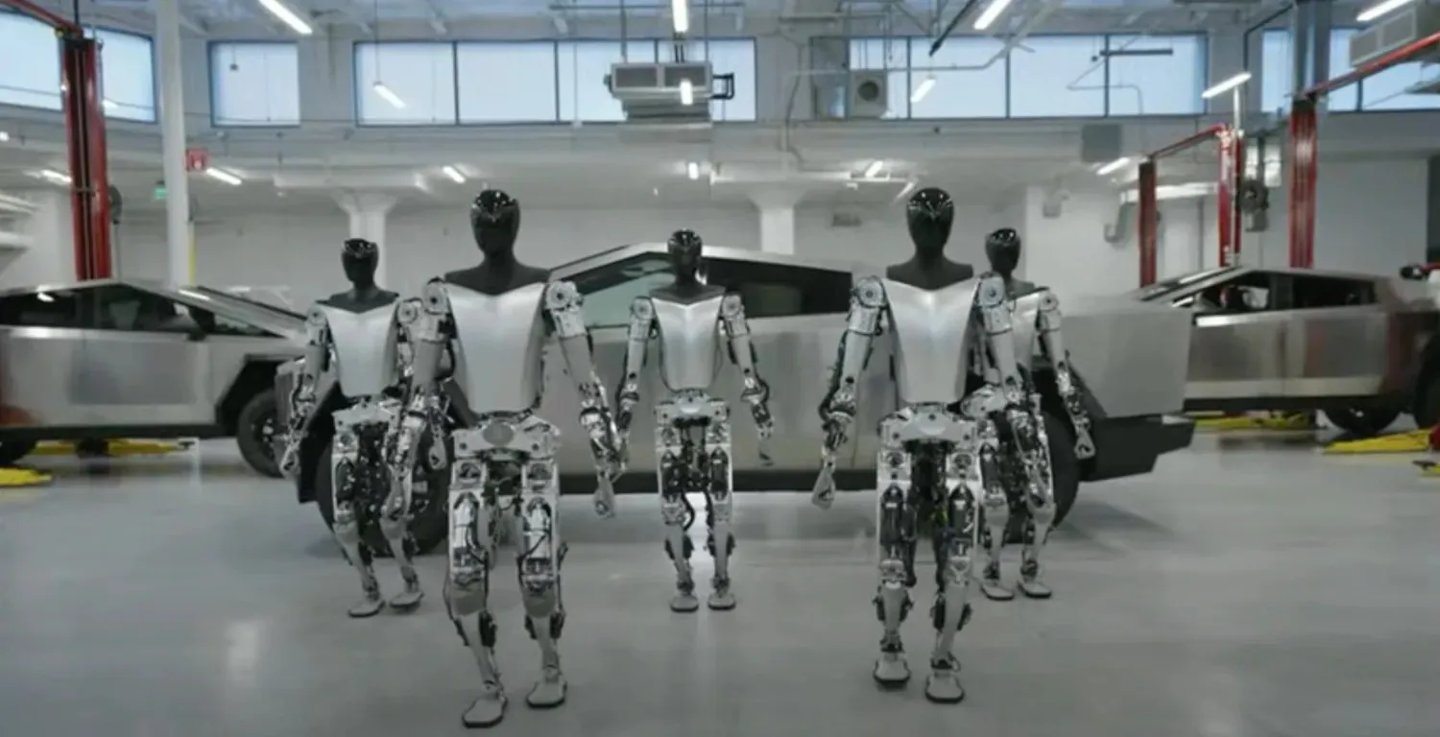
Tesla's Optimus Gen 3 Is Finally Production-Ready — and Musk Has a 1,000-Unit-a-Week Ultimatum
After more than three years of development, Tesla’s Optimus humanoid robot is finally moving out of the lab and into the factory. Multiple supply chain sources told LatePost that the company has issued specific component procurement guidelines to suppliers — a clear signal that the Gen 3 design has been locked down.
The targets are ambitious: suppliers are being asked to ramp capacity to 1,000 units per week by September, then scale to 2,000–2,500 per week by the end of the year. Two people familiar with the supply chain said Tesla typically places orders about two months in advance, and suppliers are already seeing firm orders for several hundred units in August. At that trajectory, Tesla’s supply base would be capable of delivering components for roughly 100,000 Optimus units annually by year’s end.
The design freeze happened at a late-June executive review. Elon Musk walked through the latest version of Optimus and signed off, effectively greenlighting the Gen 3 for mass production. According to supply chain sources, Musk made one thing clear at that meeting: if the production targets aren’t met by December, he’ll replace the entire Optimus procurement team.
The threat — blunt even by Musk’s standards — is sending a jolt through the supply chain. More than any order forecast or guidance document, it signals that Tesla is deadly serious about humanoid robot production.
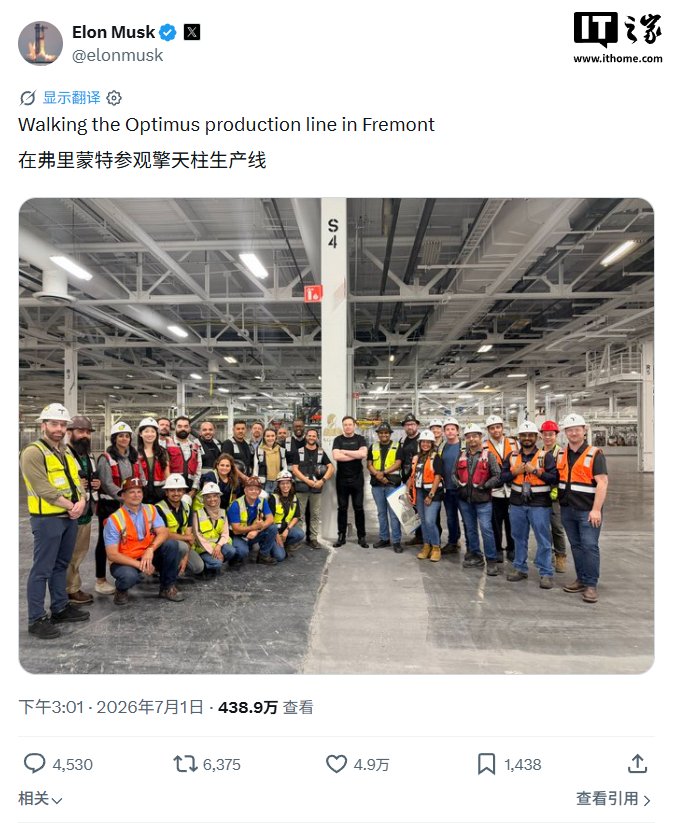
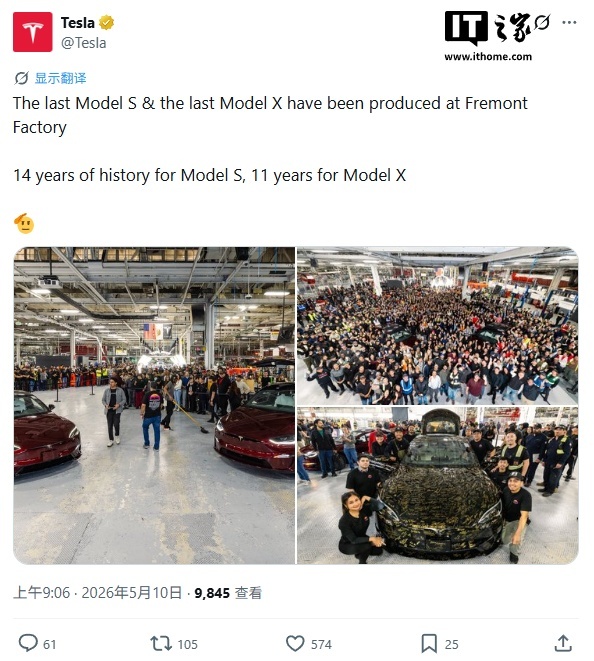
On July 1, Musk posted a group photo of the team at the Fremont factory, where Optimus production is being set up. The facility, which once built the Model S and Model X, produced its last units of those vehicles in May and has since been converted into a humanoid robot assembly line.
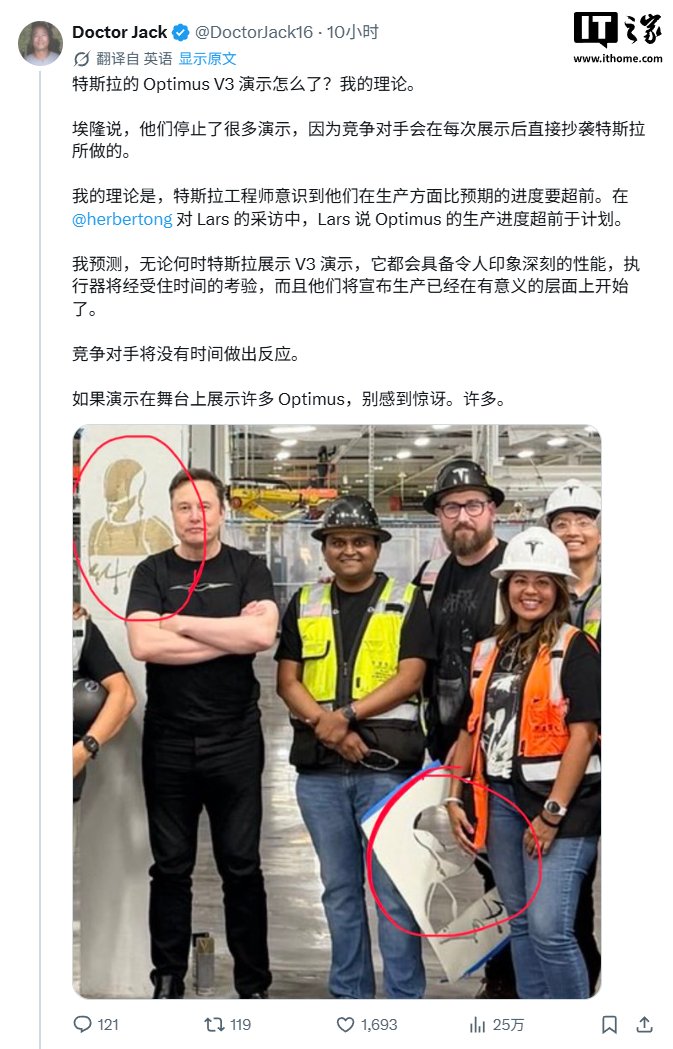
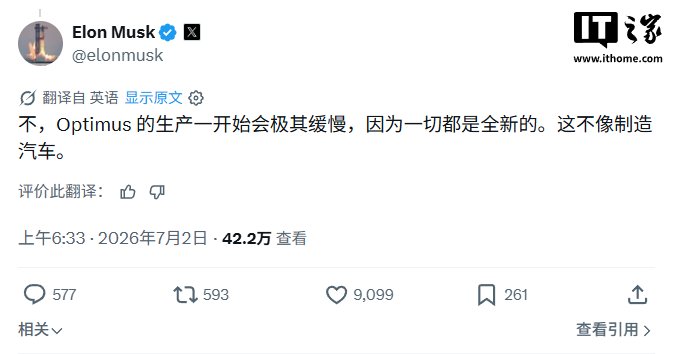
The transition hasn’t been entirely smooth. Some observers noticed that Tesla has scaled back public demonstrations of Optimus recently, sparking speculation that actual production progress has outpaced expectations. Musk pushed back on that reading. “No, Optimus production will start extremely slowly because everything is new,” he said in response to one such theory. “It’s not like building a car.”
During Tesla’s Q1 2026 earnings call in April, Musk confirmed that Optimus production would begin in late July or August at Fremont. But he was careful to temper expectations. The robot uses roughly 10,000 unique components, and the production line is entirely new — there’s no existing playbook to follow. “It’s fundamentally impossible to predict” how quickly output will ramp this year, he said at the time.
Still, Musk has been bullish on the Gen 3’s capabilities. In March, he called it “the most advanced robot in the world,” claiming he hadn’t seen any demo that rivals it. He said low-volume production could begin in summer 2026, with high-volume output slated for 2027.
Whether the procurement team keeps their jobs comes down to how fast those 10,000 custom parts can flow through a supply chain that’s being built from scratch. The suppliers now have a deadline and a very personal incentive to deliver.