Volkswagen is killing off 10 of its cars — including the Jetta and the Taycan
Volkswagen’s cost-cutting drive just got a lot more specific. The German automaker, already planning to cut up to 100,000 jobs and close four factories by 2030, now has a target list of models it intends to kill off — and the casualties include some of its most recognizable nameplates.
The list, reported by German newspaper Bild and confirmed by supply chain sources, spans at least ten models across the group’s brands. Volkswagen’s own Jetta sedan — one of the company’s best-selling nameplates for decades — is getting the axe, along with the Taos SUV, its compact crossover for the North American market. The decision reflects a broader shift: buyers have moved on from sedans, and VW doesn’t see the point of keeping a shrinking segment on life support.
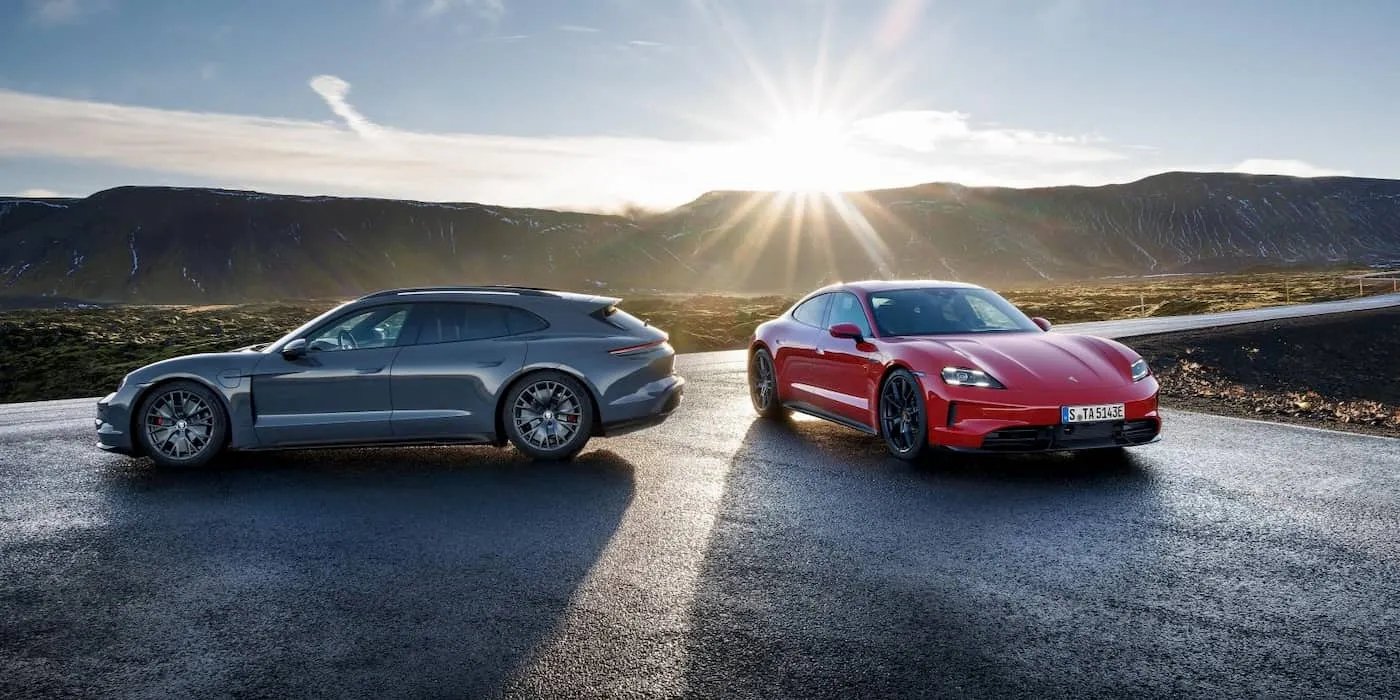
Porsche is taking the biggest hit. The company will stop developing a new generation of the gasoline-powered 718 Boxster and Cayman, effectively ending the entry-level mid-engine sports car lineup that has been a Porsche staple since the late 1990s. More strikingly, the Taycan — Porsche’s first fully electric car and a genuine sales success — is also being phased out with no direct successor planned. That’s a bold move for a model that helped define the modern EV sedan.
Audi’s Sportback variants are also on the chopping block. The Q5 Sportback and the electric Q6 e-tron Sportback will be discontinued, as the group consolidates its SUV portfolio around more standard body styles.
Volkswagen’s own ID.5, the coupe-style sibling of the ID.4 electric SUV, is likely to go as well. Further down the portfolio, the Skoda Fabia and the Cupra Raval — a small EV that was supposed to be the brand’s entry-level model — may not make it to production either.
What’s happening here is not just pruning. VW Group is radically shrinking its product lineup as part of a company-wide restructuring that Bild has called the most aggressive in the automaker’s history. By 2030, the group expects to offer roughly half the number of models it does today. The logic is simple: fewer platforms, fewer variants, fewer factories, fewer people. In an industry where margins on small and mid-size cars have been squeezed paper-thin, building fewer cars — but making more money on each one — is the survival play.
VW has not officially confirmed the reported list. But given the scale of the job cuts and plant closures already announced, nothing on it should come as a surprise.