Xiaomi's first extended-range SUV arrives in August with a roof that lifts
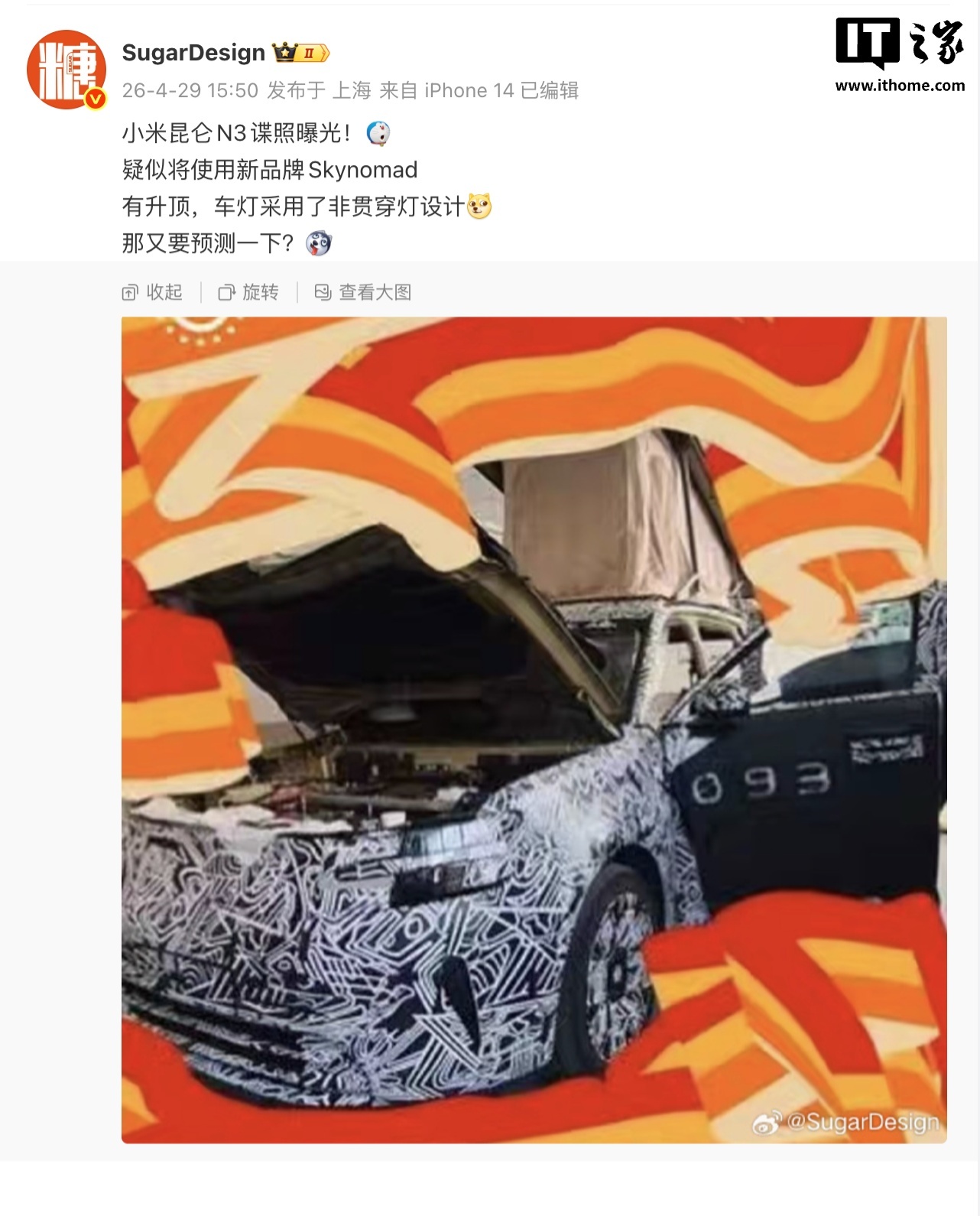
Xiaomi’s third vehicle will be something its first two models are not: an extended-range electric SUV with a roof panel that can rise up to create standing room inside.
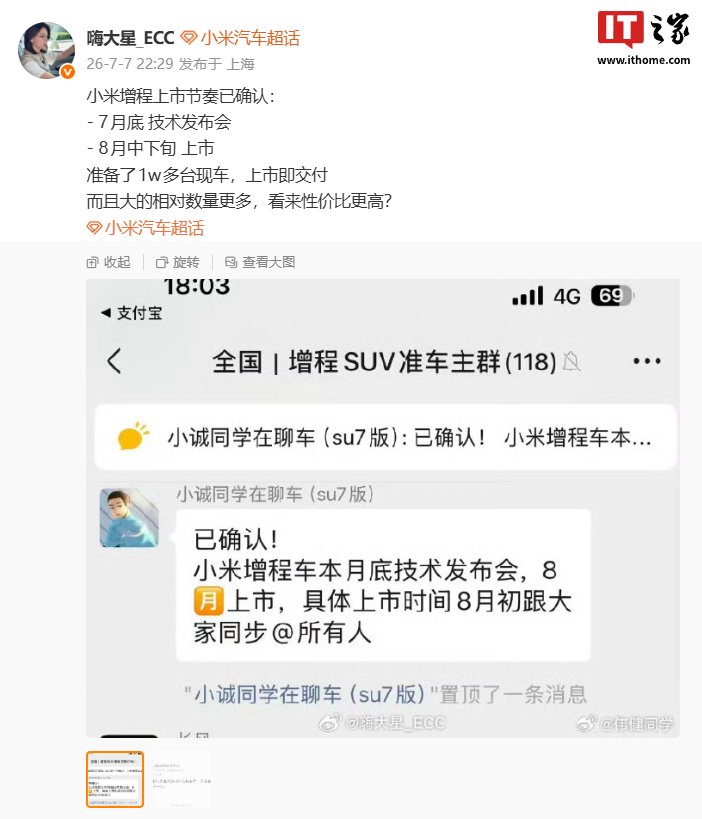
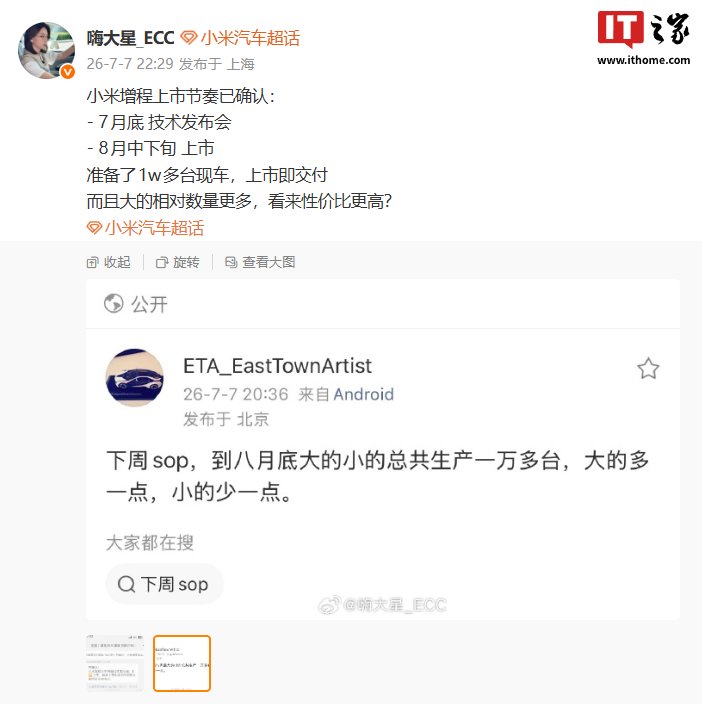
The timeline is set. According to leaker @嗨大星_ECC from the ECC Intelligence Bureau, an automotive sales tracking team, Xiaomi will hold a technology showcase at the end of July, followed by a market launch in mid-to-late August. The company has stockpiled over 10,000 units and plans to hand them over immediately after launch day.
The vehicle first appeared in China’s Ministry of Industry and Information Technology filings on June 10, where Xiaomi’s automotive subsidiary applied to add “extended-range electric passenger vehicle” to its approved production categories. The listed address — Xiaomi’s Beijing factory in the Beijing Economic-Technological Development Area — confirmed the vehicle would be built on home turf.
Industry sources say the SUV carries the internal codename “Kunlun N3” and will likely launch under a new sub-brand called SKYNOMAD (寻天), positioned separately from Xiaomi’s main car lineup. A second-half 2026 release has long been expected.
Spy shots reveal a distinctive feature: the roof panel can be raised upward, adding significant headroom inside the cabin. When fully extended, the vehicle could double as a makeshift camper van with enough vertical space to stand inside — a practical touch for outdoor use that sets it apart from the SU7 sedan and the upcoming YU7 crossover.

By adding an extended-range model, Xiaomi follows the same strategy that made Li Auto one of China’s best-selling NEV makers. An extended-range electric vehicle combines a large battery pack with a small gasoline generator that kicks in when the battery runs low. The approach addresses range anxiety while still qualifying for China’s new energy vehicle incentives.
With 10,000 pre-built units waiting and a launch window barely a month away, Xiaomi is betting that the next wave of EV buyers wants what pure battery cars still struggle to offer — the freedom to keep driving when the nearest charger is too far away.