The average EV in China is just 1.8 years old. That's actually good news
There’s a statistic making the rounds in China’s auto industry that sounds alarming on its face: the average new energy vehicle on Chinese roads is just 1.8 years old. It’s the kind of number that feeds the “buy and you’re obsolete” anxiety every EV shopper feels. But Zeng Qinglin, general manager of YiJing Auto, has a more nuanced take — the number says more about how fast the market is growing than how quickly these cars are being abandoned.
Zeng laid out the math in a social media post Monday. China’s EV penetration rate surged from roughly 20% to over 60% in the span of a few years. That means the vast majority of EVs on the road today were sold in the last two or three years. The fleet is young not because owners are dumping their cars, but because most of them haven’t had time to get old. It’s a growth curve problem, not a durability one.
He also pointed out that rapid iteration in early innings is normal for any emerging industry. Smartphones went through the same cycle — think back to how much phones changed between 2010 and 2015. Cars are on a similar trajectory, albeit with longer development cycles. Some parts of the EV stack are already settling: battery tech is getting more reliable, and smart cockpit hardware has reached a point where even mid-range cars feel genuinely responsive.
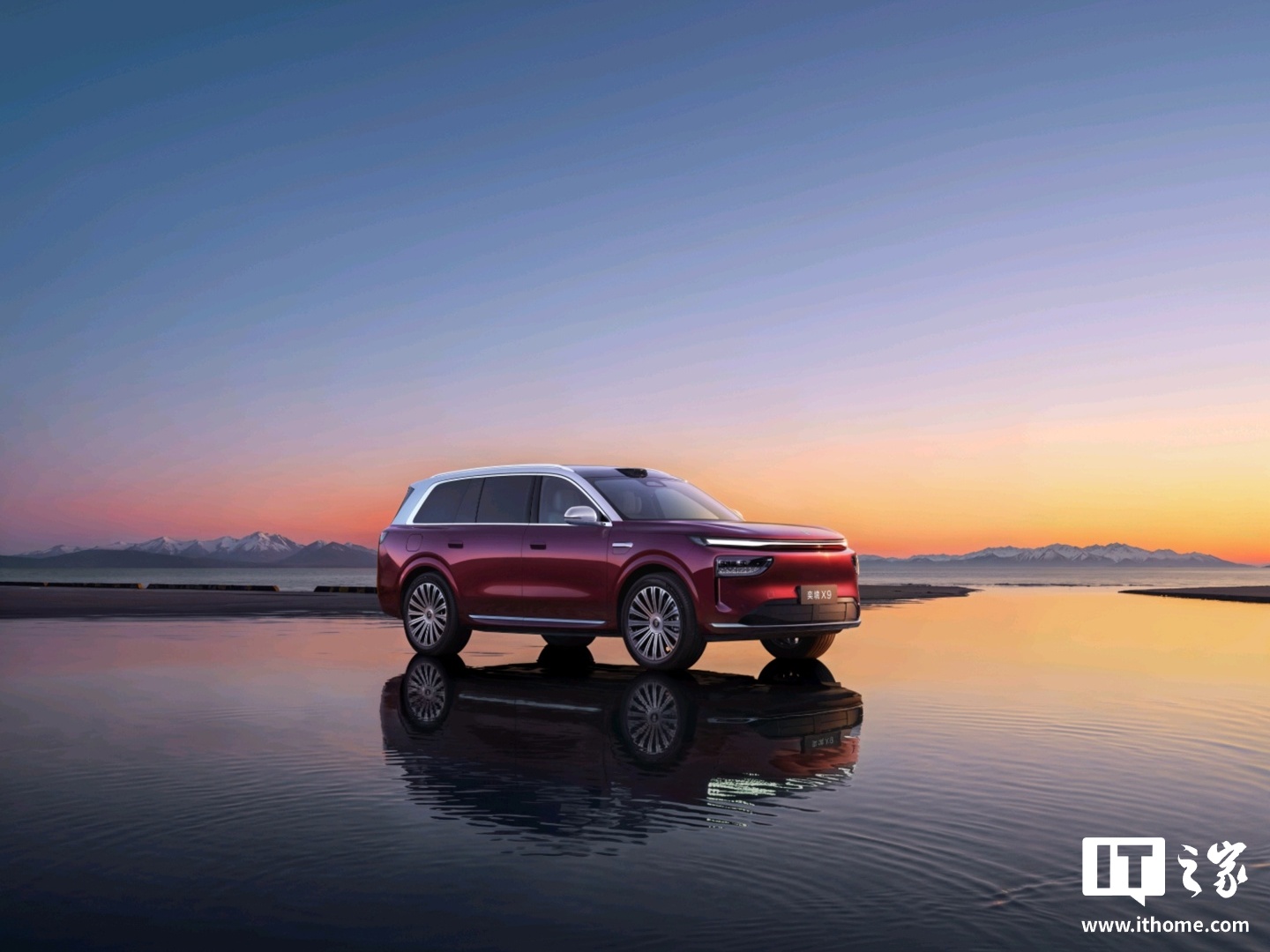
The real question is what buyers should do about the “fear of missing out” loop, where skipping this year’s model means missing next year’s upgrade. Zeng’s suggestion: buy for the future, not just the present. He cited 896-line LiDAR as an example — hardware that’s overkill for today’s driver-assist features but designed for the L3 autonomy standards coming down the pipeline. Pair that kind of forward-looking hardware with frequent OTA software updates, and a car bought today doesn’t have to feel stale two years from now.
The broader picture supports his reasoning. According to data from China’s Ministry of Public Security, the country had 476 million motor vehicles as of June 2026, including 371 million cars. New energy vehicles made up 13.19% of the total vehicle fleet. But the real signal is in new registrations: in the first half of 2026, 5.195 million new energy vehicles were registered, accounting for 49.42% of all new car registrations. Nearly half of every new car sold in China is now an EV.
That stat alone explains the 1.8-year average age better than any theory about short ownership cycles. The market is still in its hyper-growth phase, and the fleet composition reflects that. As penetration plateaus — and it will, eventually — the average age will drift upward naturally alongside the tech curve.
Zeng’s advice is worth taking seriously not because it’s convenient for a car company executive to say, but because it aligns with how technology matures in every industry. The early years are chaotic and every generation feels like a leap. Then the leaps shrink, the standards settle, and a three-year-old car stops feeling like ancient history. China’s EV market isn’t there yet. But it’s getting there.

Related reading from IT-NEWS: China’s Ministry of Public Security reported that as of June 2026, NEVs comprised 13.19% of total vehicle ownership, with 5.195 million new energy vehicles registered in the first half of the year alone — representing 49.42% of all new car registrations. Earlier reporting also clarified that the “1.8 year average” figure has been widely misinterpreted and does not mean owners replace their cars every 1.8 years.